Choosing between Dorado and the San Juan metro can feel like picking a lane for your entire family’s routine. You want the right mix of schools, commute, healthcare, and lifestyle, plus a plan that aligns with your Act 60 timeline. In this guide, you’ll learn how each area supports family life, where the tradeoffs show up, and which questions to ask before you commit. Let’s dive in.
Act 60 basics for families
Act 60 can improve after‑tax outcomes on certain types of income, which may help you cover higher local expenses like tuition or resort‑area housing. To qualify and keep benefits, you must meet residency tests such as physical presence and closer connection. Plan your calendar, documents, and move timing with a Puerto Rico tax attorney familiar with Act 60.
Application and decree timing can affect your first tax year as residents. Coordinate school enrollment, lease or purchase dates, and utility setup with your residency plan. Remember that Act 60 does not reduce local costs such as property taxes, homeowner insurance, or sales tax. Build a cash‑flow model that compares expected tax benefits against increased expenses for housing, tuition, transportation, and insurance.
Commute and transportation
Dorado sits west of the San Juan metro. Most regional trips run along PR‑22, a toll expressway that is efficient outside peak hours but slows during morning and evening rush. Living in Dorado usually means car‑based school drop‑offs and regular toll and fuel expenses.
In the San Juan metro, many families live closer to job centers in San Juan, Guaynabo, Miramar, Santurce, or Hato Rey. Walkable pockets and shorter school commutes are more common here than in Dorado, though most families still rely on cars. Public transit options exist in parts of the metro, but coverage is limited for typical school and activity routes.
School commute tradeoffs
- Dorado: You may find local private or public options within a short drive, but some families commute into the metro for specialized bilingual programs.
- San Juan metro: There is a greater cluster of schools, which can reduce drive times, though city traffic and school zone congestion still require planning.
Schools and enrollment
Puerto Rico offers three main paths: public schools, autonomous or charter models in some areas, and a wide range of private schools. Most public instruction is Spanish‑dominant. Many relocating families seeking English immersion or international curricula choose private bilingual schools.
The San Juan metro has more variety and a higher concentration of schools, including bilingual and specialized programs. Seats in high‑demand private schools are competitive, and timing matters. Dorado has fewer private bilingual options within the municipality, so some families choose nearby schools or commute into the metro for specific curricula.
Enrollment calendars and seat availability vary. For private schools, it is wise to contact admissions well ahead of your move, especially if you are targeting high‑demand programs or seeking mid‑year placement. Plan for added costs such as uniforms, extracurriculars, transportation, and materials. If you need special education supports or access to therapies, evaluate services near your preferred neighborhoods and consider proximity to pediatric specialists in the metro.
Housing and neighborhoods
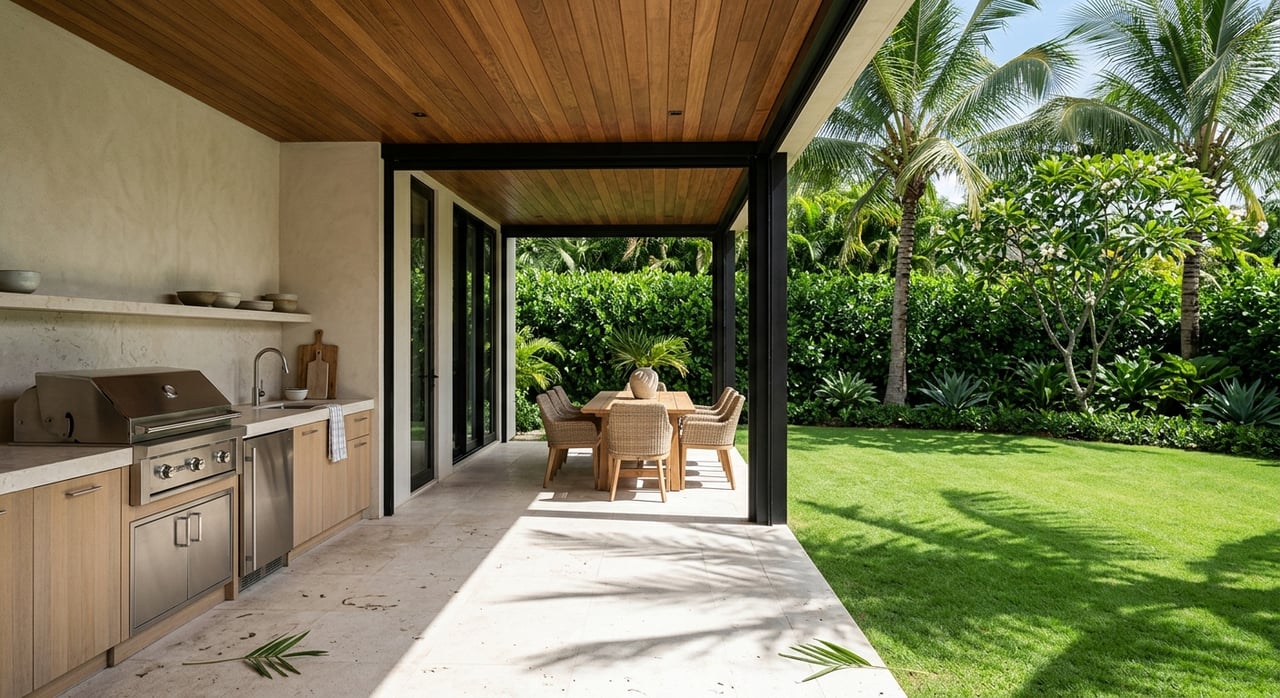
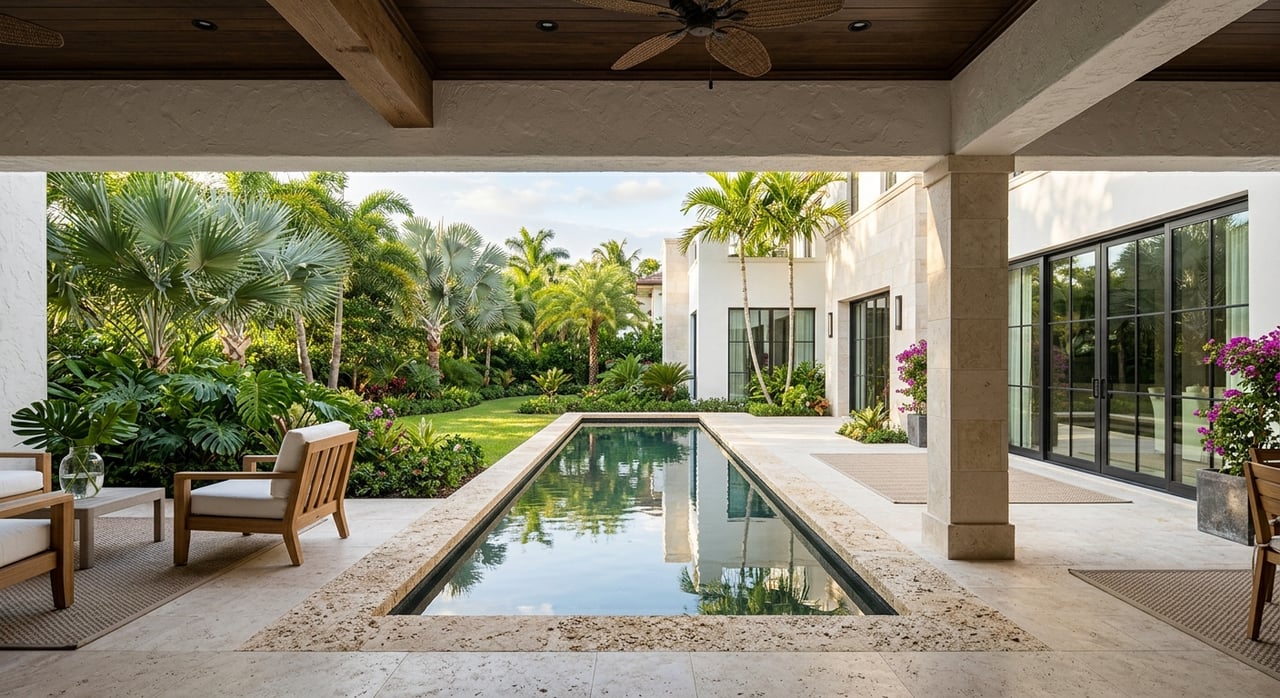
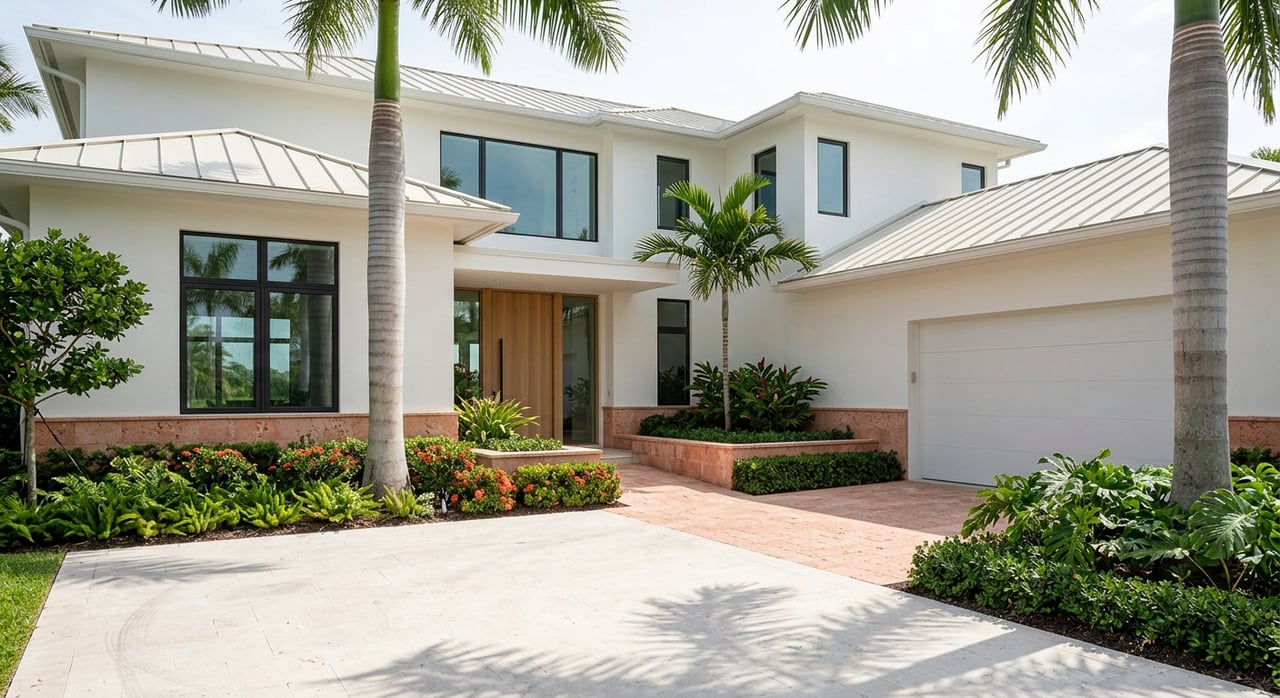
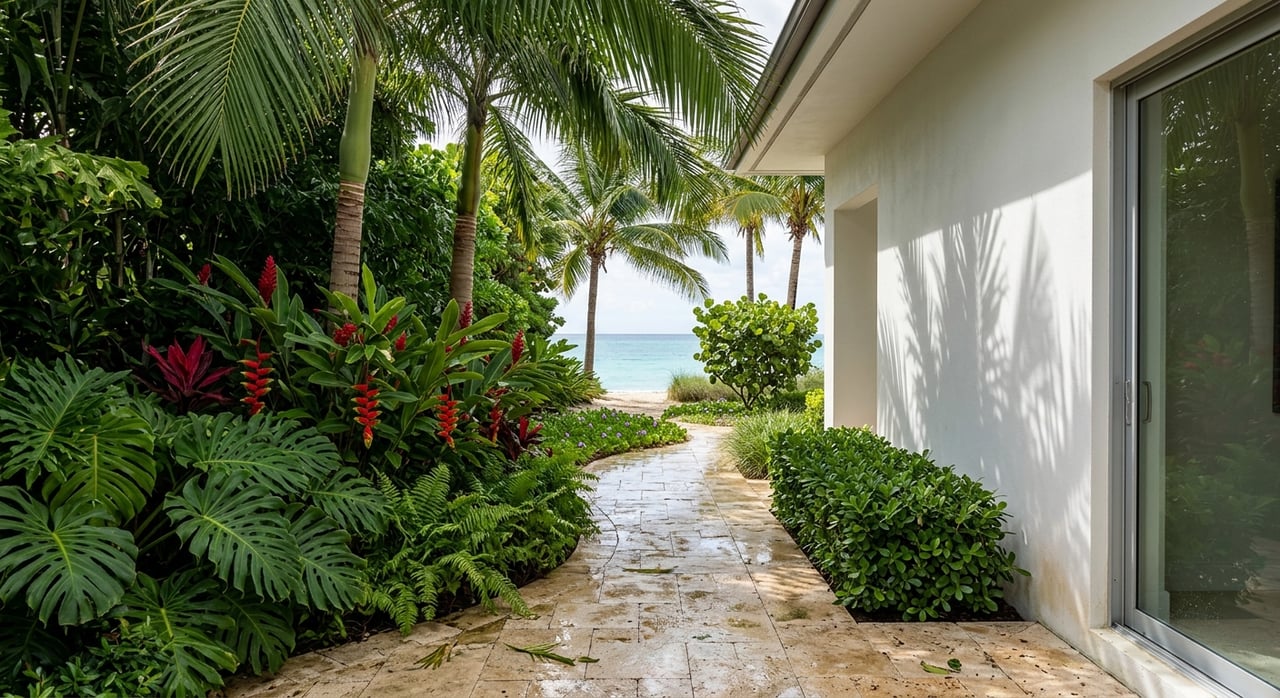
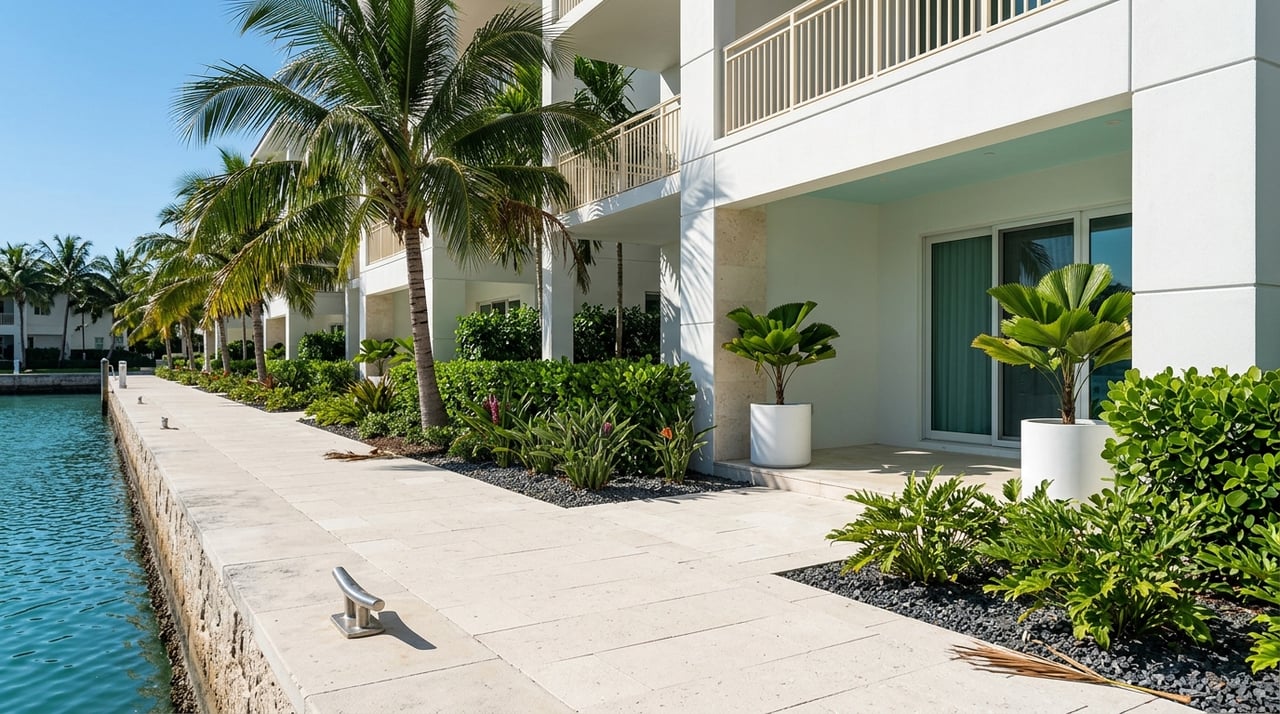
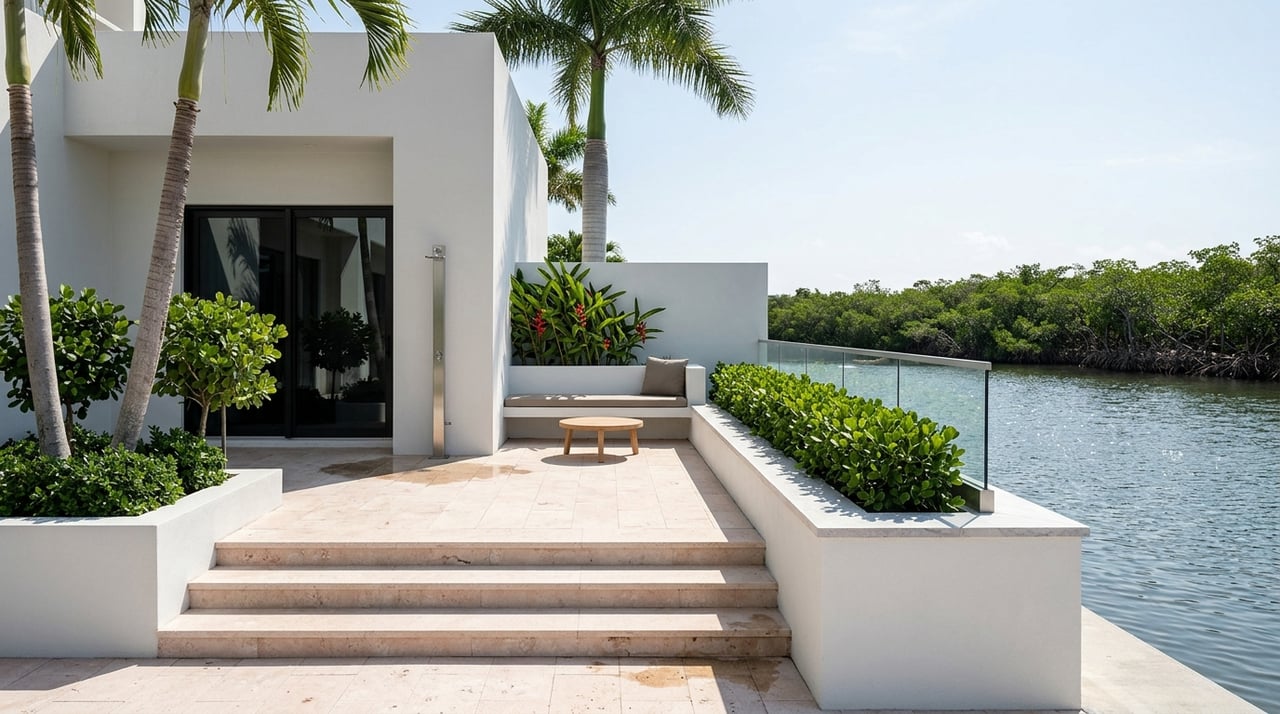
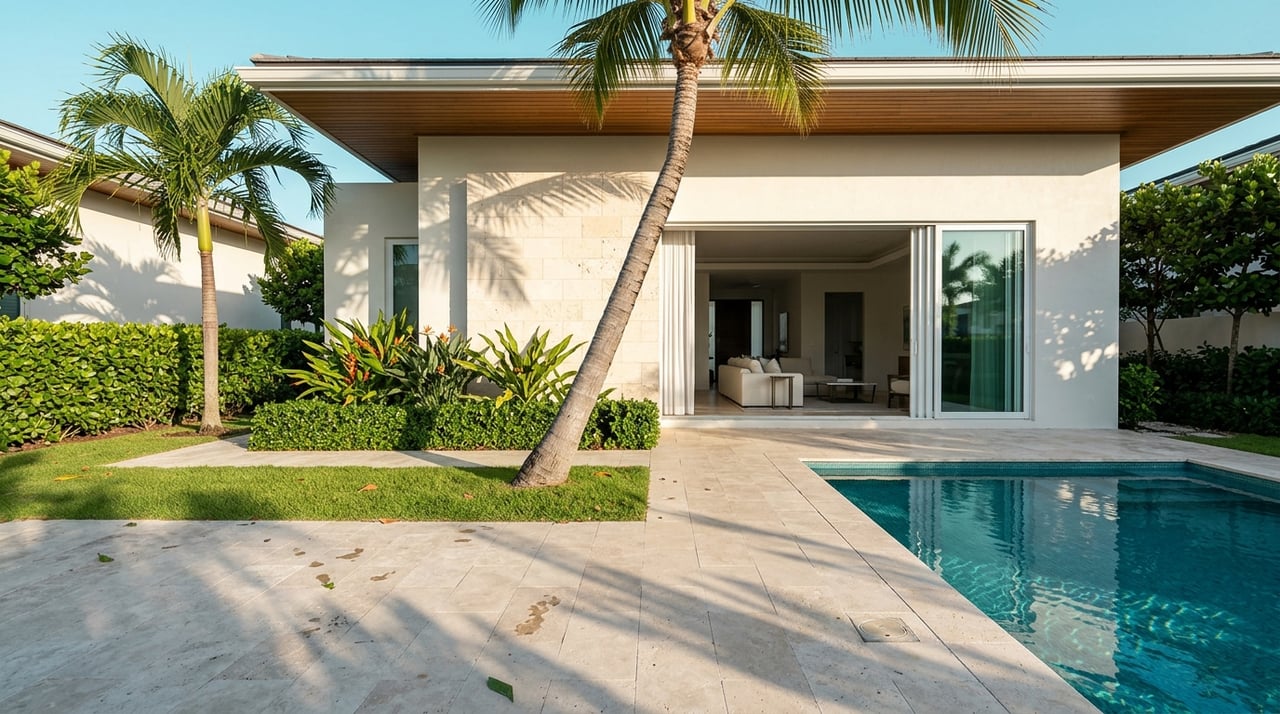
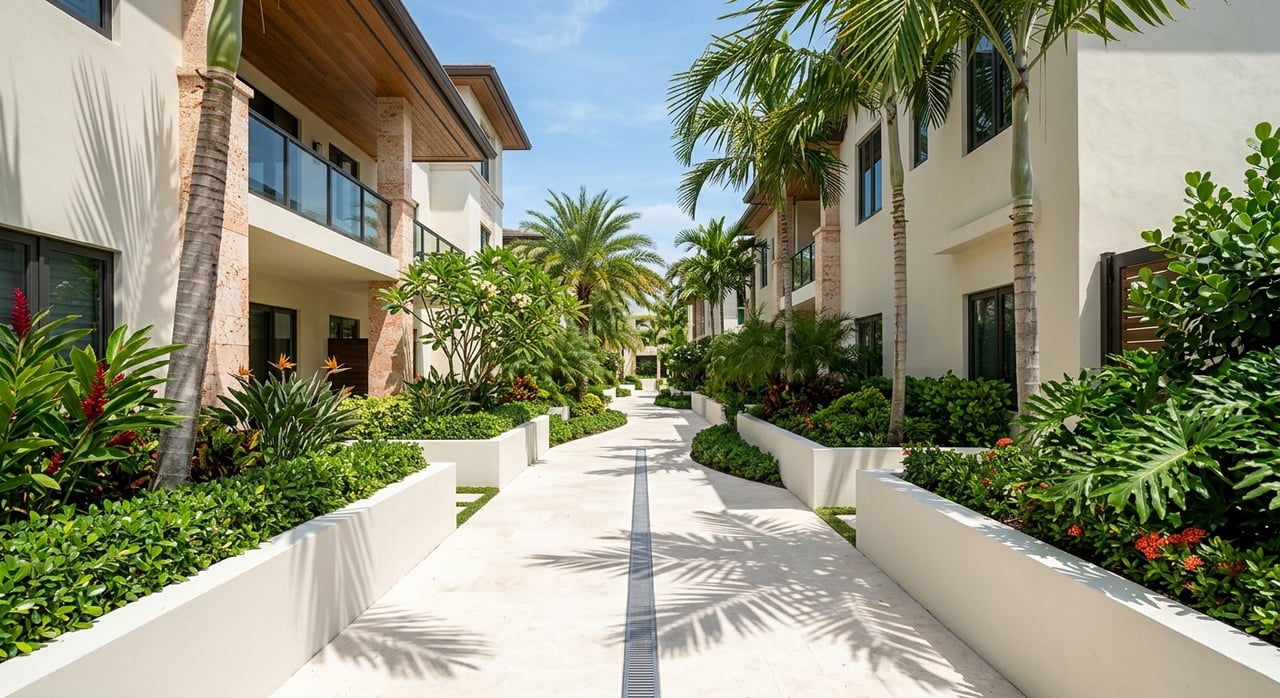
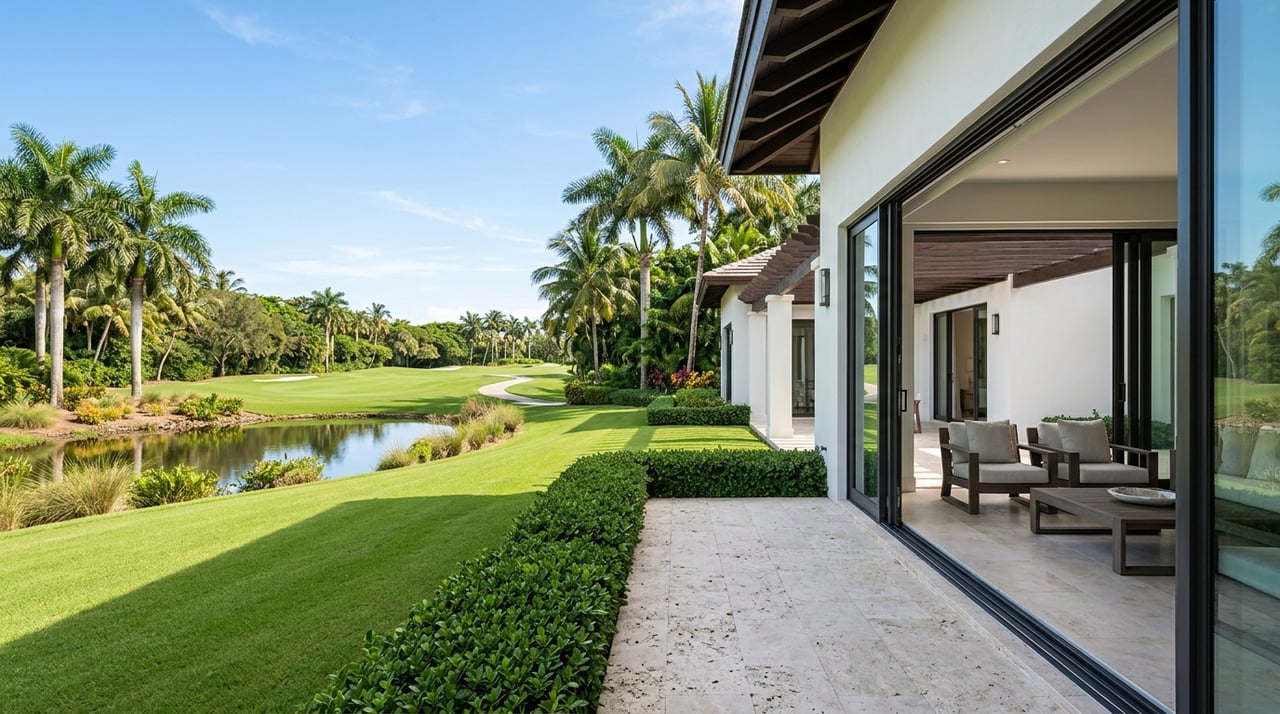
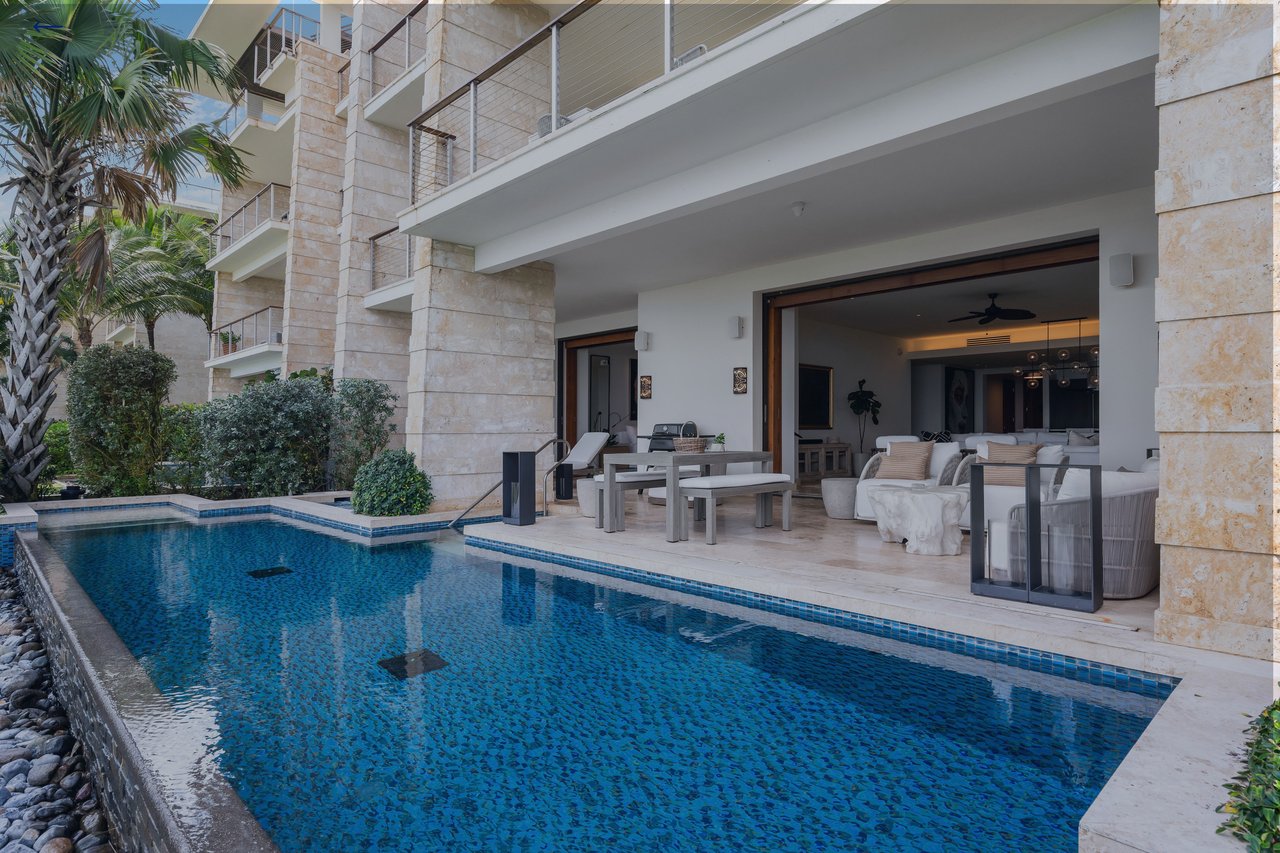
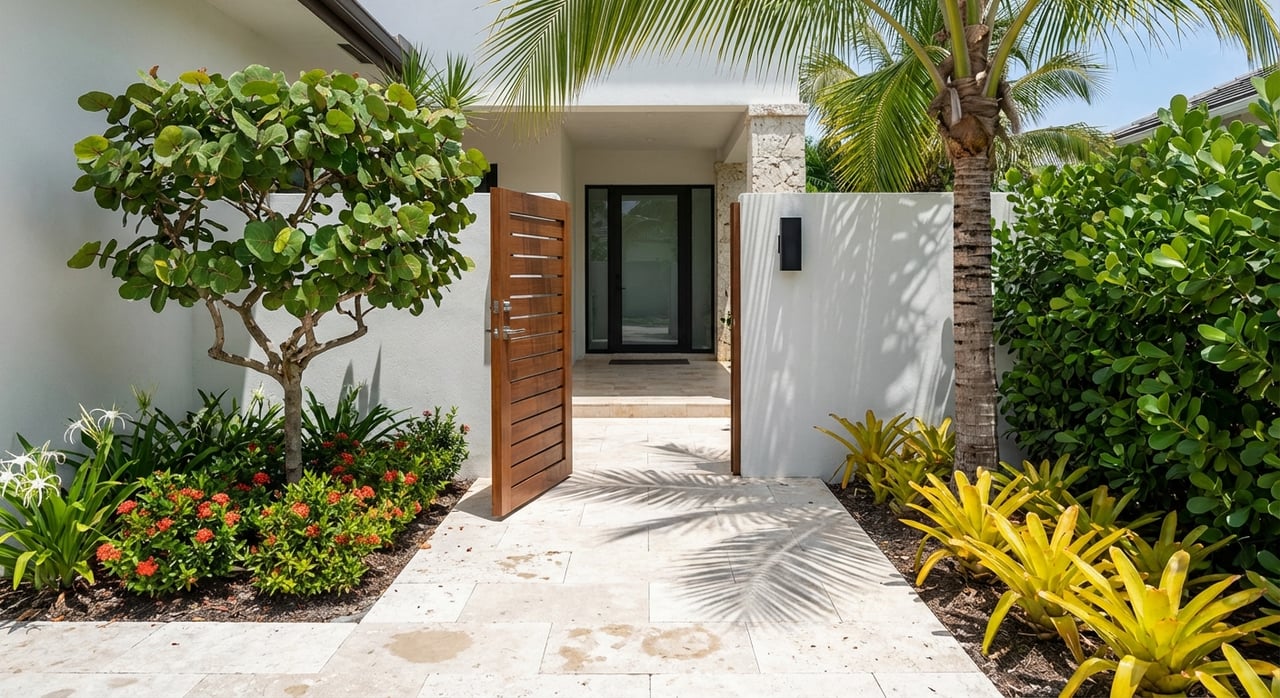
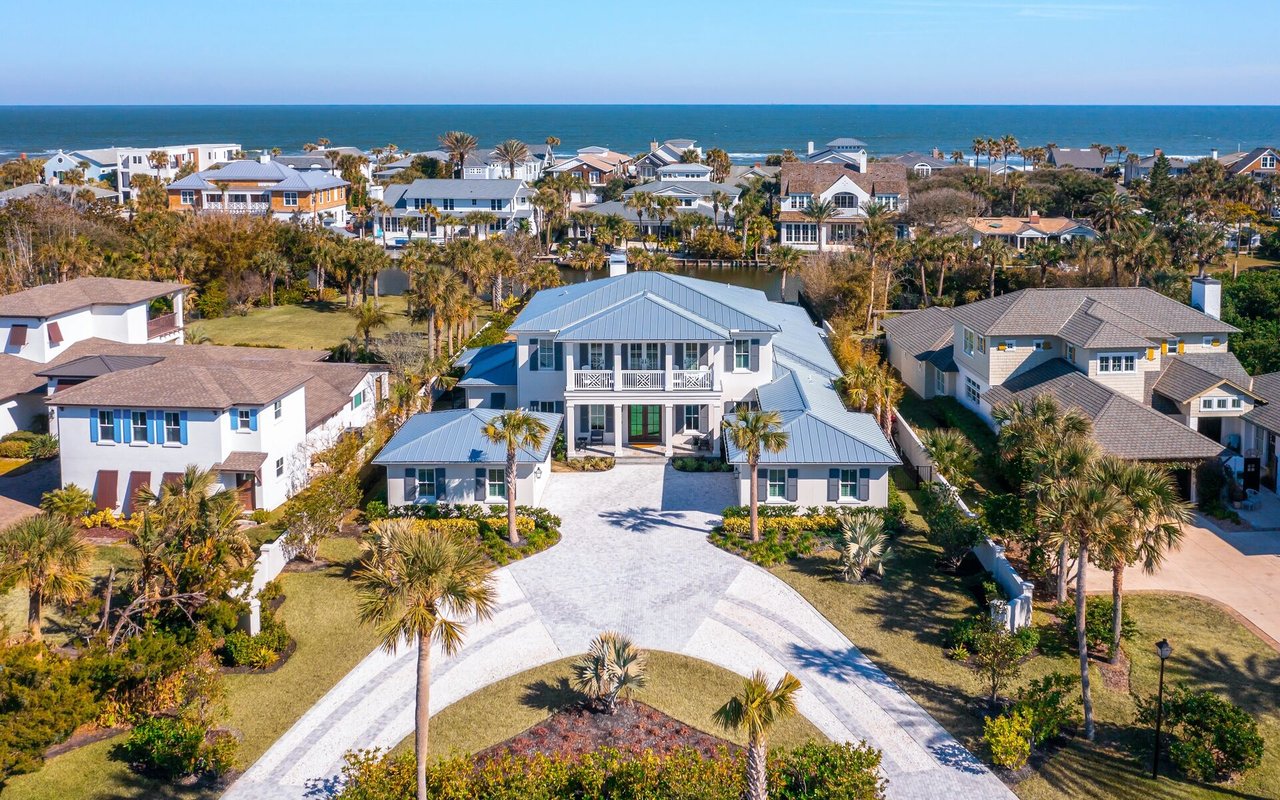
Dorado is known for resort‑style, coastal communities with gated enclaves, single‑family homes, townhouses, and beachfront condos. Planned neighborhoods often include amenities such as pools, golf, beach access, and community centers. The setting is lower density and quieter, which many families appreciate.
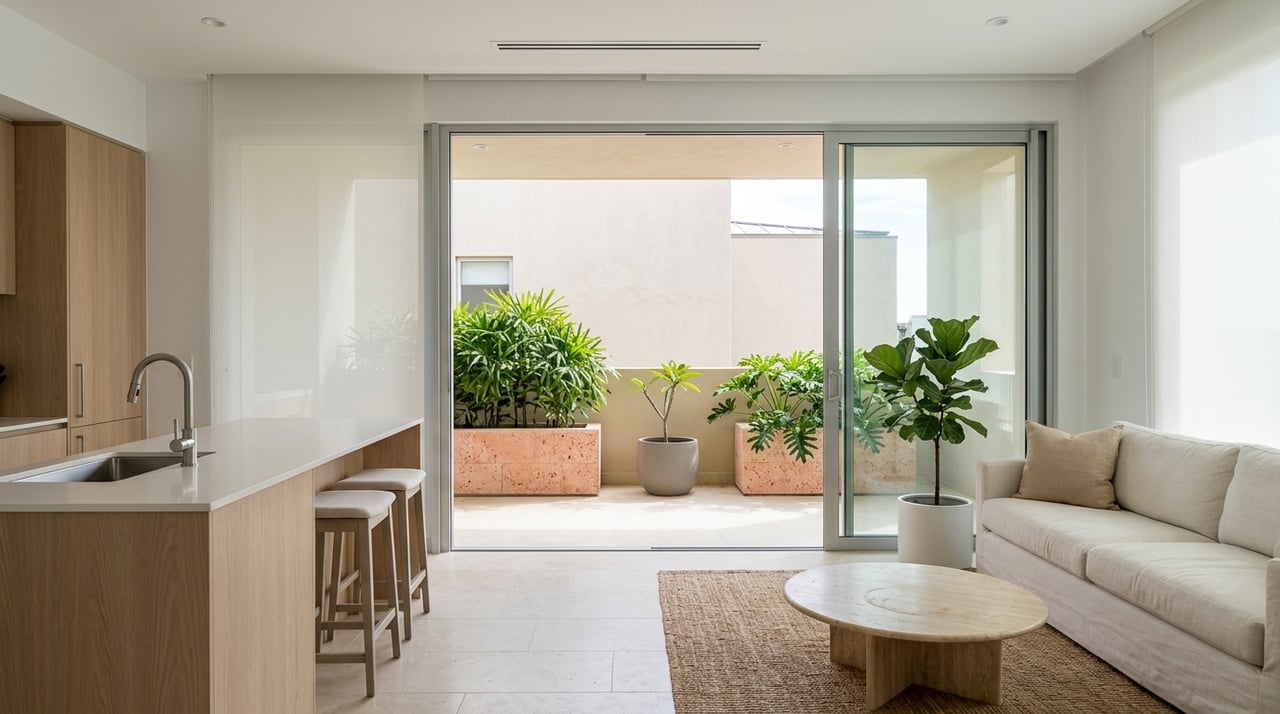
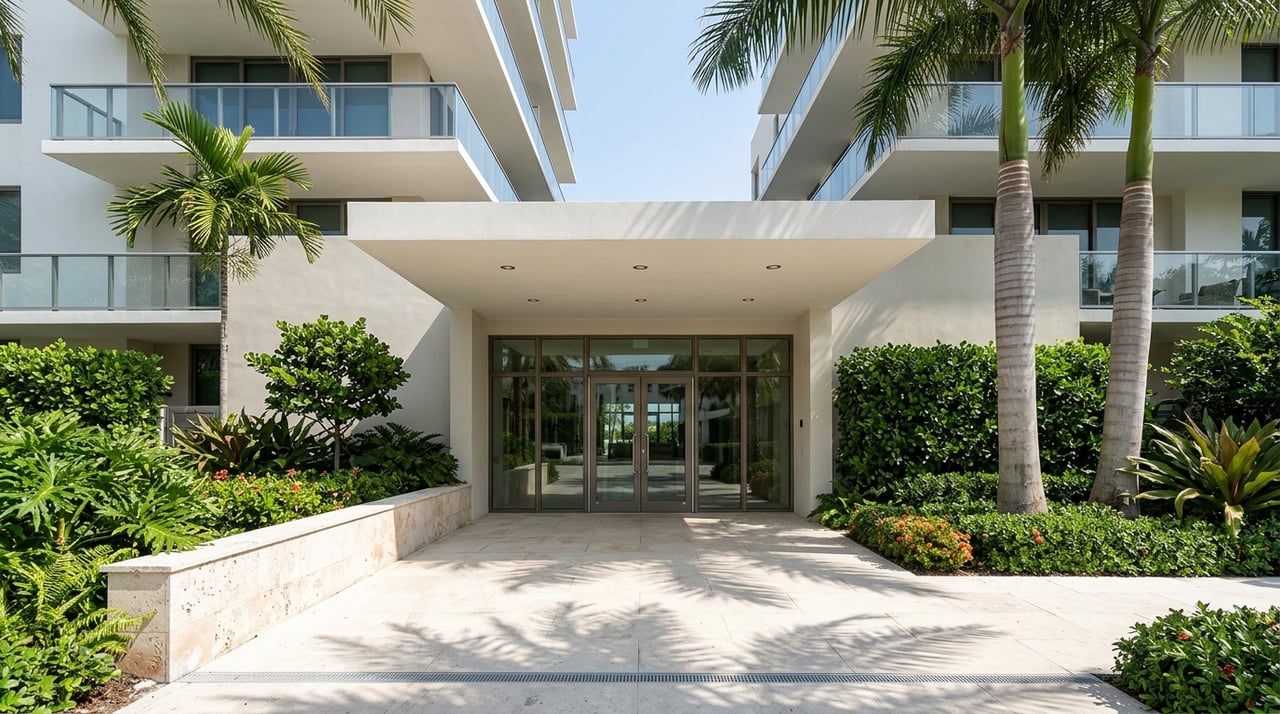
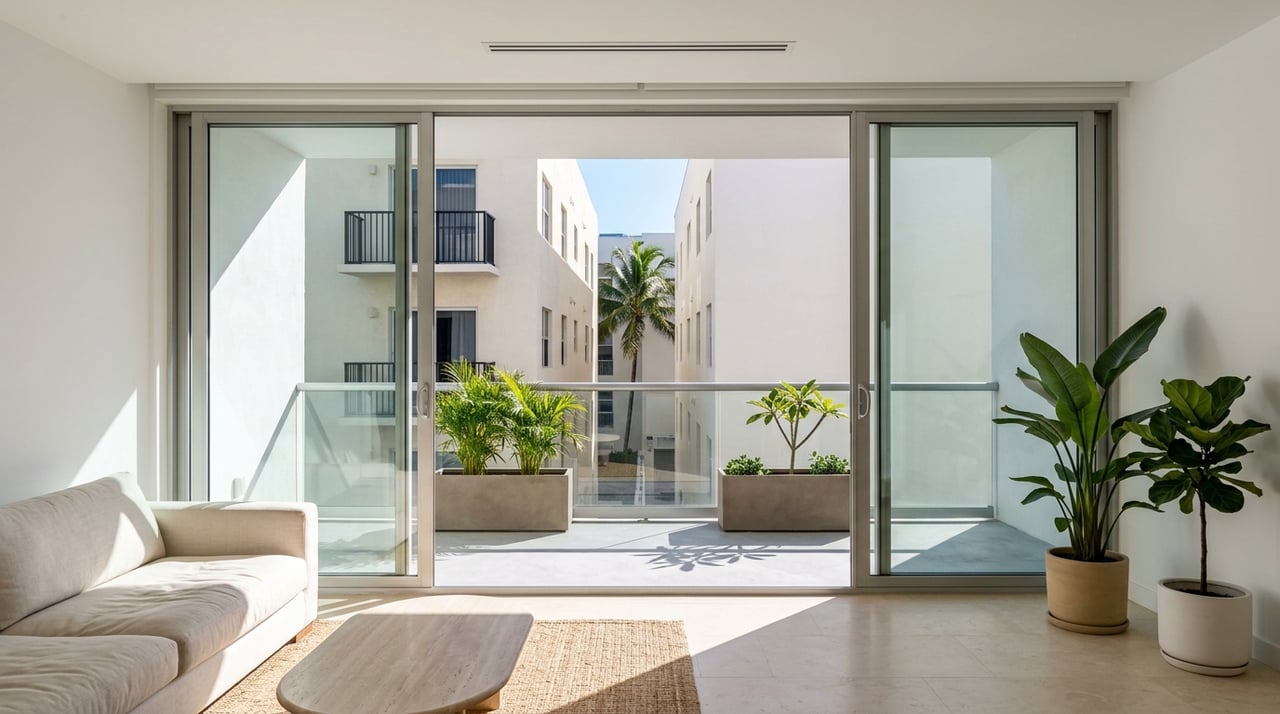
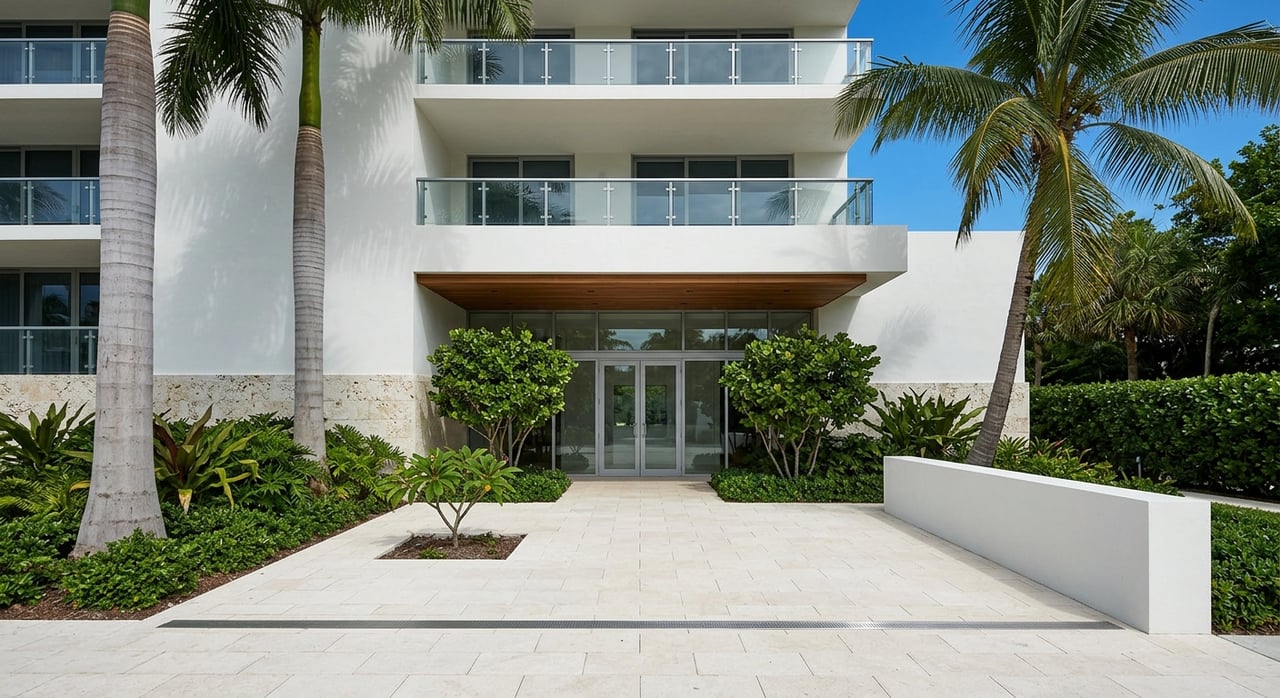
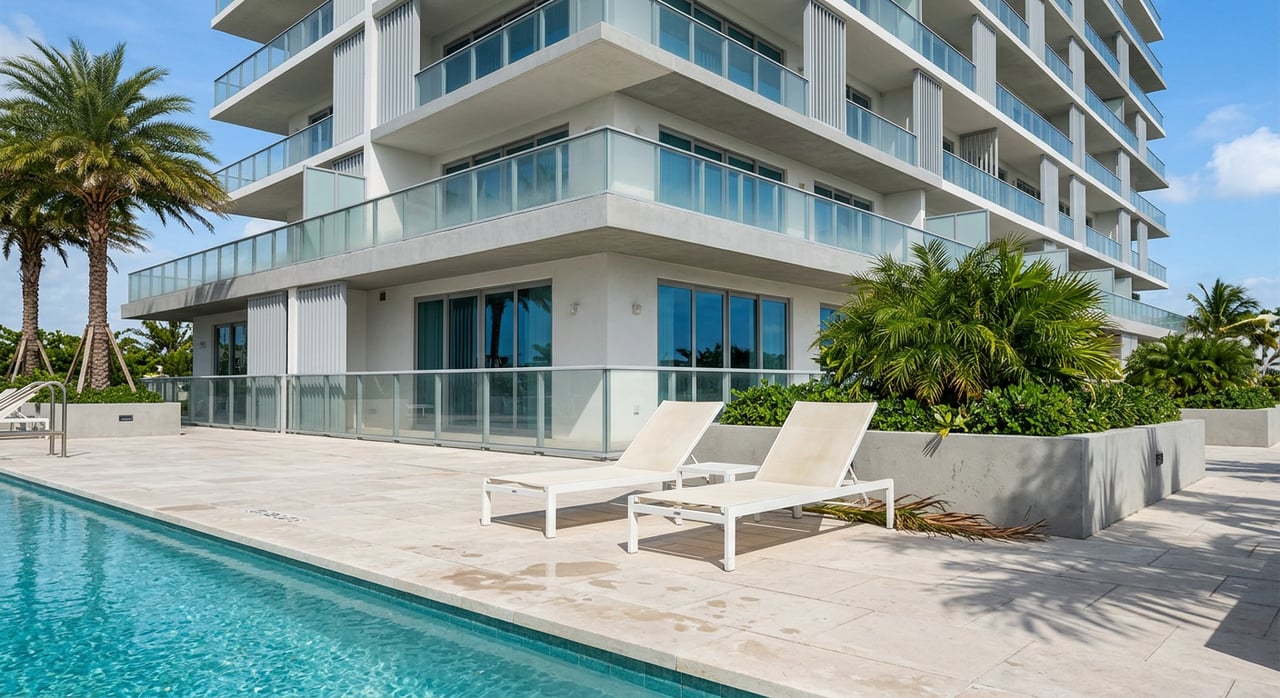
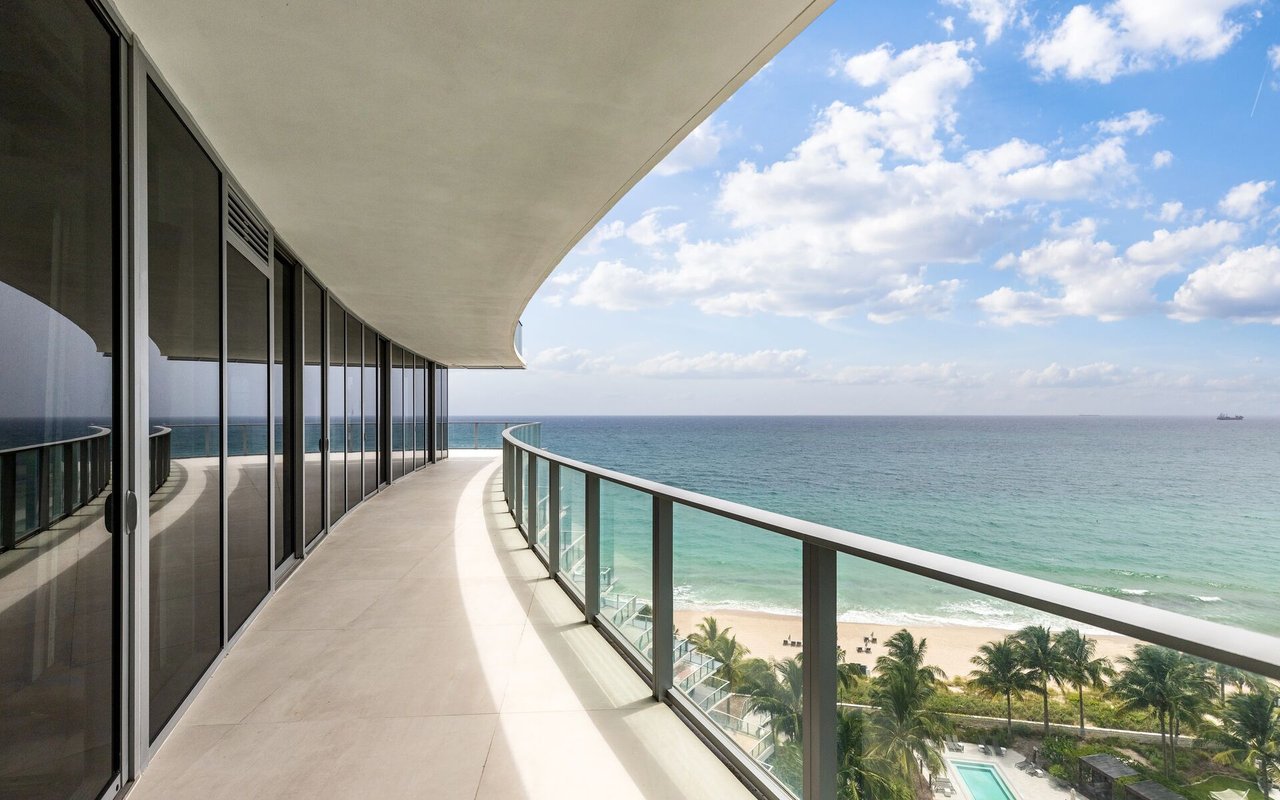
The San Juan metro offers a wider range of options. You can find urban condos and apartments in Condado, Santurce, and Old San Juan, along with suburban single‑family homes in areas like Guaynabo and the edges of Río Piedras. Walkability and proximity to services are stronger in select metro neighborhoods. Condos typically reduce maintenance, while single‑family homes offer more private outdoor space.
Disaster risk and insurance
Both areas face hurricane exposure. Coastal Dorado homes near the shoreline can carry higher flood and wind risk. Inland San Juan neighborhoods may have lower flood exposure. Before you choose, review FEMA flood maps and gather quotes for homeowner, wind, and flood coverage. Factor shutters, backup power, and preparedness items into your plan.
Healthcare and daily services
The San Juan metro concentrates major hospitals, specialist clinics, and pediatric care. Families who expect frequent specialty appointments often value being near these providers. Dorado has local clinics and urgent care, but most tertiary and specialized pediatric services are in the metro. Consider drive times for regular checkups, therapies, or emergencies.
Safety varies by neighborhood. Many Dorado resort communities emphasize private security, while metro neighborhoods differ in walkability and local conditions. Speak with local residents and your real estate advisor, and review neighborhood‑level information to match your comfort level and routine.
Budget and cost planning
Housing often defines the budget difference. Dorado’s beachfront and resort communities tend to command premium prices relative to many San Juan neighborhoods. The metro offers a broader price spectrum, from more affordable apartments to high‑end condos and houses. Market prices and rental rates change frequently, so confirm current figures with your agent.
Plan for these recurring costs:
- Housing: Purchase or rent, HOA fees, property management for rentals, and maintenance.
- Taxes and fees: Property taxes and municipal fees apply regardless of Act 60. Sales taxes apply to purchases.
- Insurance: Wind and flood coverage may be required near the coast and can raise premiums.
- School: Tuition for private programs, plus uniforms, activities, and transport.
- Transportation: Car payments, insurance, registration, fuel, parking, and PR‑22 tolls if commuting.
- Utilities and internet: Service quality is generally comparable, but confirm reliable internet if you work from home.
Work with a Puerto Rico tax specialist to model after‑tax income under your decree. Align the timing of residency establishment with lease or closing dates and the school calendar to avoid surprises.
Lifestyle tradeoffs
Families often pick Dorado for resort‑style living, beach access, and quieter, gated communities. It is a fit if you prioritize space, privacy, and coastal recreation, and if you are comfortable with longer drives for school, healthcare, or work.
Families gravitate to the San Juan metro for immediate access to schools, hospitals, cultural programming, and shorter commutes to central business districts. You will see more housing variety and potentially walkable pockets, balanced by denser living and neighborhood‑specific differences in vibe and convenience.
Hybrid approaches and nearby suburbs
Some families live in Dorado and commute part‑time, or keep a place in Dorado for weekends while renting in the metro during the school year. Others choose suburbs closer to San Juan, such as Guaynabo, Bayamón, or Toa Baja, as a middle ground between commute time, cost, and access to services.
Quick decision checklist
- Confirm Act 60 residency timing with a tax attorney and align it with your desired school enrollment calendar.
- Visit target neighborhoods during school drop‑off and pick‑up to test real traffic patterns.
- Shortlist three schools and request admissions timelines, seat availability, and tuition schedules.
- Map healthcare: identify a pediatrician and the nearest hospital or specialist providers.
- Check FEMA flood maps for each property and request wind and flood insurance quotes.
- Run a cash‑flow model: expected Act 60 benefit vs added costs for tuition, housing, insurance, and commuting.
- Ask about community rules, noise levels, and short‑term rental presence in each neighborhood.
Which is right for your family?
If you want a beach‑centric, resort routine and have flexibility for daily drives, Dorado can deliver the lifestyle you imagine. If you prefer a shorter commute, more school options within a tighter radius, and quick access to specialists and cultural activities, the San Juan metro often wins. Many families blend both, especially in the first year, to test routines before buying.
Ready to compare neighborhoods, schools, and commute patterns side by side? Connect with the local relocation team at INCANTO Real Estate & Relocation for a custom plan and on‑the‑ground tours. Book Your Call.
FAQs
How long is the commute from Dorado to San Juan during school hours?
- It depends on route and peak congestion on PR‑22; expect slower travel during morning and evening peaks and test your exact school and office runs at those times.
Which San Juan neighborhoods feel suburban but cut commute time?
- Areas in and around Guaynabo and parts of Hato Rey can offer single‑family homes and shorter trips to central job centers compared with living farther west.
What school options support English for new arrivals?
- Many private bilingual schools in the San Juan metro blend English and Spanish instruction; Dorado has options too, though some families commute for specific programs.
Can we enroll mid‑year at private schools in Puerto Rico?
- Some private schools accept mid‑year students when seats are available; contact admissions early to confirm openings, placement, and required documentation.
How should we budget for insurance near the coast in Dorado?
- Request quotes for homeowner, wind, and flood coverage for specific addresses and include hurricane preparedness items like shutters and backup power in your plan.
How does Act 60 residency timing affect school enrollment?
- Schools often ask for proof of residence; coordinate lease or closing dates, utilities, and documentation with your Act 60 residency timeline to avoid gaps.
Where are pediatric specialists located if we live in Dorado?
- Dorado has clinics and urgent care, while most pediatric specialists and tertiary hospitals are concentrated in the San Juan and Carolina area.