Are you looking at a resort condo in Río Grande and wondering what all those HOA and condo fees actually cover? You are not alone. Understanding who maintains what, what insurance pays for, and how to compare dues across buildings can make or break your decision. This guide breaks it down in plain language so you can buy with confidence in Mameyes II and nearby resort communities. Let’s dive in.
Master vs. sub associations
What the master covers
Many Puerto Rico resorts use a layered model with a master association over several condo or villa associations. The master typically maintains community‑wide assets that benefit everyone. Think main roads, entry landscaping, primary security gates, large recreation areas, beachfront common spaces, and reserve funds for big‑ticket items.
The master may also carry insurance on common elements and certain structures if the governing documents require it. Always confirm the exact responsibilities in the declaration and bylaws, since local practice and terminology can vary.
What the sub covers
Your building or cluster is usually part of a sub‑association. This group handles building‑level needs such as exterior upkeep, elevators, stairwells, interior corridors, janitorial services, and utilities tied to shared building systems. The sub may also purchase building insurance for the shell if that is stated in the documents.
As an owner, you often pay two separate assessments when a sub‑association sits inside a master resort. One invoice does not replace the other.
How assessments are allocated
Assessment formulas are set in the recorded declaration. Common methods include equal per unit, by fractional or undivided interest, by square footage, or by bedroom count. There is no universal rule in Puerto Rico, so ask for the declaration pages that show exactly how your unit’s share is calculated.
What your dues include
Common services and utilities
Resort HOA and condo dues usually fund day‑to‑day operations that make the property enjoyable and safe. Typical inclusions are landscaping, pool care, beach maintenance, lighting, pest control, and security. Associations also pay for common‑area utilities such as irrigation water, electricity for elevators and hallways, and pumping systems.
Dues cover professional management, staff wages and benefits, routine repairs, and administrative costs like accounting and legal. Importantly, a portion should go to reserves for future capital projects such as roof replacement, exterior painting, or major equipment.
Costs often excluded
Most fees do not cover your personal interior finishes or belongings. You are generally responsible for your unit’s electricity, internet, and cable, unless a building provides them as a bundled service. Property taxes, private mortgage insurance, and optional amenity memberships like golf or marina programs usually sit outside regular HOA dues.
In resorts, some guest services or rental program fees are separate as well. If you plan to rent, ask for the rental program agreement and fee schedule.
Insurance: association vs. owner
What the master policy covers
The association’s insurance typically covers common elements and association liability. Depending on the declaration, it may also cover parts of the building envelope and structural components. In oceanfront Puerto Rico resorts, wind and hurricane coverage is a major cost driver, and flood coverage can be held at the building or master level.
Confirm the policy type, coverage limits, and whether it is replacement cost or actual cash value. Ask for the certificate of insurance and declarations pages for both the master and the sub.
What your HO‑6 covers
Your HO‑6 (condo unit owners) policy usually covers interior finishes, personal property, and your personal liability within the unit. It often includes loss of use coverage if a covered claim makes your home uninhabitable. Many owners also add loss assessment coverage, which can help if the association levies a special assessment after a covered loss or allocates a high deductible to owners.
The specific boundaries between association and unit coverage depend on the governing documents. Read the insurance sections carefully or have a local professional review them with you.
Deductibles and hurricane claims
Deductibles for wind and hurricane policies can be large. Some associations allocate deductibles to owners by the same formula used for dues, while others rely on reserves. After a major storm, special assessments can occur if insurance or reserves do not cover all costs. Ask for the written policy on deductible allocation and a summary of insurance claims from the last 5 to 10 years.
Benchmark fees like a pro
Normalize what is included
Comparing dues only by dollar amount can mislead you. First, normalize for what each fee includes: master plus sub dues, bundled utilities, security and concierge levels, and who insures the building shell. Then compare apples to apples.
Also adjust for exposure. Oceanfront buildings with golf courses, marinas, multiple pools, and extensive grounds carry higher operating and insurance costs than simpler inland condominiums.
Metrics to compare communities
Use practical metrics to ground your comparison:
- Monthly fee per unit: sum of master and sub dues for your unit.
- Monthly fee per square foot: monthly dues divided by interior area.
- Fee as a percent of property value: annual dues divided by market value.
- Reserves as a percent of annual budget: see if contributions align with the reserve study.
- Months of operating cash on hand: operating reserves divided by monthly expenses.
- Special assessment history: frequency and size over the last 5 to 10 years.
These indicators help you see past marketing language and focus on the health of the association.
Red flags to watch
Be cautious if there is no recent reserve study or reserves sit far below recommendations. Repeated large special assessments or unresolved capital projects are yellow lights. Also look at delinquency rates and any litigation, since both can signal future financial pressure on owners.
Wyndham Grand Rio Mar context
Amenities that drive costs
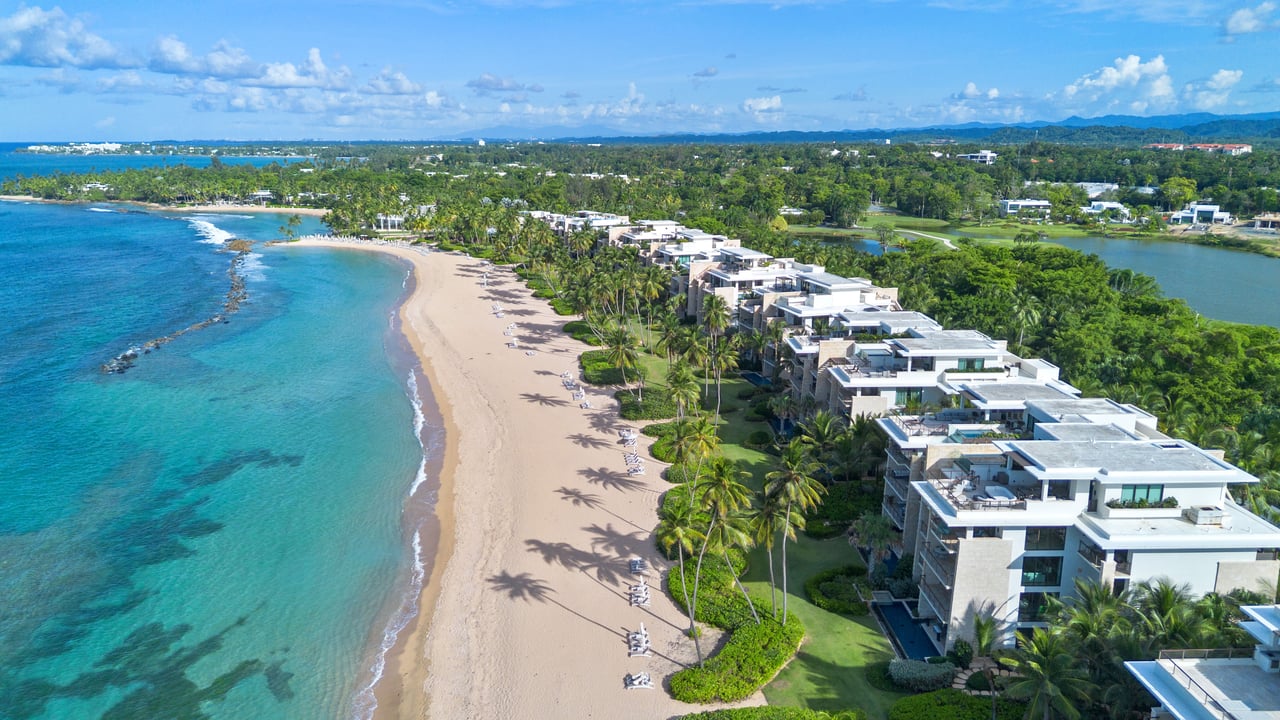
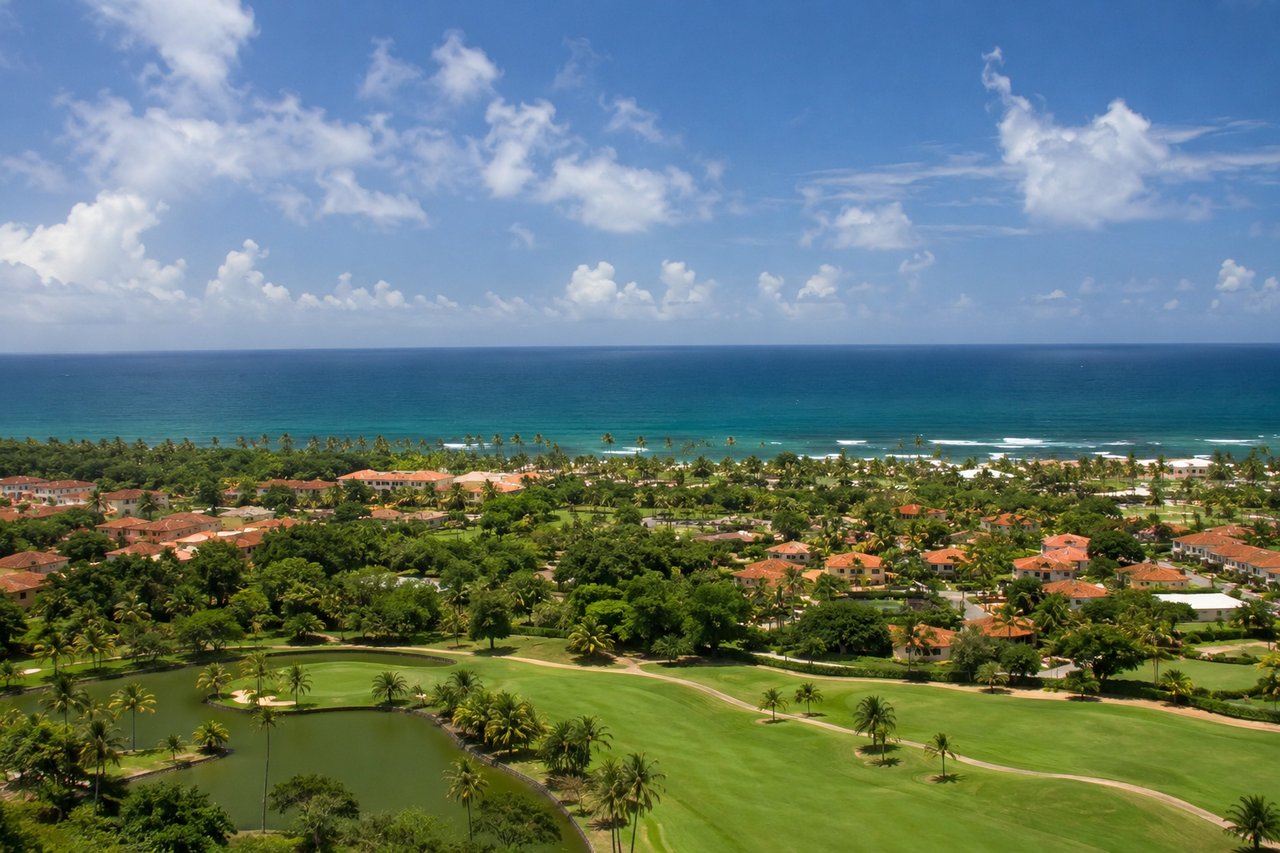
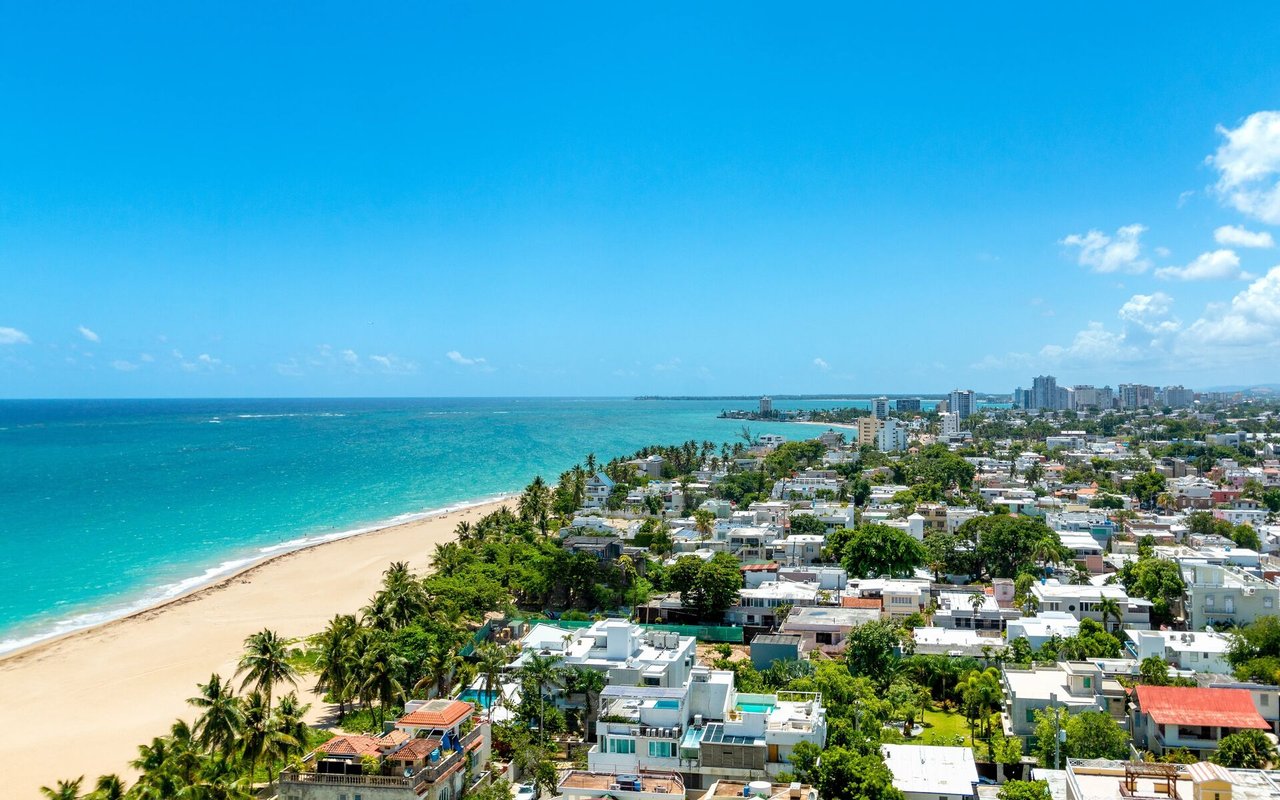
In Río Grande, the Wyndham Grand Rio Mar resort exemplifies a full‑scale resort environment. Expect multiple pools, beachfront common areas, extensive landscaping, tennis facilities, golf, spa and fitness centers, and on‑site guest services. These amenities are wonderful for lifestyle and rental appeal, but they increase master‑level operating, staffing, and insurance costs.
Some programs, such as golf memberships, marina or water sports, spa services, and rental program participation, are often separate from base HOA dues. Clarify all amenity fees and who operates each facility before you buy.
What to verify for a unit
For any unit within or adjacent to Rio Mar, confirm whether you pay both a master and a sub‑association fee. Review the allocation formula used by each association. Ask whether any amenities are operated by a separate entity that can charge its own fees, and whether rental program participation changes your cost structure.
Request the reserve study, current reserve balances, insurance declarations, deductible policy, and recent meeting minutes discussing storm readiness and long‑term capital plans. Do not rely on listing remarks for fee details; always verify in current official documents.
Due diligence checklist
Before you commit, request and review the following:
- Declaration, bylaws, rules and regulations, and articles of incorporation.
- Current budgets and assessment schedules for master and sub associations.
- Most recent reserve study and current reserve account balances.
- Master and sub insurance declarations pages and written deductible policy.
- Last 3 years of financial statements and a current receivables aging report.
- Board and membership meeting minutes for the last 12 to 24 months.
- Major vendor contracts (landscaping, management, security, pools) with renewal dates.
- Litigation disclosures and history of special assessments.
- Condominium map or plat showing common elements and boundaries.
Ask targeted questions:
- What exactly is included in each assessment, and which utilities are bundled?
- How are assessments allocated to your unit, and when was the formula last updated?
- What are the wind and hurricane deductibles, and how are they allocated after a loss?
- Has the association assessed owners for storm damage in the past? Why and how much?
- What capital projects are planned in the next 5 to 10 years, and how will they be funded?
- What are the rental and short‑term occupancy rules, and are there extra fees for rental programs?
- What is the current delinquency rate, and what is the collection plan?
- Are there any disputes, litigation, or management changes underway?
- How often is the reserve study updated?
Next steps in Río Grande
When you zero in on a property in Mameyes II or the broader Río Grande resort corridor, focus on documents first, impressions second. Normalize the fees for inclusions and insurance responsibilities, then apply the benchmarking metrics. A clear picture of reserves, deductibles, and special assessment history will help you set realistic carrying cost expectations and reduce surprises after closing.
If you are relocating under Act 60 or purchasing a second home, a steady process and the right local team make all the difference. For calm, concierge guidance from search through document review, connect with the boutique advisors at INCANTO Real Estate & Relocation.
FAQs
What do HOA fees usually include in Puerto Rico resorts?
- They commonly fund common‑area maintenance, security, management, utilities for shared elements, insurance on common elements, and reserves for future capital projects.
How do master and sub‑association fees differ in a resort?
- Master dues support resort‑wide assets like roads, main security, and large amenities, while sub‑association dues cover building‑level items such as corridors, elevators, and exterior maintenance.
Do HOA fees cover insurance for my unit interior?
- Typically no; the association policy covers common elements and sometimes the building shell, while your HO‑6 policy insures interior finishes, personal property, and your personal liability.
How can I compare HOA fees across different resorts?
- Normalize for what each fee includes, then use metrics like fee per square foot, fee as a percent of value, reserves as a percent of budget, months of cash on hand, and special assessment history.
What should I verify before buying in Rio Mar?
- Confirm whether both master and sub dues apply, what each includes, how assessments are allocated, insurance policies and deductibles, reserve funding levels, planned projects, rental rules, and any separate amenity fees.