Selling a Property in Puerto Rico: Opportunities and Risks
Selling a property is one of the most significant financial decisions for any family. However, many owners face obstacles that delay the process or even halt the transaction. From inconsistent valuations to legal complications, there are factors worth identifying early to ensure a successful closing.
Appraisals Below the Agreed Price
One of the most common problems when selling in Puerto Rico is the difference between the negotiated price and the value reflected in the appraisal. When the appraisal comes in lower, banks limit financing and the negotiation must be adjusted.
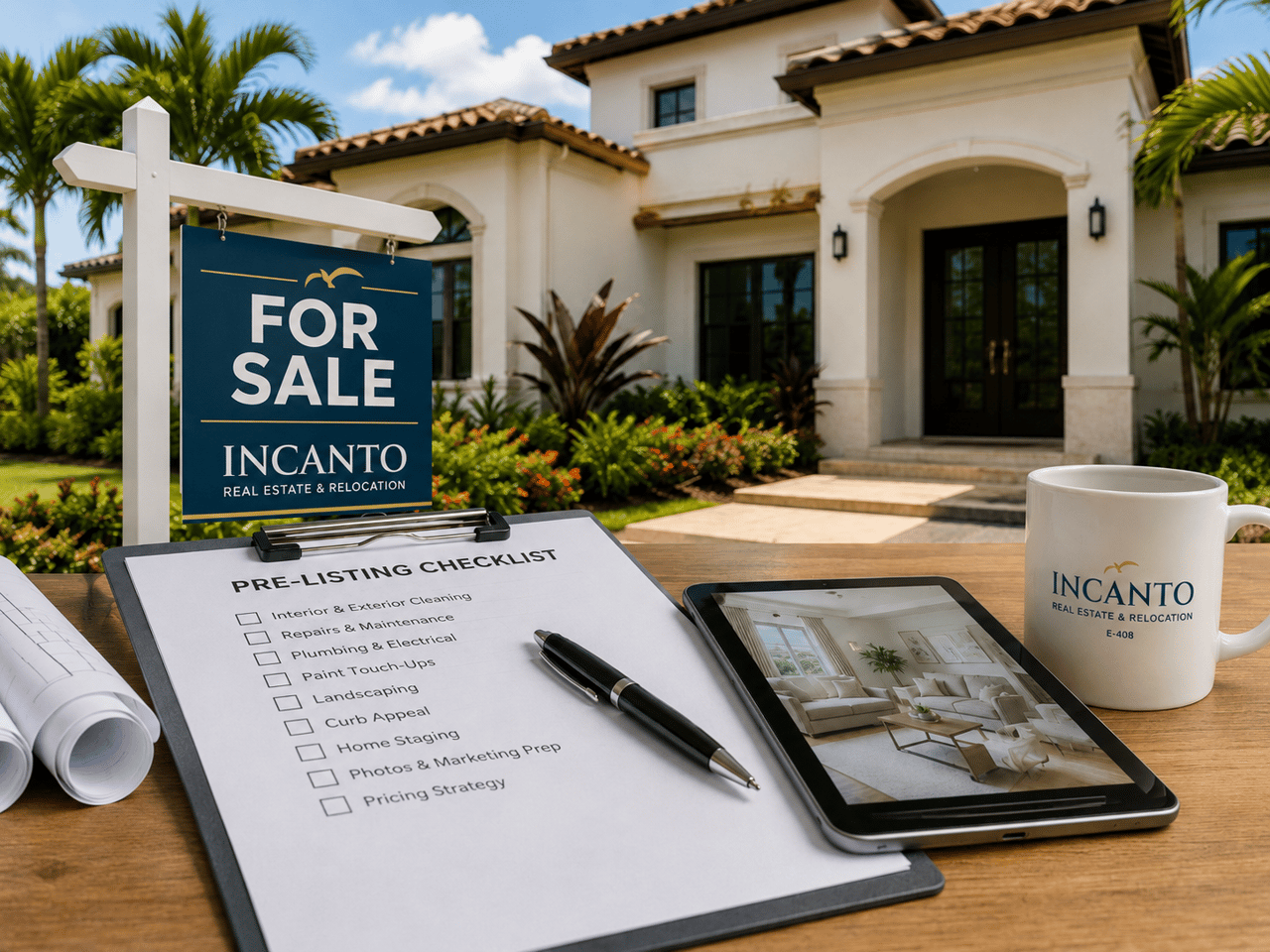
How to prevent it: before listing the property, obtaining a reliable professional valuation allows you to set a realistic price and minimize setbacks.
Renovations That Don’t Increase Value
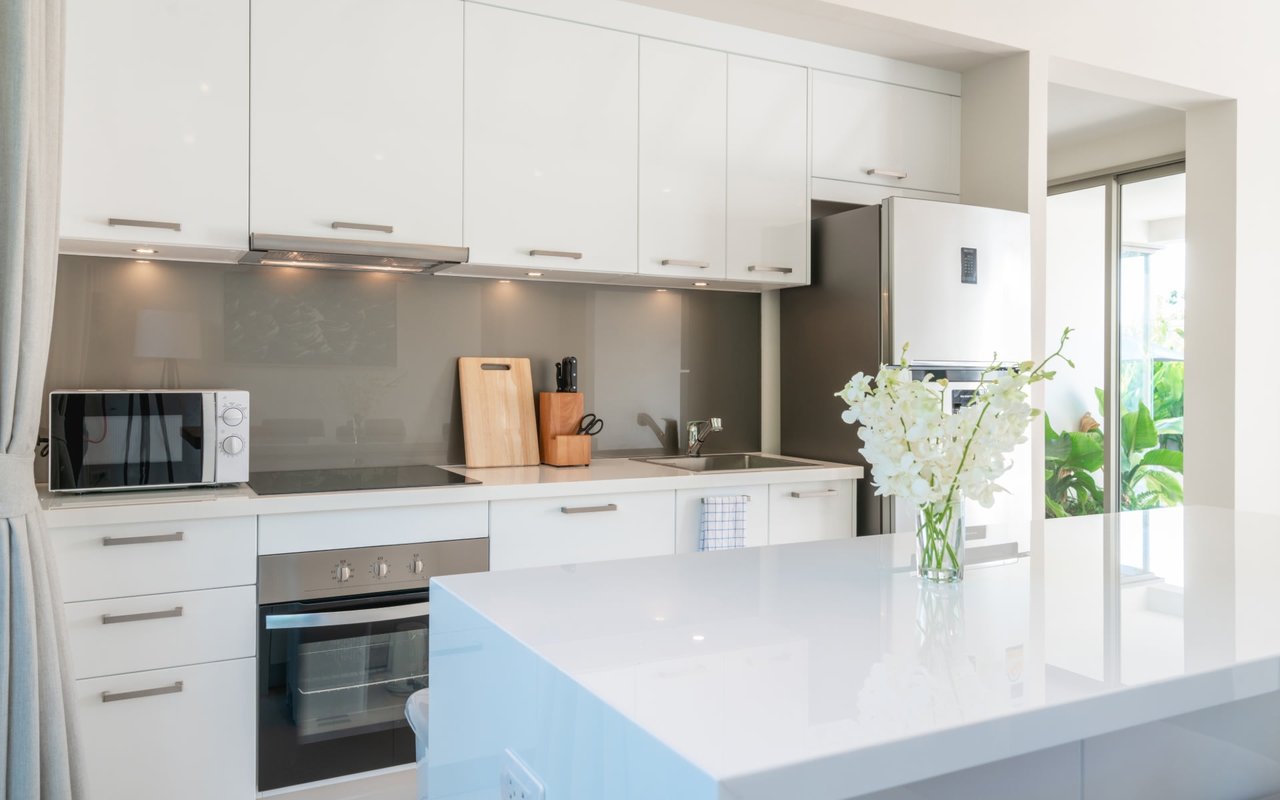
Many homeowners invest large amounts in improvements expecting to raise the sale price. However, not all renovations add value in the market. Kitchens and bathrooms tend to be strategic, but other aesthetic or personalized upgrades may not be recovered in the final price.
How to prevent it: consulting with an agent or appraiser before making renovations ensures that the investment translates into real appeal for buyers.
Tax Issues and Hidden Debts
Tax debts associated with the property — particularly with CRIM — are one of the main reasons a closing can be delayed. Liens or pending exemptions complicate the process and generate unexpected costs.
How to prevent it: conduct a full tax verification at the beginning of the sale process and ensure the property is free of debts.
Easements and Irregular Constructions
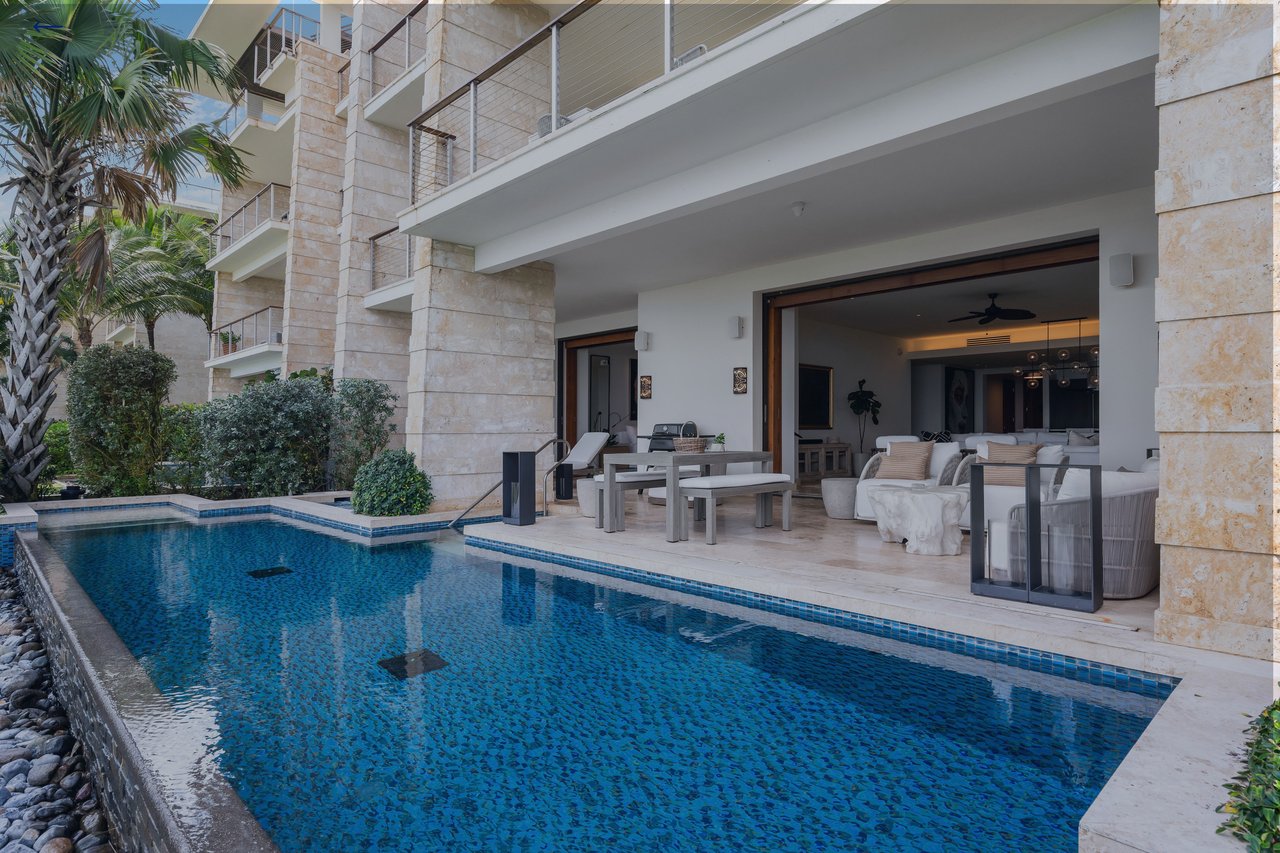
Unpermitted pools or unregistered easements are another factor that can halt a sale. These legal and structural issues are often discovered late in the process and require costly corrections.
How to prevent it: reviewing the property’s registry history and construction permits in advance is key to avoiding surprises.
Inheritance and Title Problems
In Puerto Rico, it is common for properties to come from inheritances without a complete succession process. This creates title disputes and complicates the formal transfer.
How to prevent it: begin the legal process early and work with specialized professionals to ensure a smoother transaction.
Conclusion
Selling a property in Puerto Rico does not depend solely on market price. Legal, tax, and valuation factors can make the difference between a successful closing and a stalled process. Planning with certified professionals, conducting early verifications, and anticipating potential obstacles can turn the sale into a safe and profitable opportunity.
At Incanto Real Estate & Relocation, we support property owners at every stage of the process, ensuring a clear and efficient transaction.
For personalized guidance, visit here
Frequently Asked Questions (FAQ)
What Should I Do If My Property’s Appraisal Comes in Lower Than the Negotiated Price?
It is recommended to reevaluate the price or renegotiate with the buyer, as banks finance based on the appraised value.
Do All Renovations Increase the Sale Value?
No. Only strategic improvements, such as kitchens and bathrooms, tend to be reflected in the final price.
What Happens If the Property Has Debts with CRIM?
The closing cannot be completed until those debts are settled or regularized.
How Can I Avoid Delays Due to Inheritances or Easements?
With a prior legal analysis of the title and the property’s records.
📺 Watch the full episode on YouTube: