There is something that stands out from the very first moment you set foot in Puerto Rico: music is everywhere.
Puerto Rico sounds different.
And that sound — made of drums, voices, strings, footsteps, and smiles — is part of what captivates those who arrive seeking more than a property or a new destination. For many, moving to Puerto Rico is not just a financial or geographic decision, but a lifestyle choice.
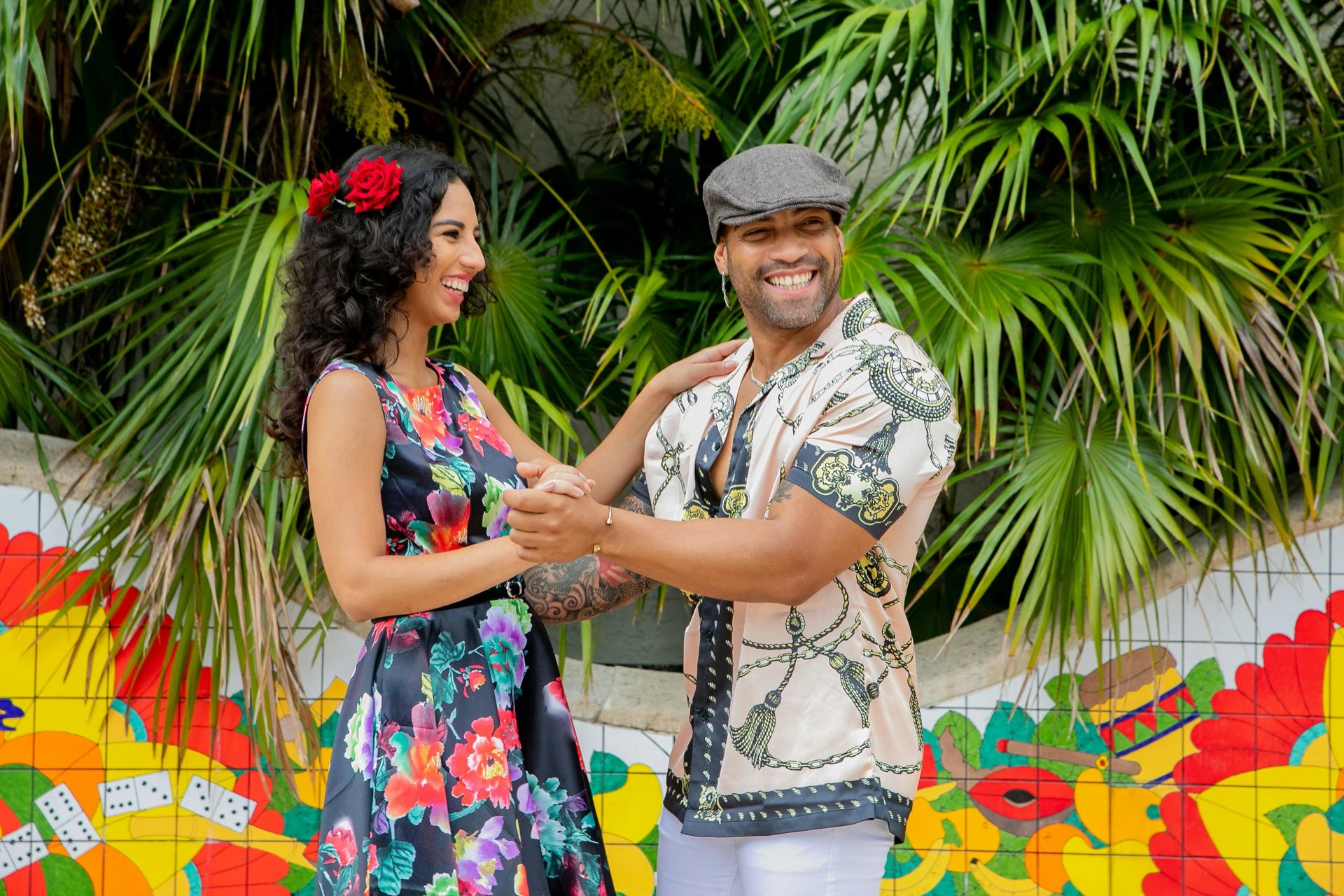
People dancing to the rhythm of Puerto Rico.
Here, music is not just background noise — it is part of daily life. A living cultural expression that flows through open windows, fills public squares, and transforms any corner into a stage. This everyday rhythm, authentic and close, is what makes Puerto Rico one of the most attractive places for those seeking a new beginning with Caribbean soul.
A Rhythm You Breathe Every Day
In Puerto Rico, music is a form of communication. It is part of the shared language — a deep reflection of identity, joy, and community. It is not confined to auditoriums or reserved for professional artists; it is in the air, available to everyone. It lives in the streets, is shared among neighbors, and becomes part of the daily life of those who choose to live on the island.
Genres like bomba, plena, and salsa are much more than musical styles. They are part of Puerto Rico’s cultural DNA. Although their roots go back centuries, they remain as present as ever, evolving with new generations and blending with contemporary influences.
You hear them in popular celebrations, improvised beach rehearsals, community music workshops, or outdoor dance classes. The most valuable part is that there are no barriers — anyone who wants to participate, can.
In these open spaces where people clap to the rhythm, improvise with joy, and follow the percussion with their bodies, something is born that goes beyond music: a true sense of belonging.
For Those Who Arrive: More Than a Change of Place
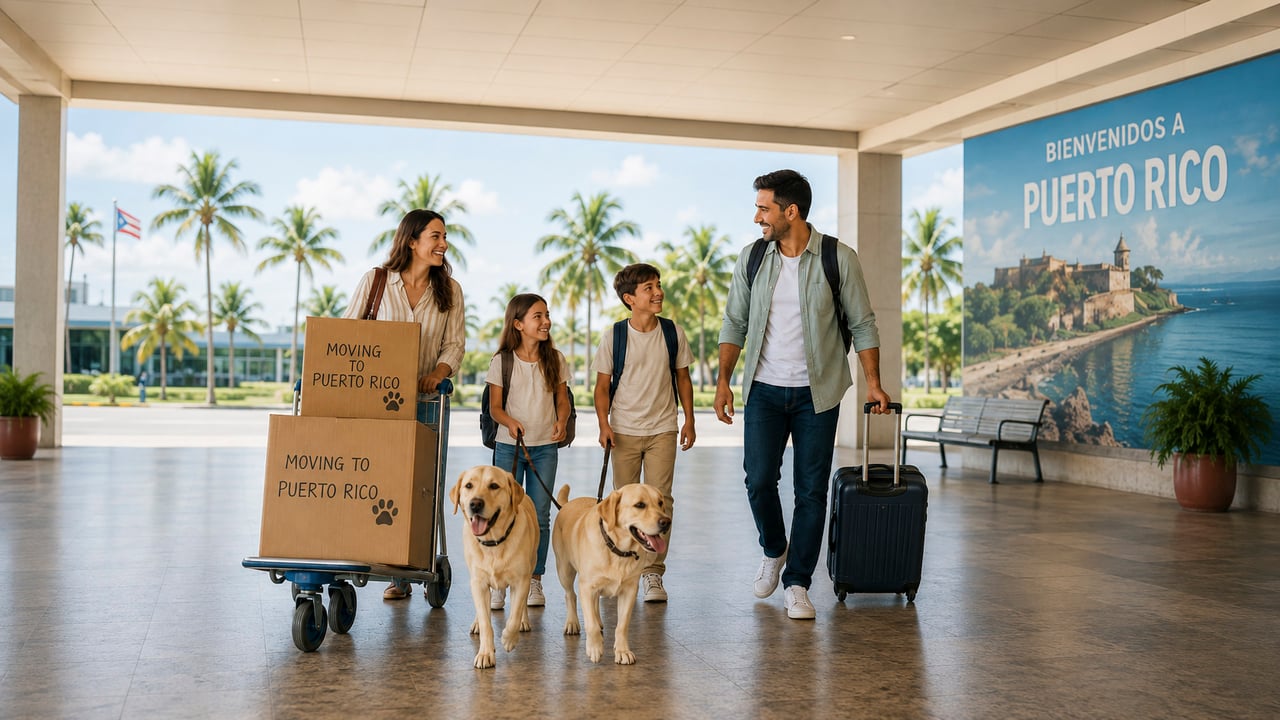
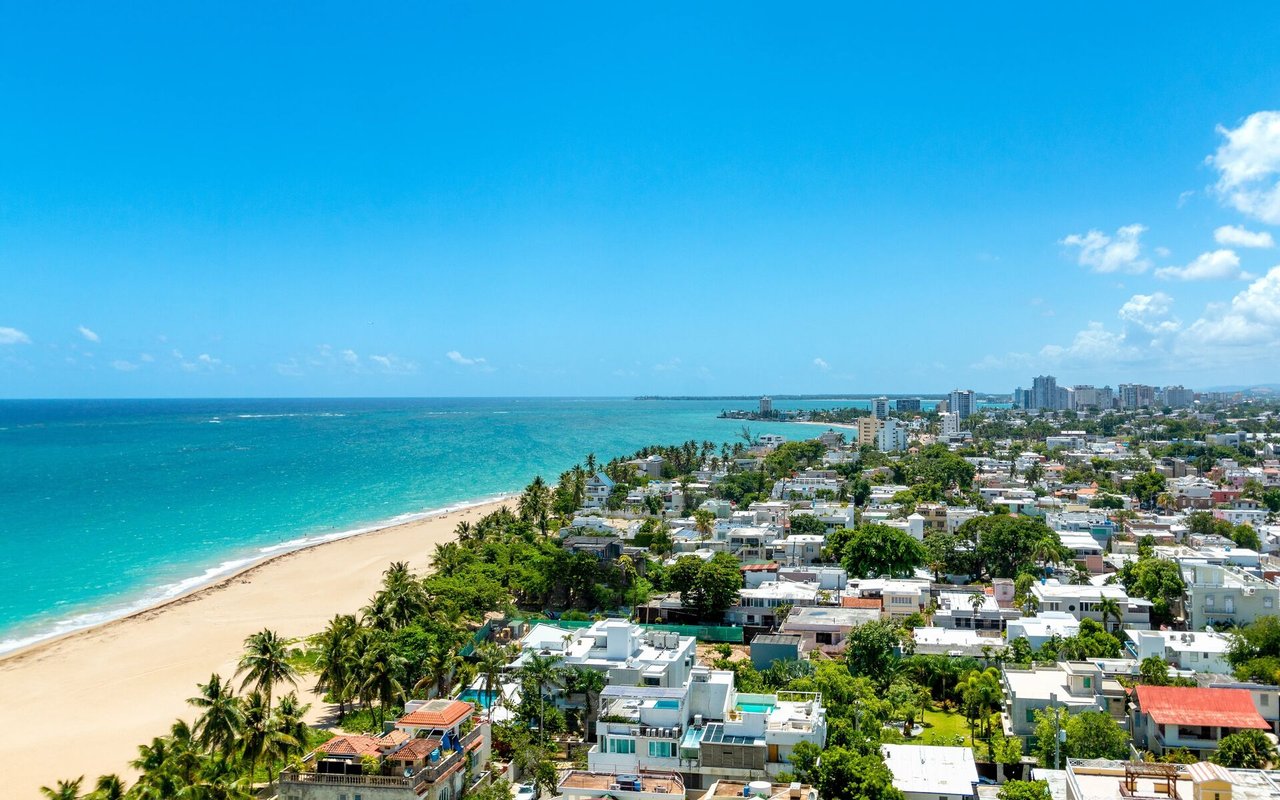
More and more people are choosing to relocate to Puerto Rico. Some arrive attracted by tax benefits, others by natural beauty, tropical weather, or international connectivity. But what makes many stay is something else: how life feels here.
Music is an essential part of that “how.”
For those coming from big cities or abroad, the vitality of public spaces, the warmth of the people, and the ease with which any place becomes a gathering spot can be surprising.
In such a human environment, music acts as an invisible thread that connects cultures, welcomes newcomers, and transforms routine into a shared experience.
Moving to Puerto Rico, then, is not just settling into a new address.
It is entering a community that vibrates, sings, and invites you to be part of it from day one.
A culture that cannot be imitated.
Many cities promote themselves through economic growth, urban development, or climate. But Puerto Rico offers something that cannot be exported or copied: a living, spontaneous, and authentic culture that expresses itself in everyday life.
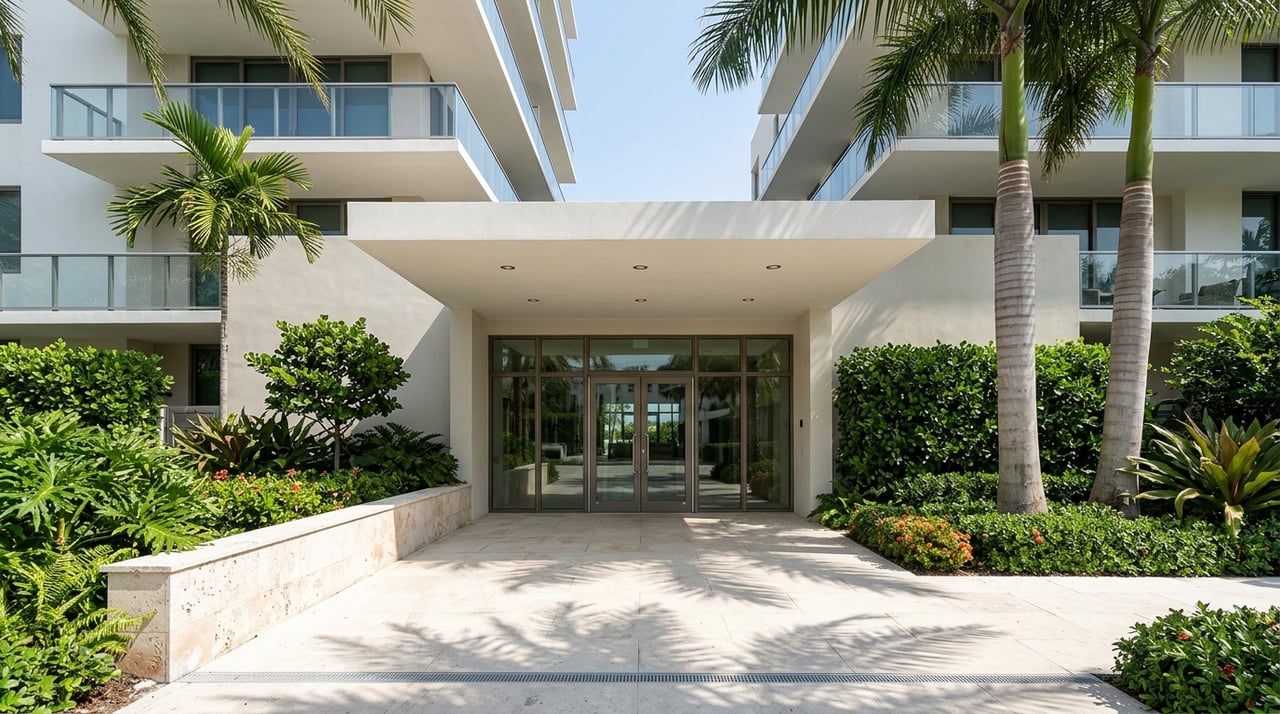
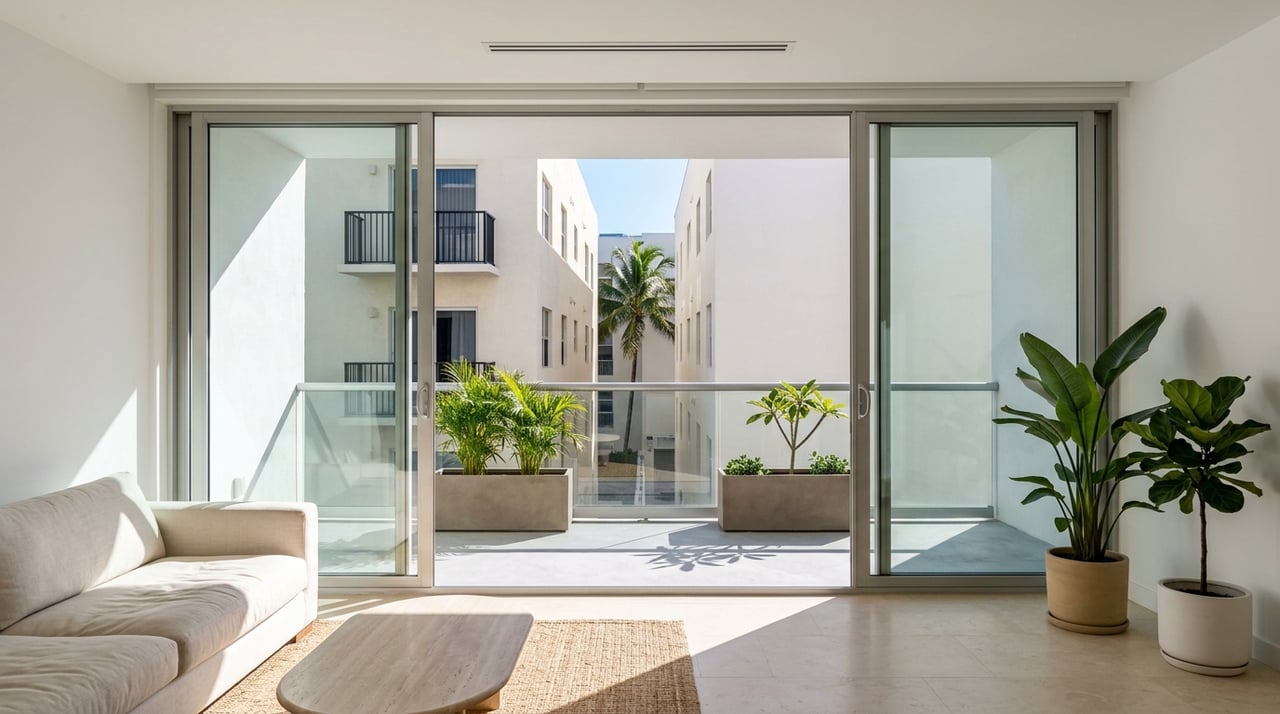
Those looking to buy property in Puerto Rico or settle long‑term are not just searching for a home. They are searching for quality of life. They are searching for connection. They are searching for an environment where the neighborhood sounds like community, where every street tells a story, and where the intangible — like music — has real value.
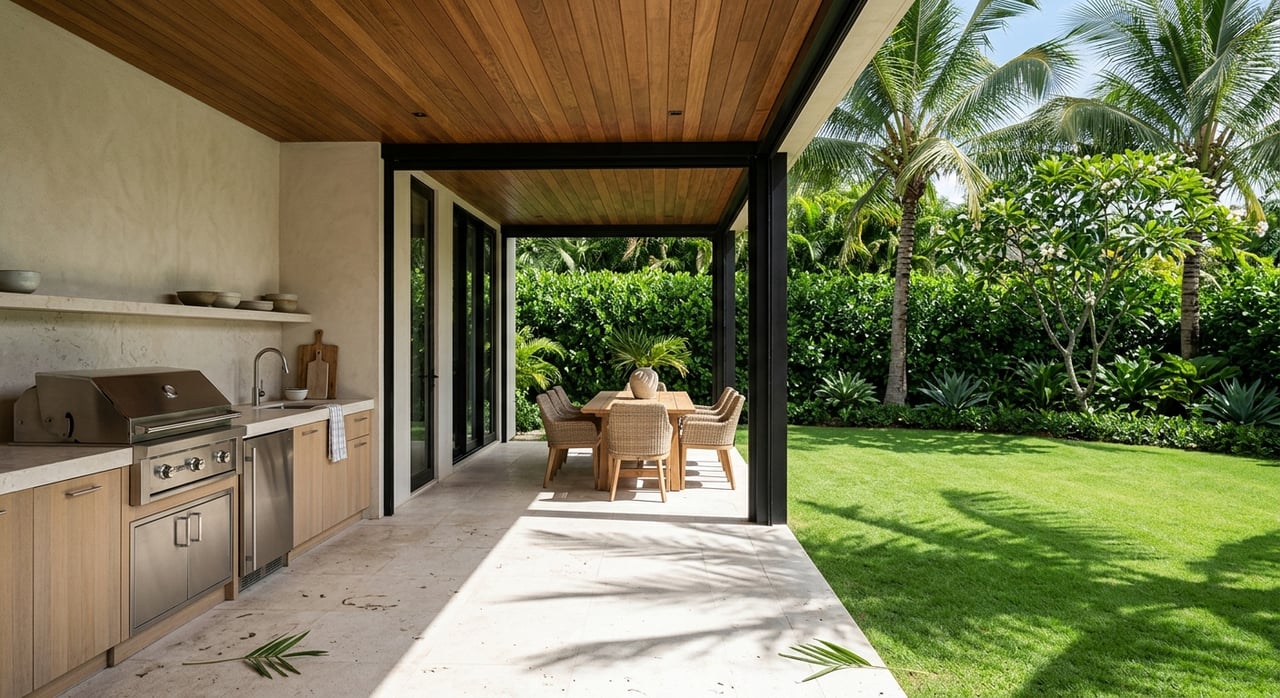
Here, the value of a home is not measured only in square footage, but in what happens inside and around it: real experiences, genuine bonds, the rhythm of everyday life.
Living to the Rhythm of Puerto Rico
Moving to Puerto Rico is not just changing countries or houses.
It is embracing a unique rhythm of life — one you feel in your body, your surroundings, and above all, your heart.
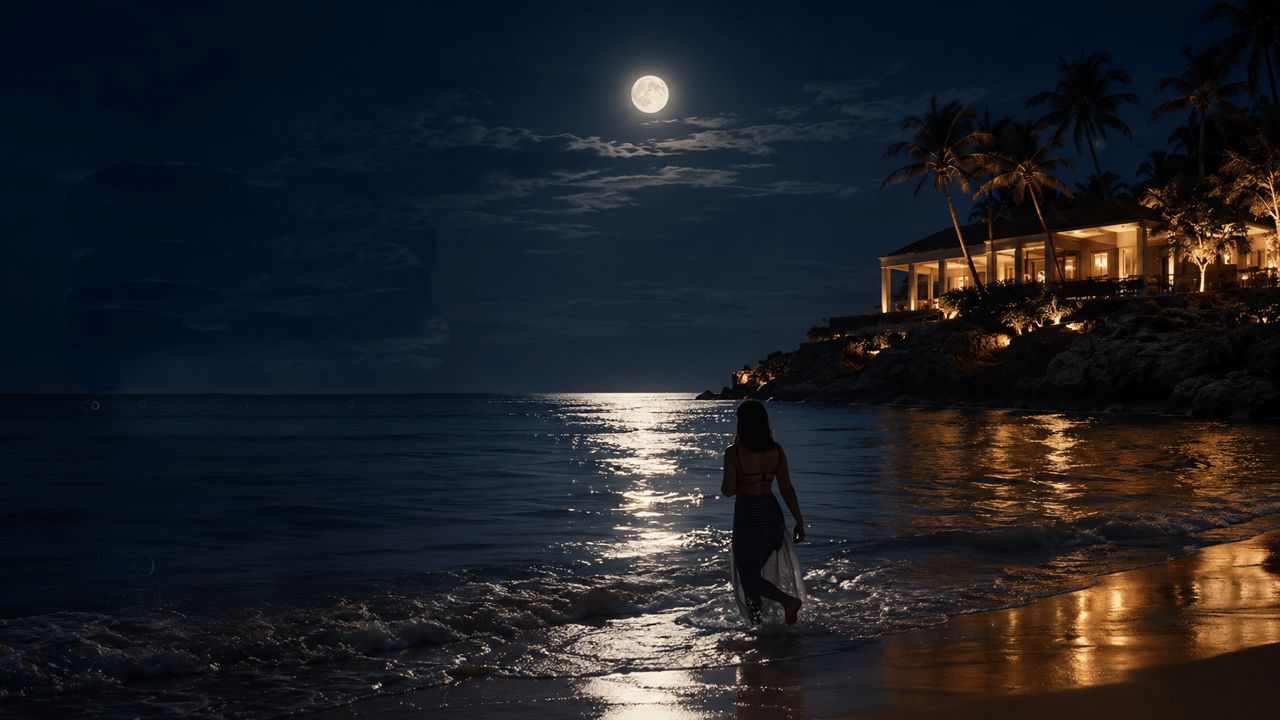
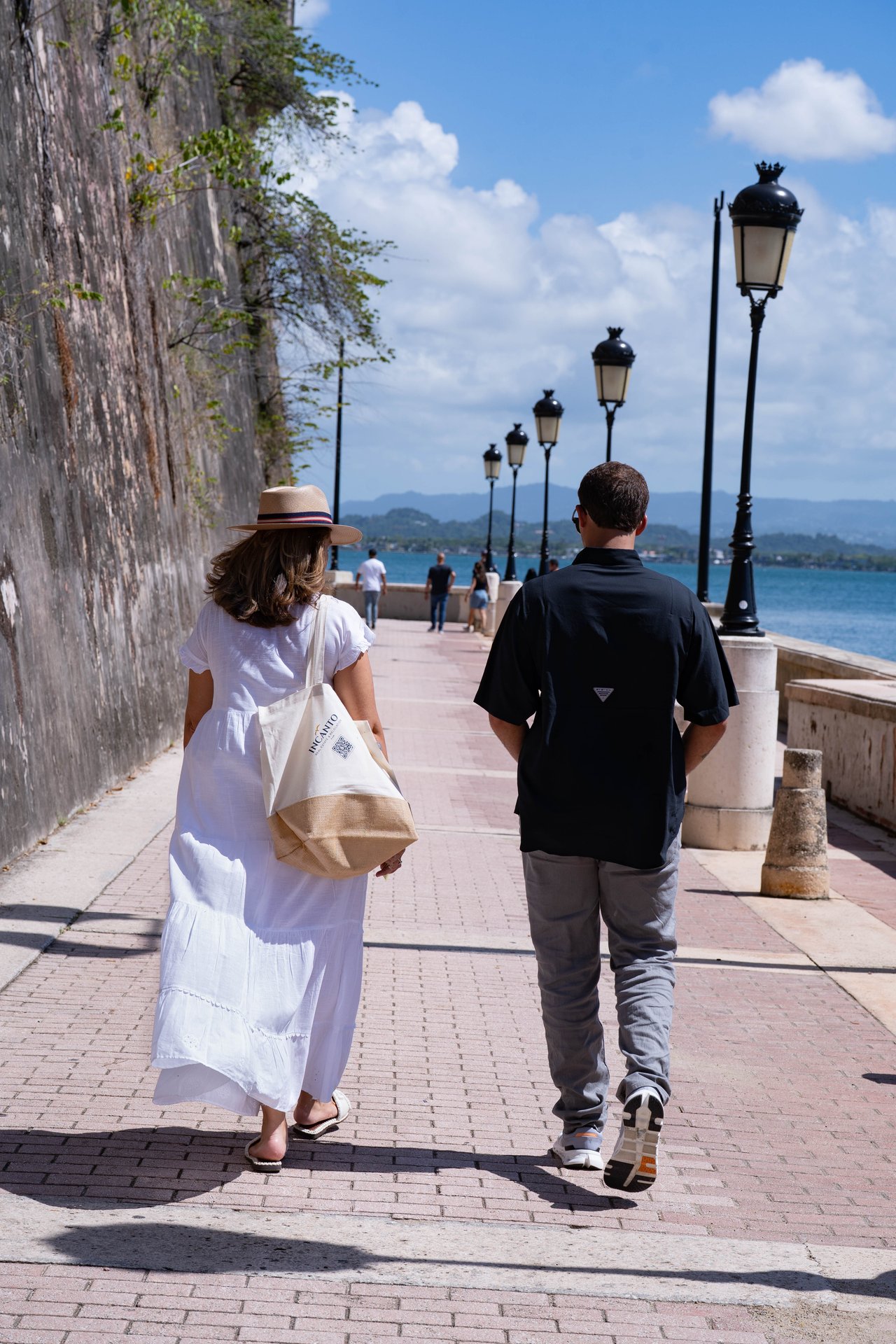
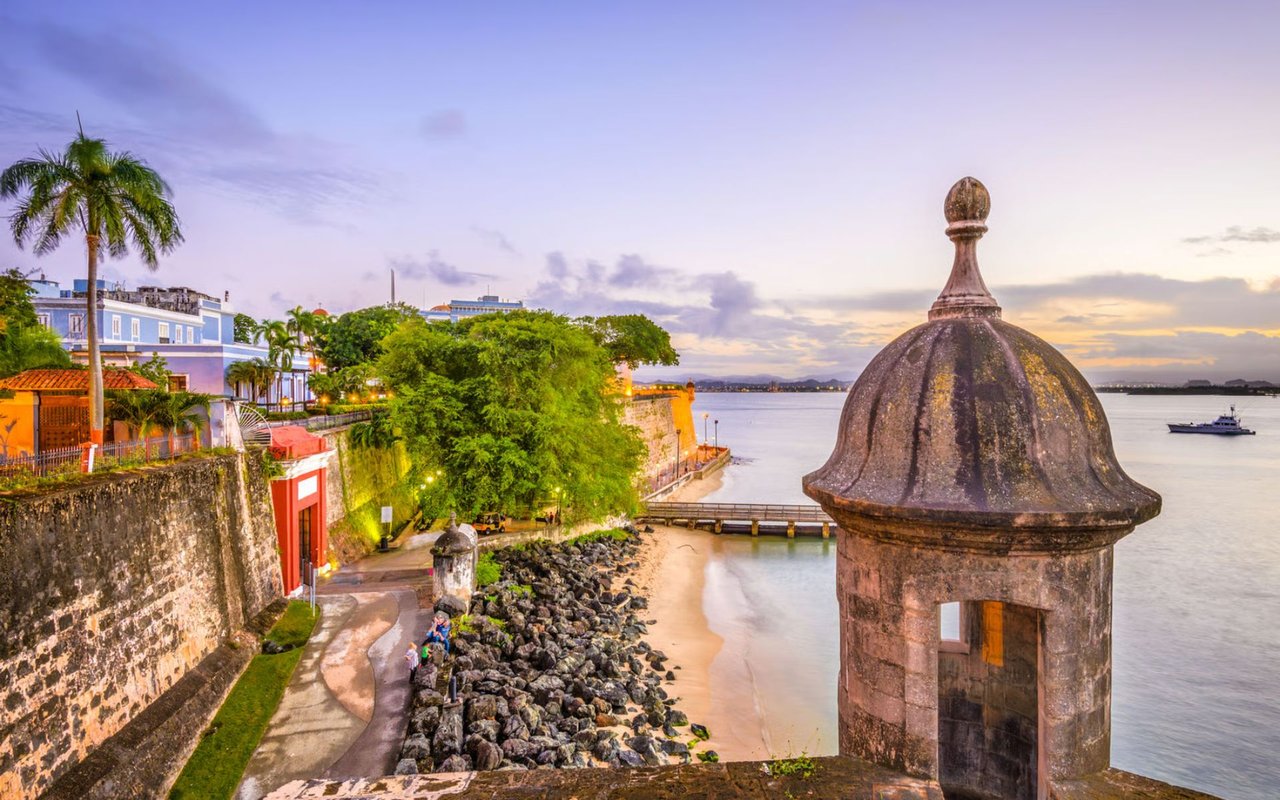
Music accompanies everything: the sunset, coffee with neighbors, celebrations in the plaza, walks through the historic district, children playing in the street. It is a sound that unites, surrounds, and transforms.
And once you feel it…
it’s hard to leave it behind.
👉 Thinking about moving or investing in Puerto Rico? Discover what it means to live to the rhythm of the island.