Thinking about relocating to Dorado under Act 60 and wondering where housing fits into the process? You are not alone. The right lease or purchase can help you document residency, manage timelines, and land with confidence. In this guide, you will learn the housing options that work well for Act 60 relocators, how to map a realistic timeline, and what to watch for with insurance, flood risk, HOAs, and services. Let’s dive in.
Act 60 residency basics for housing
Your goal is to become a bona fide resident of Puerto Rico under the rules that apply. Housing is a key practical step, since your primary place of abode in Puerto Rico supports your residency position, but it does not by itself guarantee tax status. Most clients coordinate housing choices with a tax attorney or accountant who handles the residency tests and documentation.
Typical documents that support residency include:
- A local lease or deed for your primary residence
- Utility bills in your name, local bank accounts, and a Puerto Rico driver’s license or ID
- Evidence of physical presence across the year, such as travel records and calendars
Because the legal tests can be nuanced, plan your housing timeline in lockstep with your advisors. Many clients start with a lease while they gather documents and confirm neighborhood fit, then purchase once timing and location feel right.
Dorado housing map at a glance
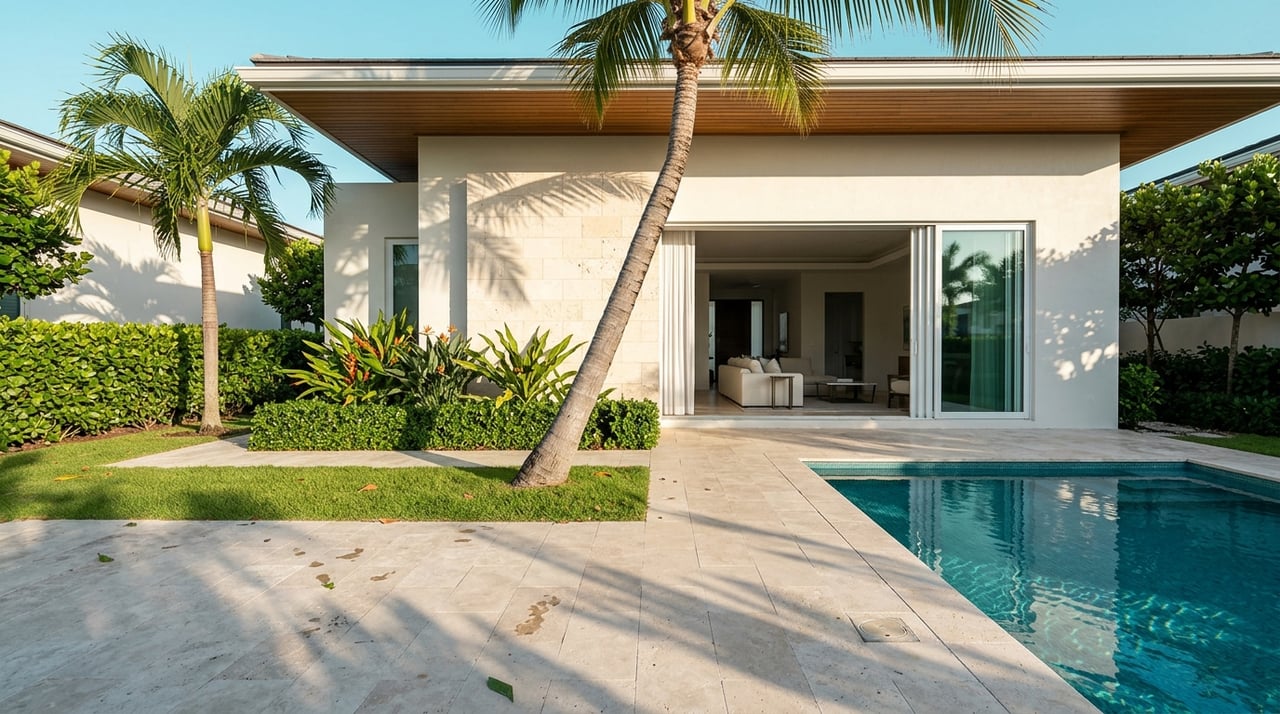
Dorado sits on Puerto Rico’s northern coast and blends resort settings, golf communities, beachfront condos, suburban neighborhoods, and a traditional town center. The municipality offers beaches, golf, and relatively direct access to PR-22 for commuting toward San Juan. Buyers choose Dorado for coastal lifestyle, privacy in gated communities, and reasonable access to metropolitan services and SJU.
Coastal resort and gated communities
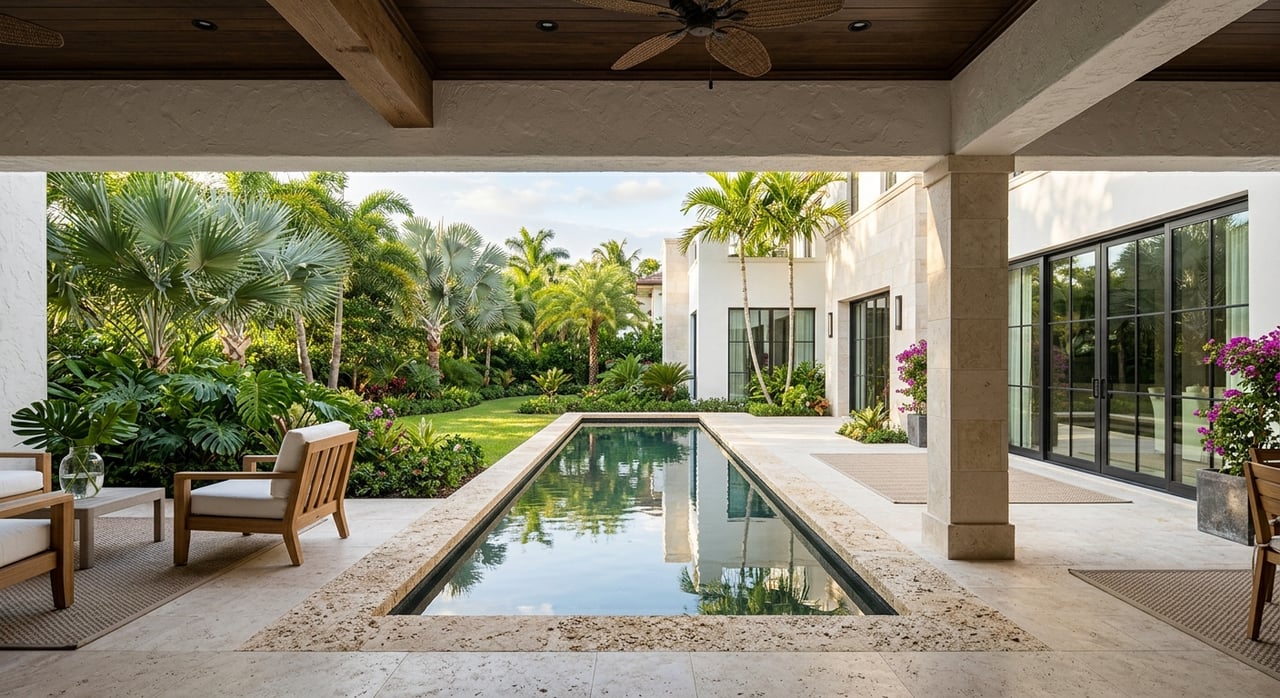
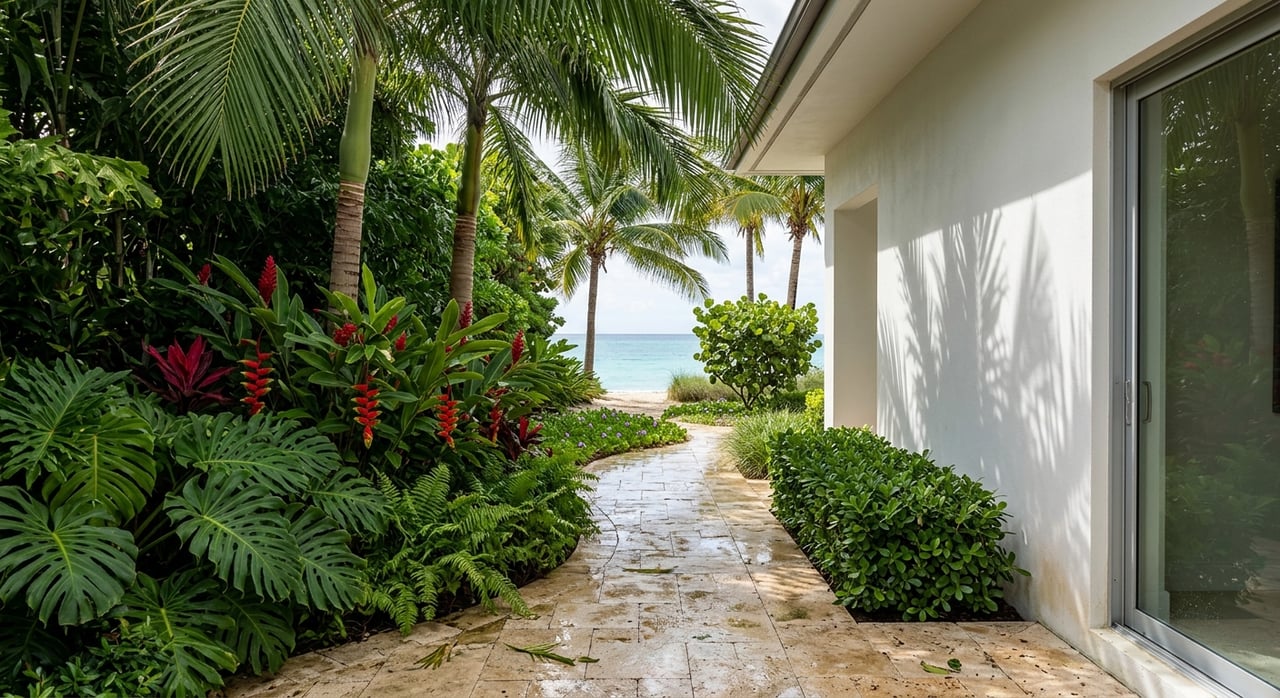
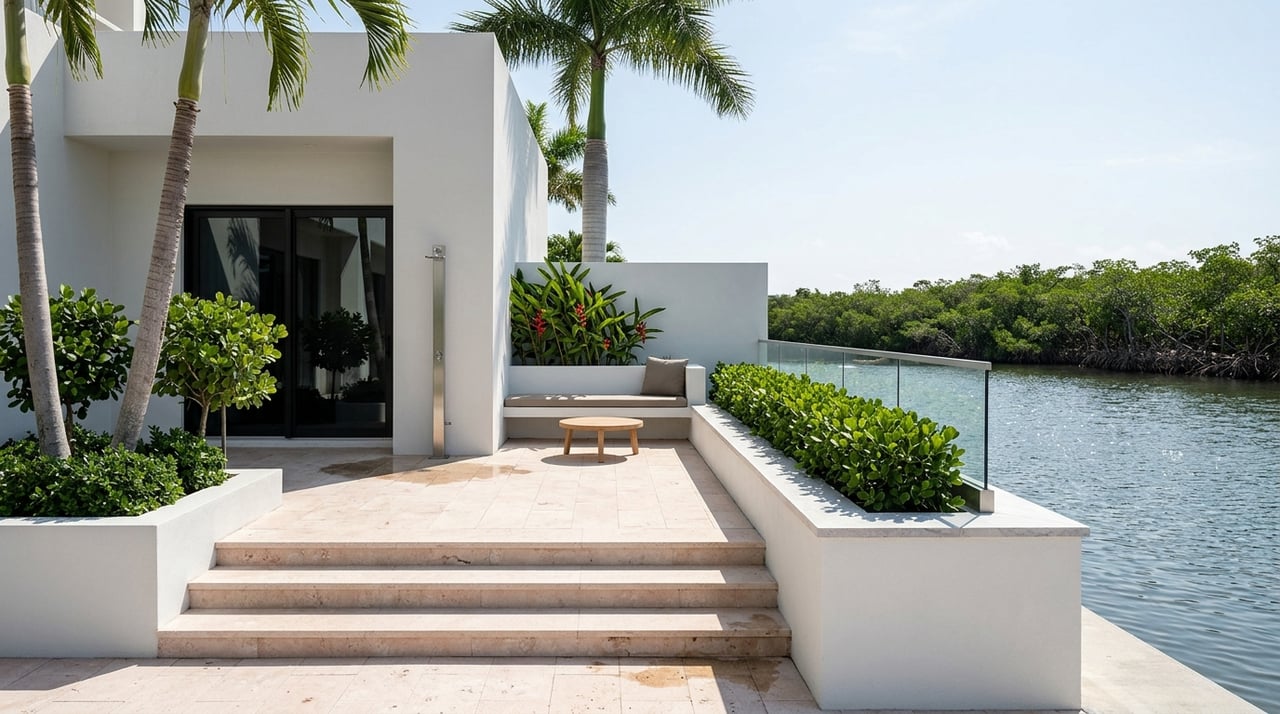
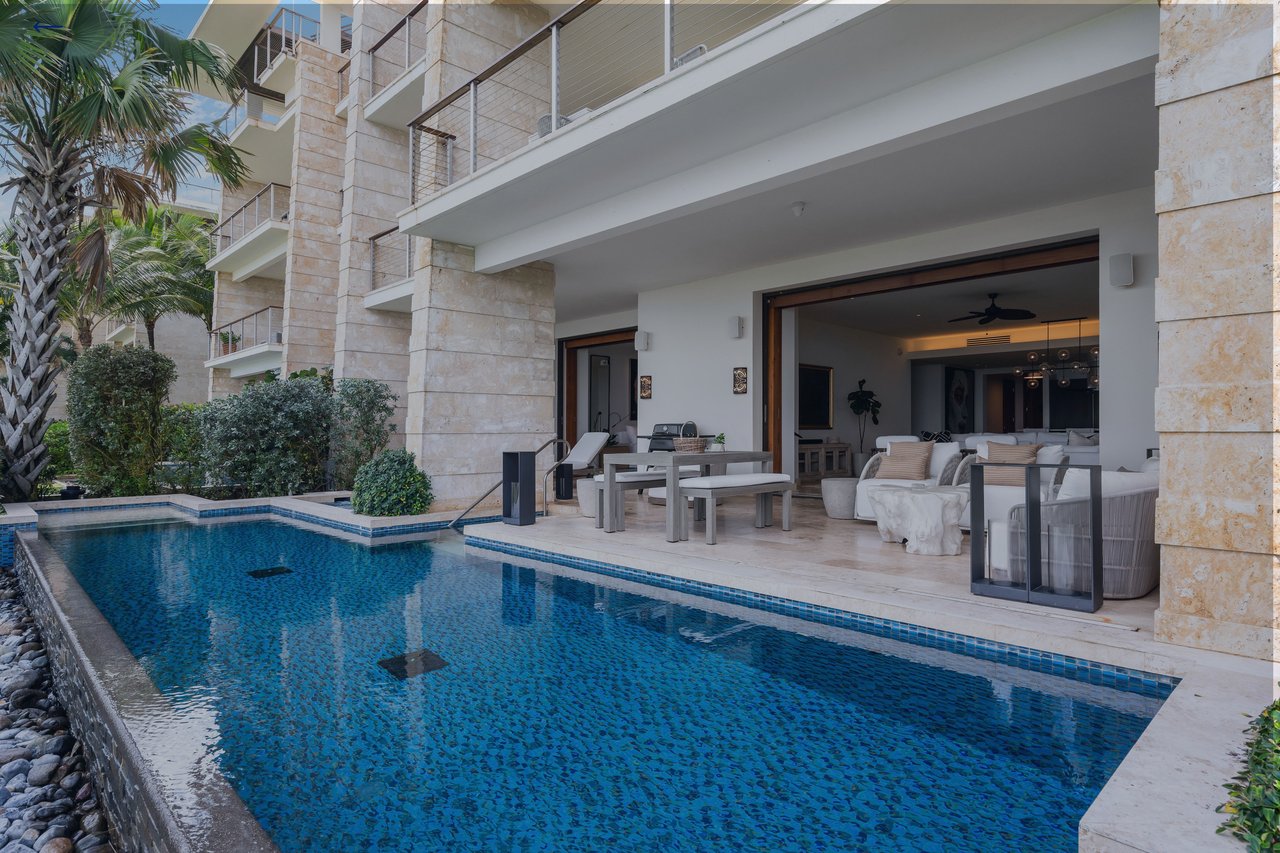
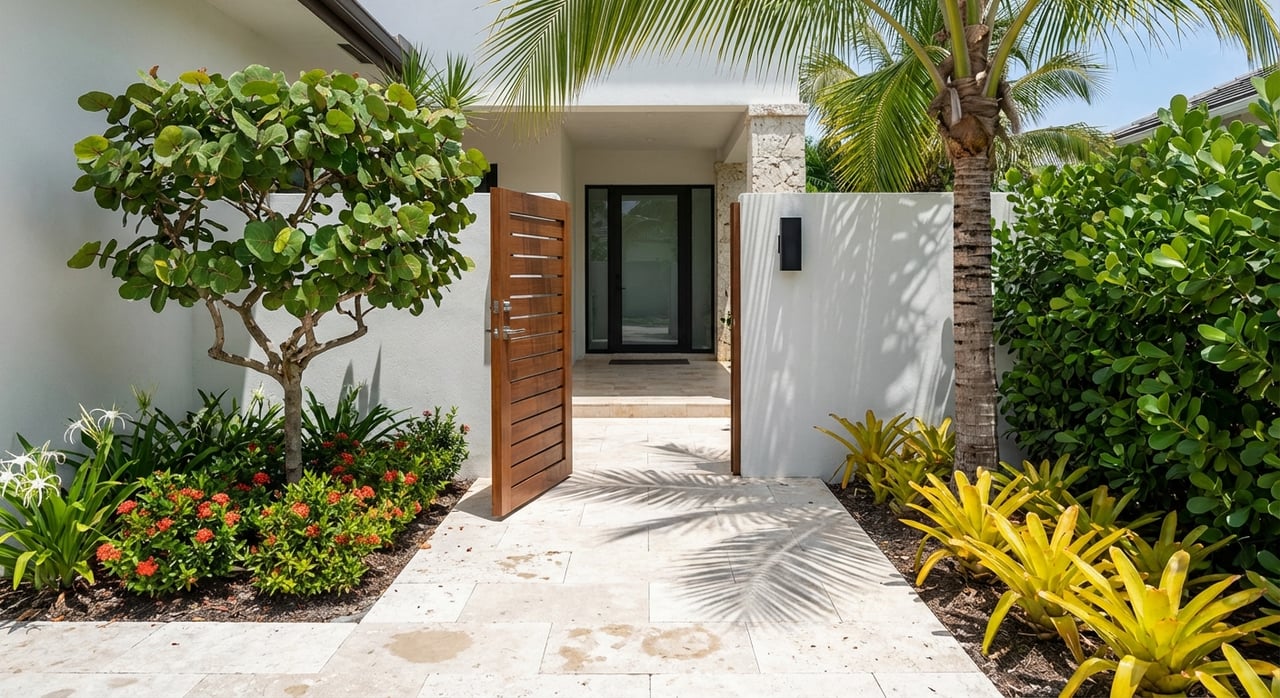
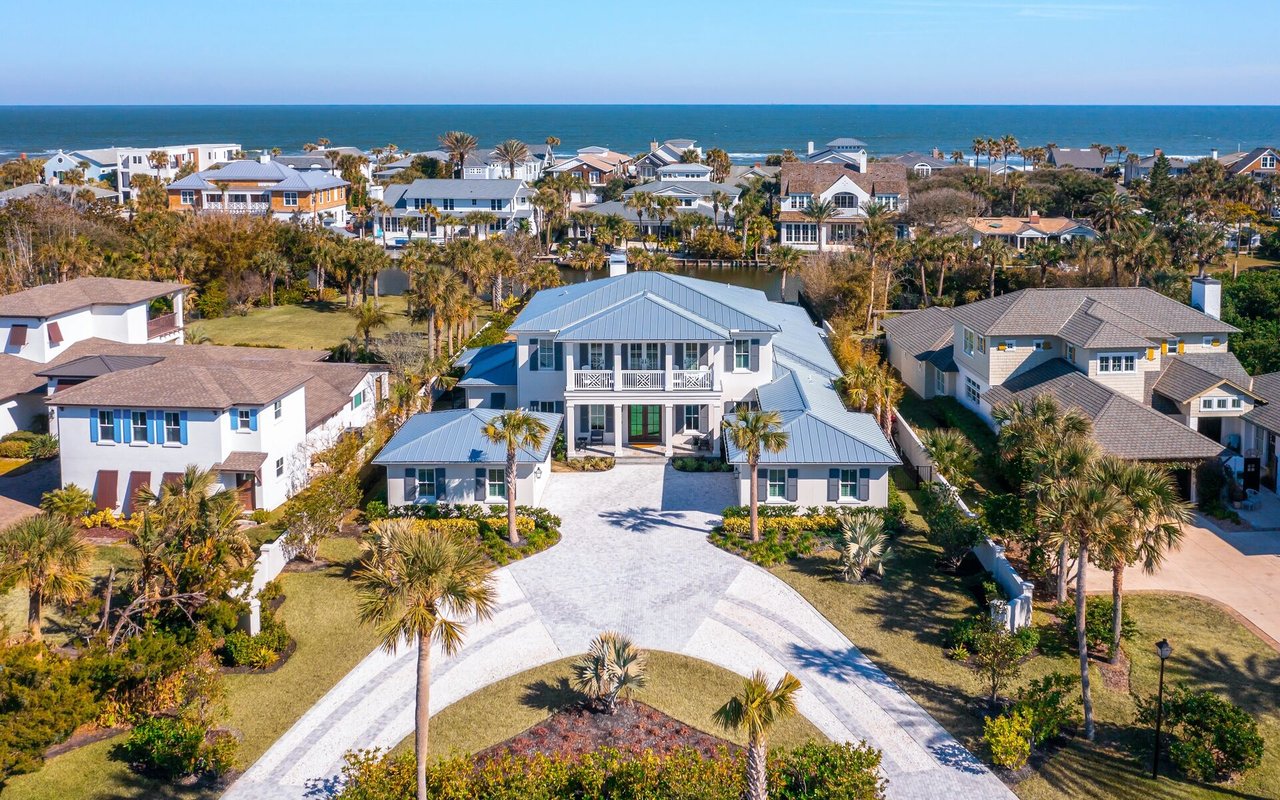
If you want turnkey living with amenities, look at gated, resort-style communities. You will typically find private beaches, golf courses, enhanced security, and optional property management. Homes range from luxury estates and villas to high-end condos. These settings suit privacy-focused buyers and many Act 60 relocators who prefer a managed environment.
Beachfront and mid-rise condo areas
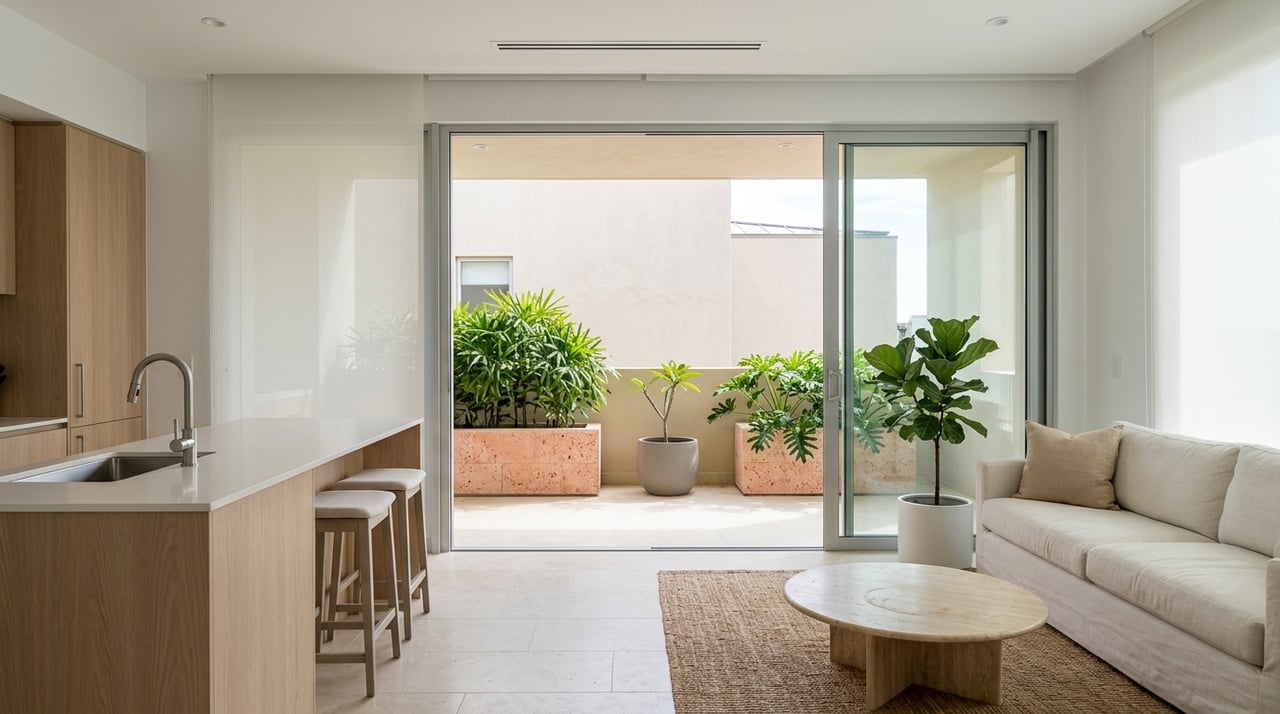
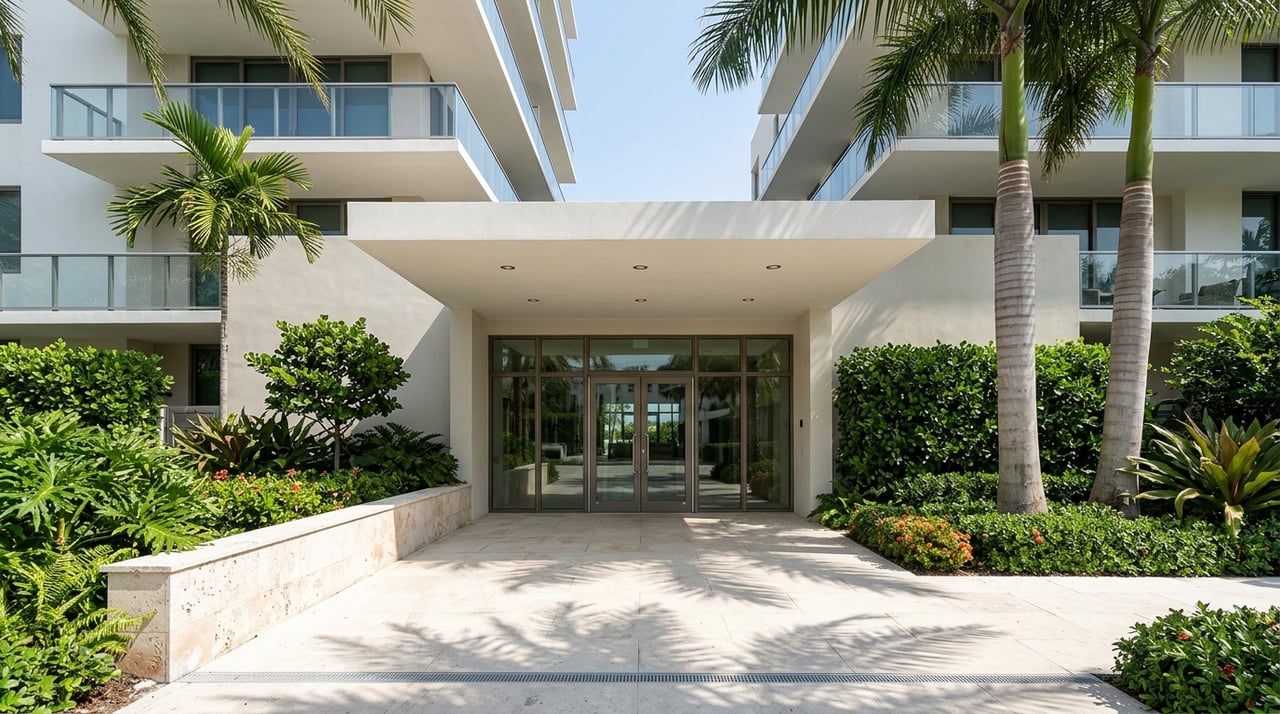
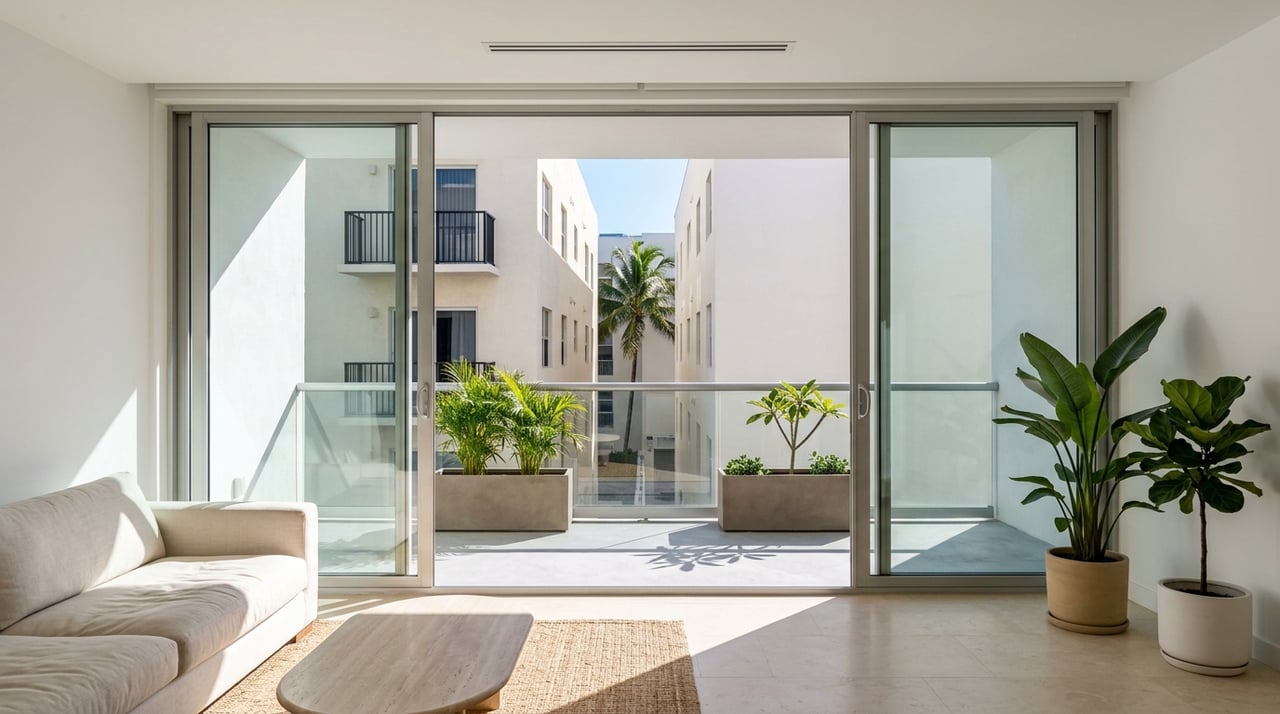
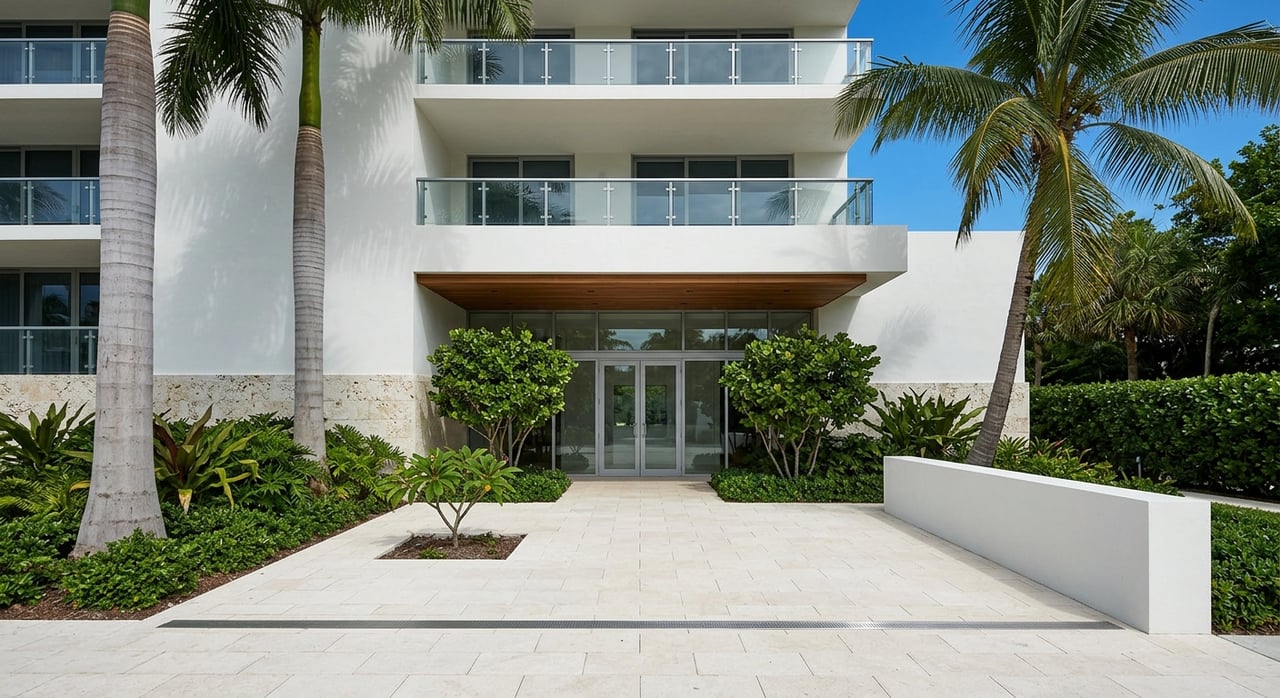
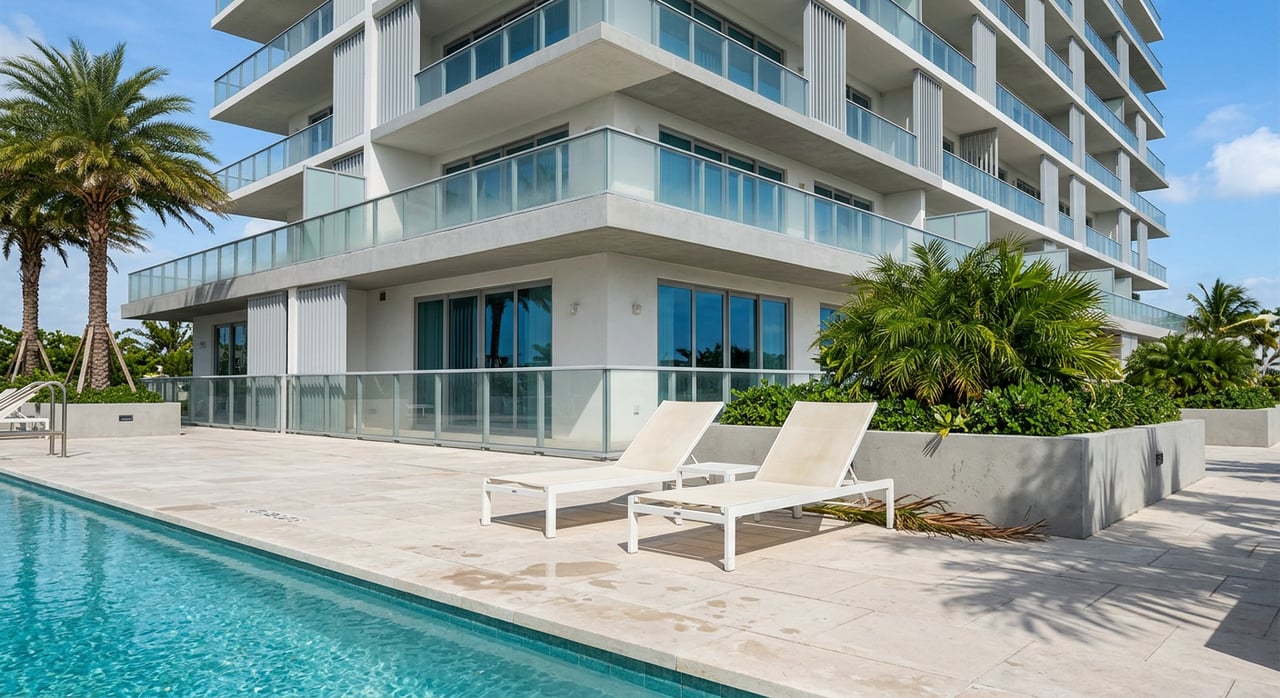
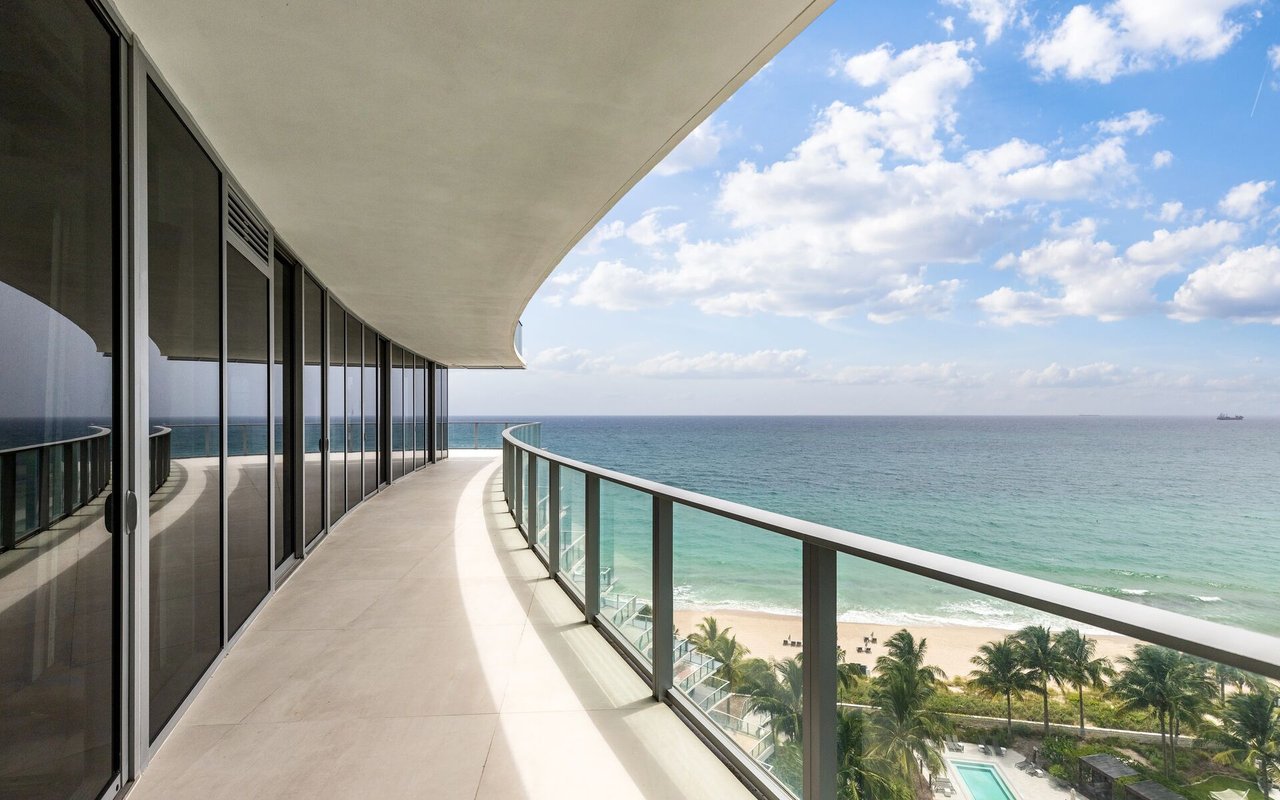
Beachfront and near-beach condos can deliver ocean views with different HOA rules and building ages. This is a strong segment for lease-before-buy because you can secure a comfortable base while you get oriented. Check amenities, guest policies, and building insurance requirements before you commit.
Suburban and town neighborhoods
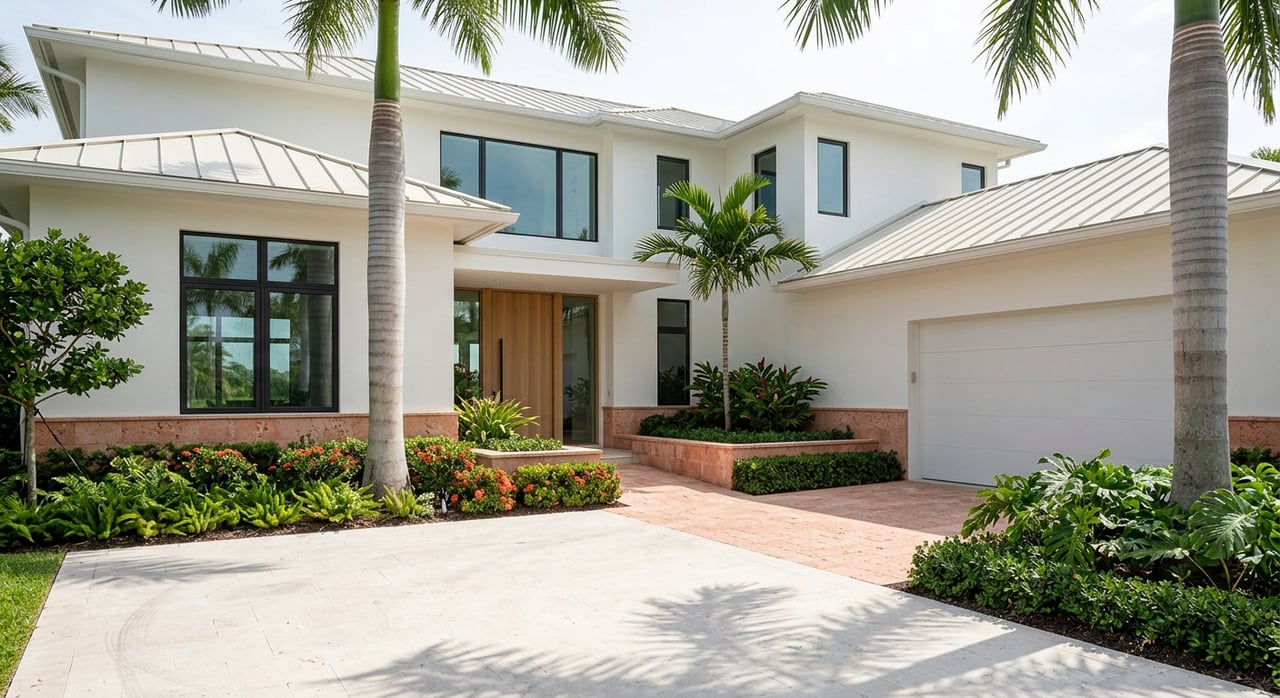
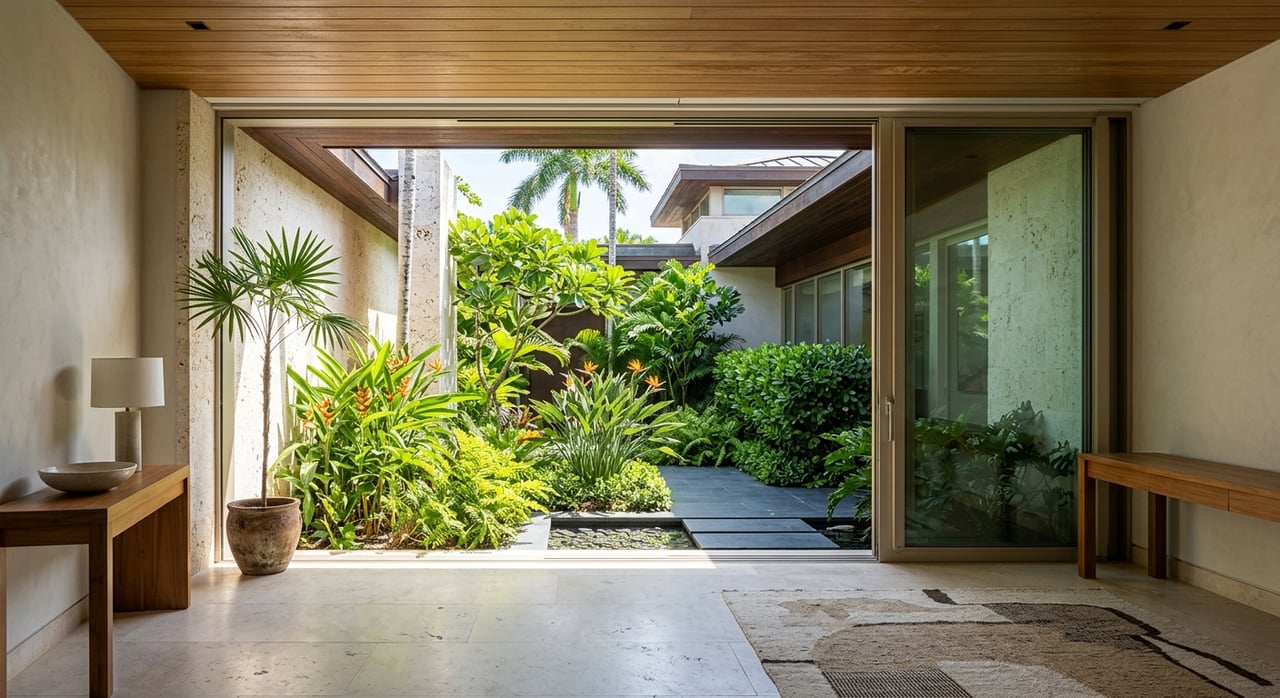
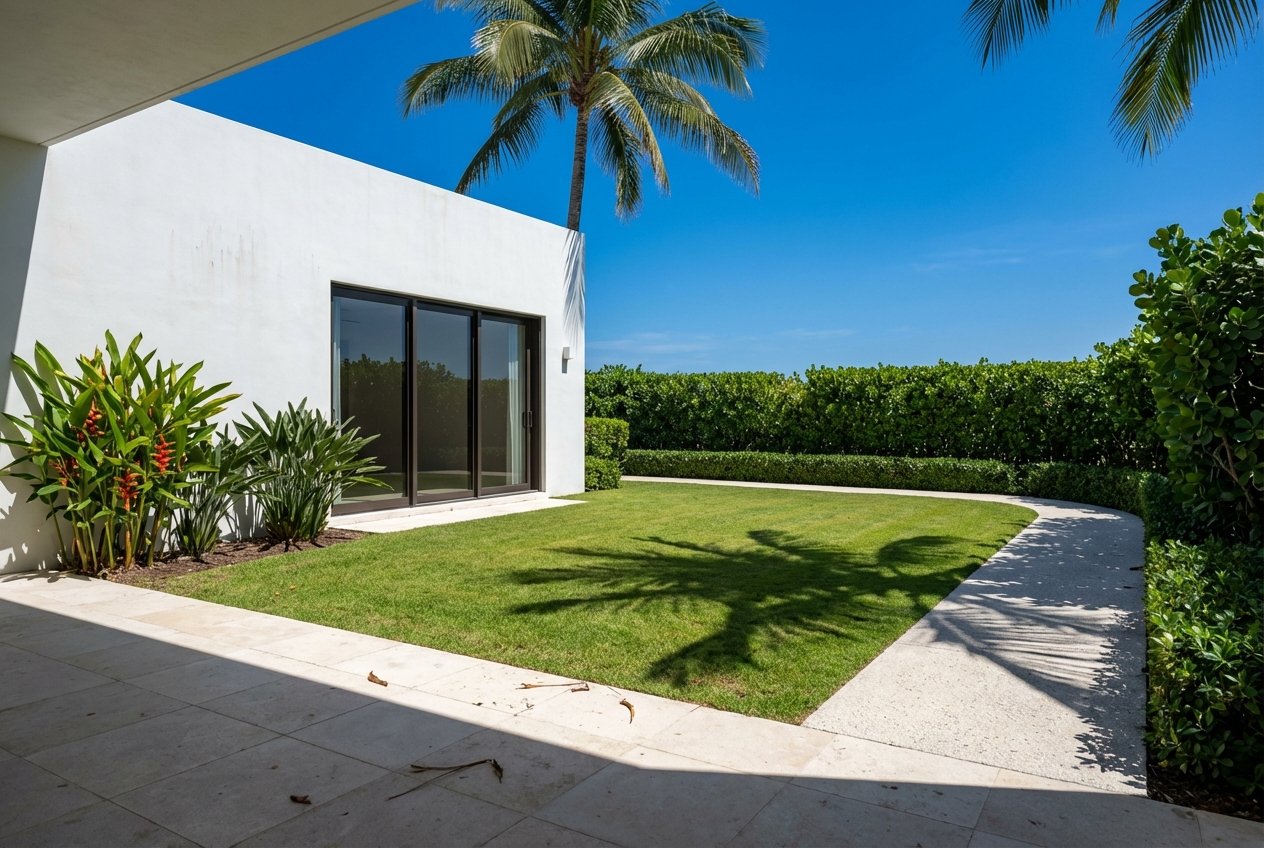
Inland neighborhoods and the town center offer a more traditional residential fabric and often lower HOA exposure. Single-family homes and townhouses can provide yard space and value for families who want a local-community feel. You will still want to confirm utilities, internet options, and commute routes to PR-22.
Golf-course and planned communities
For golf and club amenities without a full resort environment, planned communities can be a good match. Expect architectural controls, private facilities, and a range of custom homes or estate lots. Review membership rules and any guest or leasing policies that matter to your plans.
Inventory and what to expect
Ultra-luxury supply can be limited, while condos and family homes offer more options. Many relocators want fully furnished corporate leases at first, and certain communities are set up to deliver that. Local agents with Dorado and Act 60 experience can help you understand community rules, match you to off-market opportunities, and move quickly on quality inventory.
Rent or buy first?
There is no one-size path, but a common approach is to lease first, then buy. Leasing supports residency documentation and gives you time to explore neighborhoods, schools, and commute patterns. A 6 to 12 month lease is typical for establishing a primary residence while you complete paperwork and refine your search.
Buying early can make sense if you already know the area and have clear timing from your advisors. Ownership may simplify certain documents, and cash buyers can close faster than financed purchases. The tradeoff is commitment. If you are still learning the market, a lease is a low-risk way to confirm fit before you purchase.
Consider these quick filters as you decide:
- Lease first if you want flexibility, a furnished setup, and time to compare communities
- Buy sooner if you know the neighborhood and product type, have clear timing guidance, and are ready for ownership costs
- In both cases, align your plan with the residency dates your tax advisor recommends
A practical timeline that works
Here is a phased sequence many Dorado relocators use. You can compress or extend it based on your plans and your advisor’s guidance.
- Phase 0: Pre-move planning (1 to 3 months)
- Retain Puerto Rico tax counsel familiar with Act 60
- Engage a Dorado-focused agent and begin property research
- Schedule an exploratory visit to tour communities and sample short-term stays
- Phase 1: Arrival and temporary accommodation (1 to 3 months)
- Use short-term housing while you scout neighborhoods and services
- Confirm commute times via PR-22, proximity to daily amenities, and school or healthcare needs
- Phase 2: Lease to establish local home and documentation (3 to 12 months)
- Secure a 6 to 12 month lease that clearly states your primary residence address
- Turn on utilities in your name, obtain a Puerto Rico driver’s license or ID, open local bank accounts, and transfer personal belongings
- Phase 3: Purchase and closing (30 to 120 days after offer)
- Cash deals can close faster than financed transactions
- Time your closing based on the key residency dates your advisors outline
- Phase 4: Post-purchase follow-through
- Update records with your deed and new address
- Notify your advisors for any filings and next steps that apply
Due diligence for Dorado properties
Whether you lease or buy, move through a disciplined checklist. The coastal climate and community rules can affect insurability, upkeep, and your ability to document residency.
- Title and deed review
- Use a local real estate attorney or title company to confirm ownership, liens, easements, and surveys
- Insurance and storm risk
- Confirm hurricane and wind coverage requirements and premiums
- Check FEMA flood zones and elevation certificates for coastal properties, since flood exposure can affect cost and availability
- Structural and storm-hardening features
- Look for shutters, impact windows, roof condition, and elevated mechanicals
- Some features may be required by insurers or HOAs
- HOA covenants and rental rules
- Review leasing restrictions, guest policies, renovation approvals, and any special assessments
- Utilities and services
- Verify water source, sewer type (municipal or septic), and internet options because broadband can vary by neighborhood
- Security and staffing
- Gated communities usually offer security and optional property management
- Outside resort areas, budget for private security, landscaping, and housekeeping if needed
Lifestyle, commute, and services
If you expect frequent trips into San Juan, PR-22 is your main route. Drive times vary by time of day, so test the commute during your typical travel windows. For flights, plan for a drive to Luis Muñoz Marín International Airport that is commonly under an hour depending on traffic.
Families often evaluate private and bilingual school options early, including enrollment timelines and transportation. Healthcare access ranges from local clinics and urgent care in Dorado to major hospitals and specialists in the San Juan area. If club access is important, confirm membership rules and guest policies before you commit to a community tied to golf or resort amenities.
On the day-to-day front, check the availability and quality of broadband and cell coverage at each property. Also map dining, shopping, and routine services that matter for full-time living. If you plan to split time between the island and elsewhere, ask about professional property management and staffing.
Leasing strategies that support residency
Short-term furnished rentals can bridge your first weeks while you explore. Corporate-style rentals and fully furnished units in the 30 to 90 day range are common. For residency documentation, most clients step into a longer lease that puts utilities and mail in their name.
When you negotiate, consider these terms:
- Early-exit or purchase-option language if you expect to buy soon
- Clarity on which utilities you must put in your name and how service transfers will work
- Maintenance responsibilities, landscaping, pool service, and any HOA compliance obligations
- Guest, pet, parking, and subleasing rules, especially in resort or condo settings
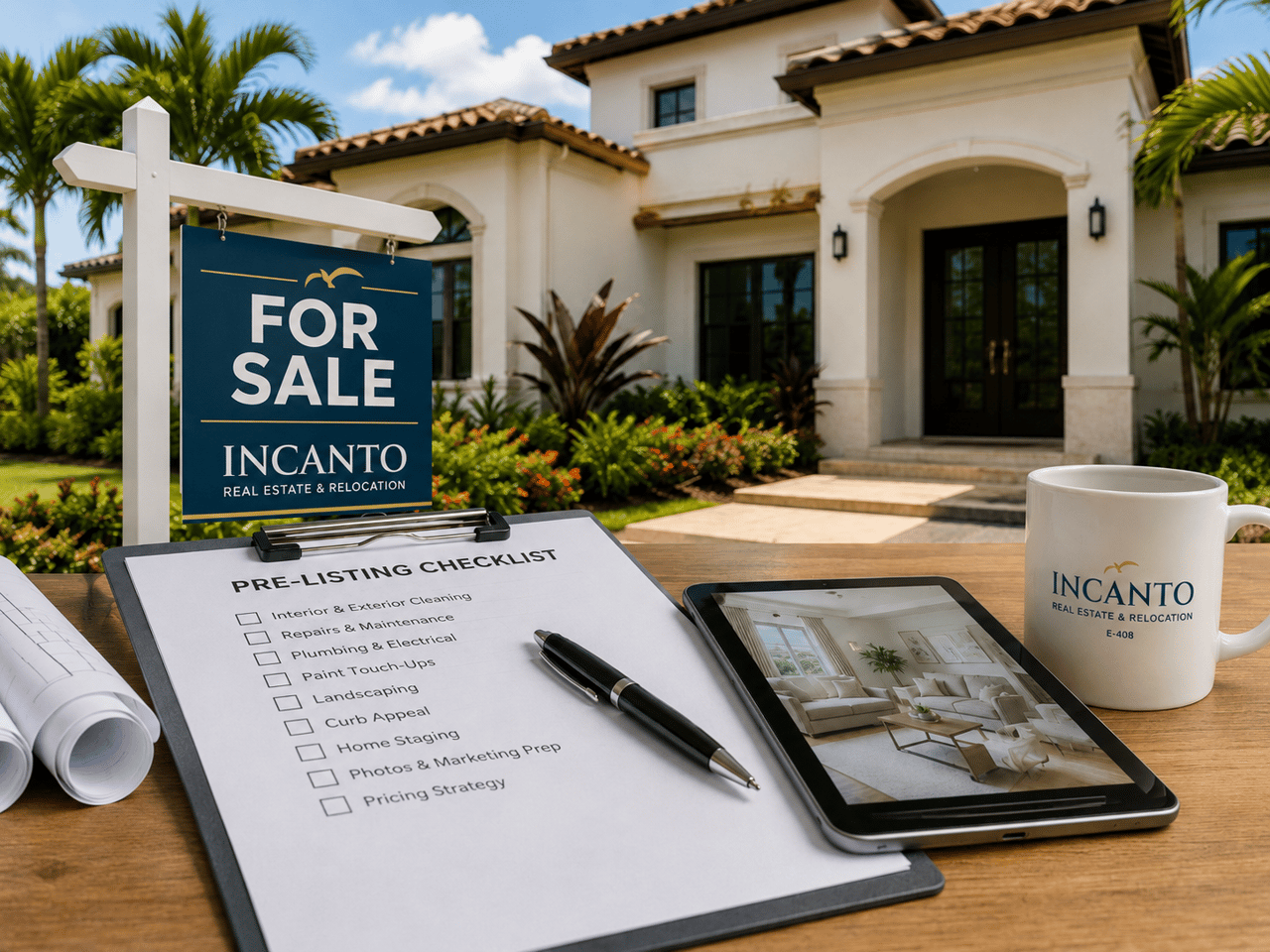
Quick-start housing checklist
Use this list to track the essentials as you plan your Dorado move.
- Before arrival
- Retain a Puerto Rico tax advisor familiar with Act 60
- Engage a Dorado-based agent with relocator experience
- On initial visits
- Tour resort, condo, suburban, and golf communities to compare fit
- Test commute routes and confirm broadband availability by address
- Evaluate hurricane mitigation features, elevation, and flood exposure for each property you tour
- When leasing
- Choose a lease that allows utilities in your name and establishes a clear primary residence address
- Keep detailed physical presence records, including travel logs and calendars
- When buying
- Order a comprehensive title search and survey
- Confirm insurance availability and premiums for hurricane and flood coverage
- Review HOA documents for leasing, guest policies, and special assessments
- Ongoing
- Maintain local bank accounts, driver’s license or ID, and contemporaneous utility bills in your name
- Coordinate closing timing and documentation updates with your advisors
The bottom line
If you align your lease or purchase with a clear residency plan, Dorado can offer a smooth landing and a lifestyle that fits how you live and work. Focus on neighborhoods that match your commute and amenities, confirm insurance and flood risk early, and use a lease-first approach if you want flexibility. With the right local team, you can move from scouting to keys-in-hand with confidence.
Ready to map your move with a concierge plan that fits Act 60 timing and your lifestyle goals? Connect with INCANTO Real Estate & Relocation for expert, high-touch guidance in Dorado, from rentals and neighborhood tours to turnkey purchases. Book Your Call with our team when you are ready to explore options.
FAQs
Do I need to buy a home to qualify for Act 60 residency in Dorado?
- No. Many clients use a local leased primary residence to support their residency position, but legal tests are multifactorial and should be confirmed with a tax attorney.
How long should I lease in Dorado before buying under Act 60?
- A 6 to 12 month lease is common while you complete documentation, test commute patterns, and confirm neighborhood fit, though individual needs vary.
Are resort or gated communities acceptable for Act 60 residency documentation?
- Yes. These can work well if you can obtain typical documents such as utilities in your name and a local ID, and if HOA rules do not limit your ability to establish domicile.
What are the biggest housing risks to evaluate in Dorado?
- Flood and hurricane exposure, insurance availability and cost, HOA covenants and leasing rules, title and deed clarity, and broadband or utility limitations by address.
How long does a purchase take after I make an offer in Dorado?
- Many purchases close in 30 to 120 days depending on financing, inspections, title work, and underwriting, while cash transactions can close faster.