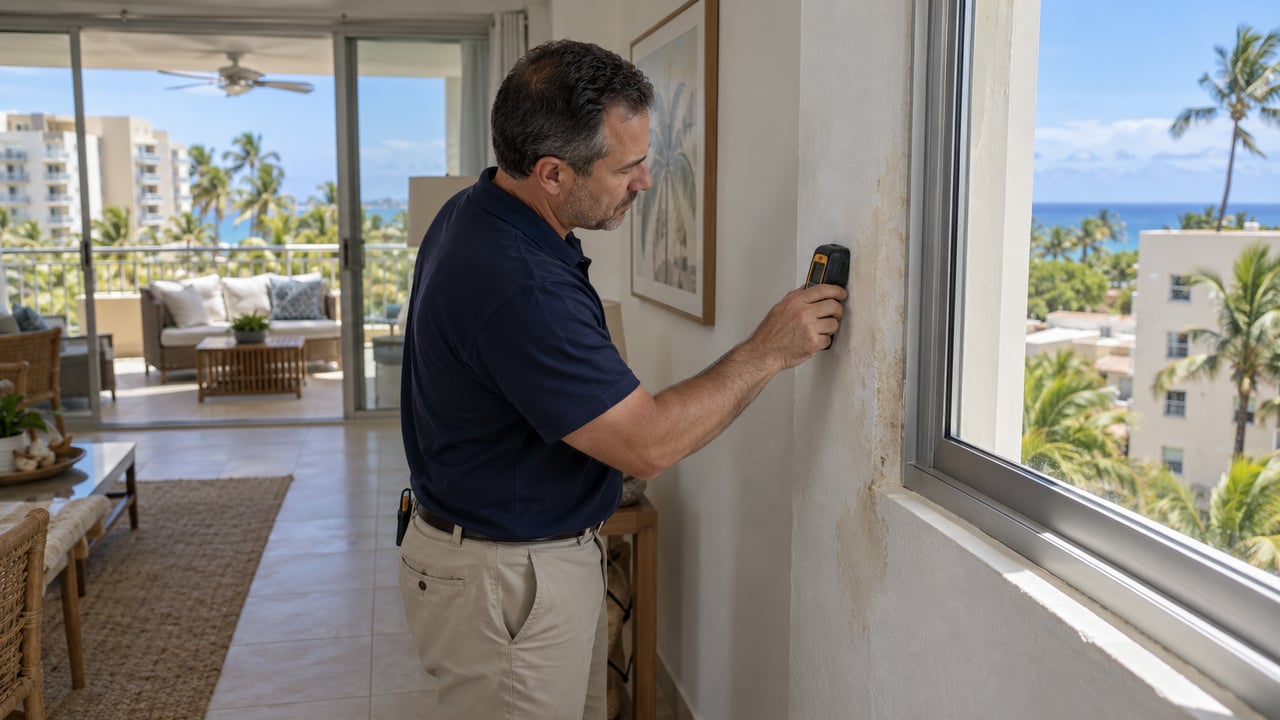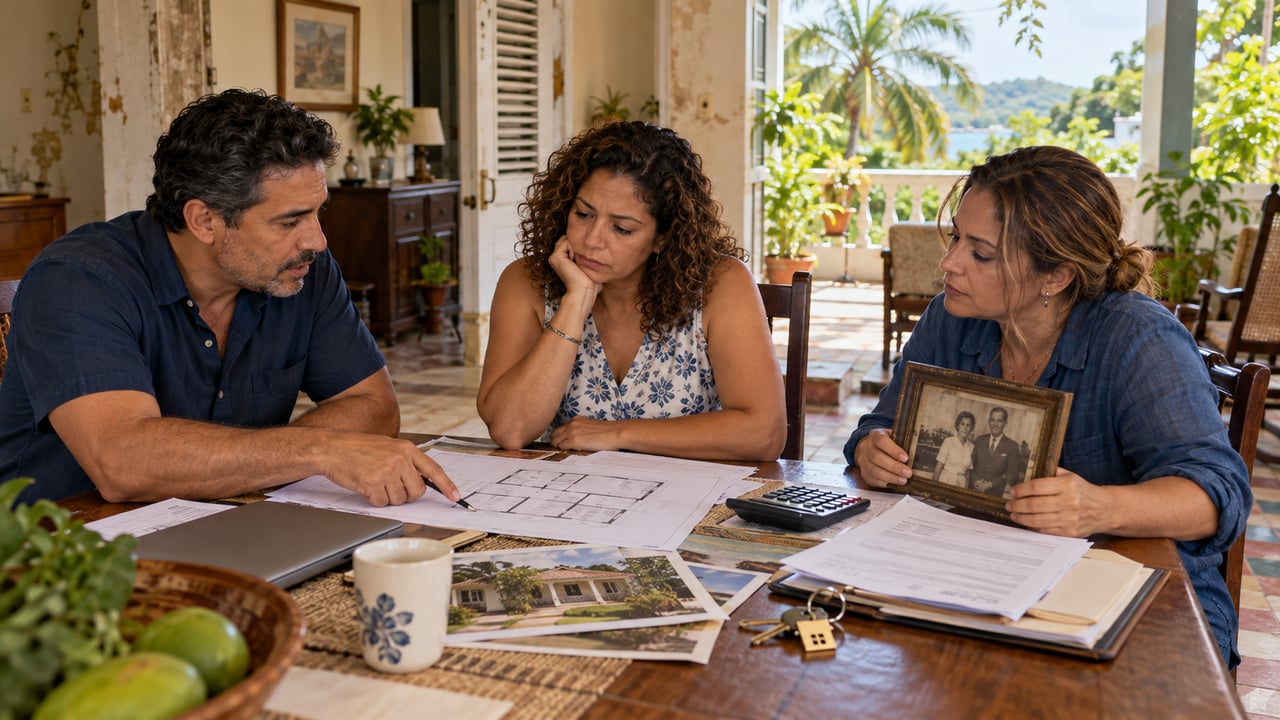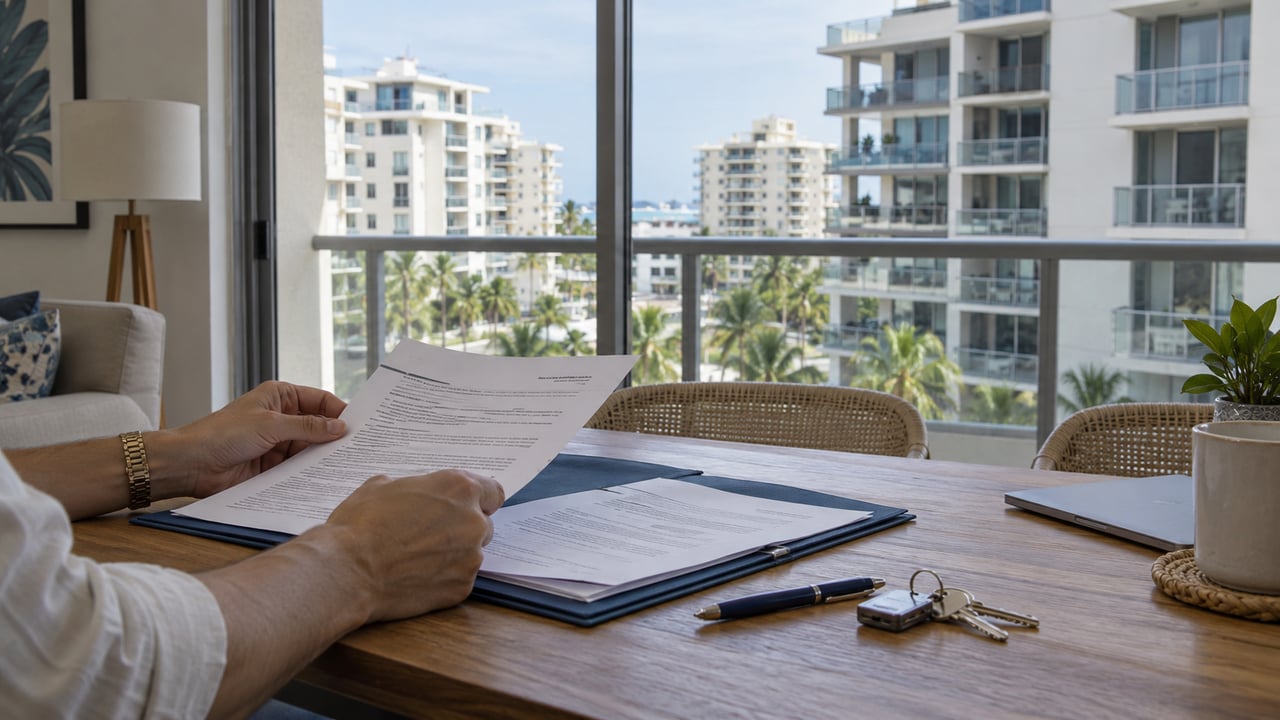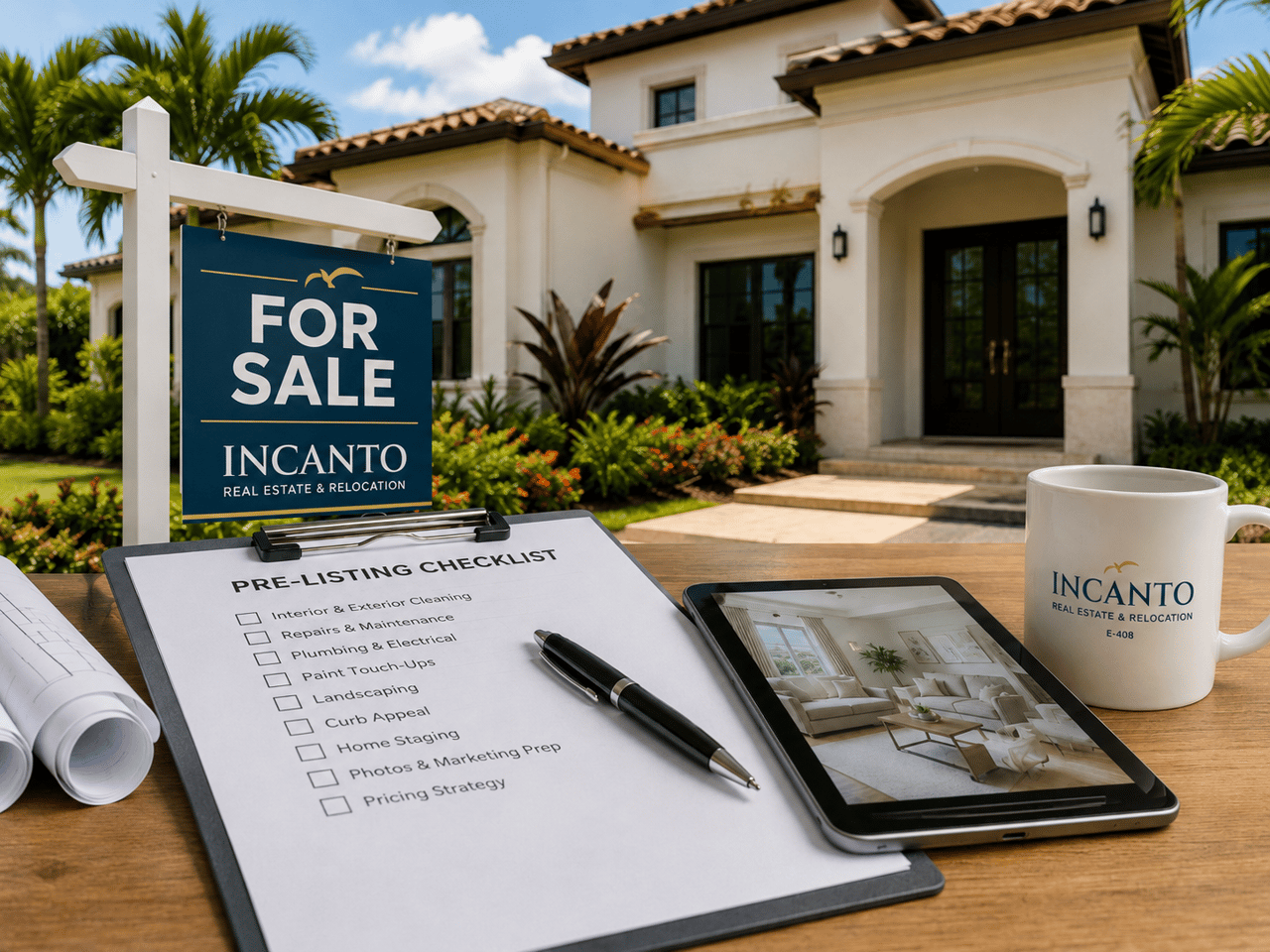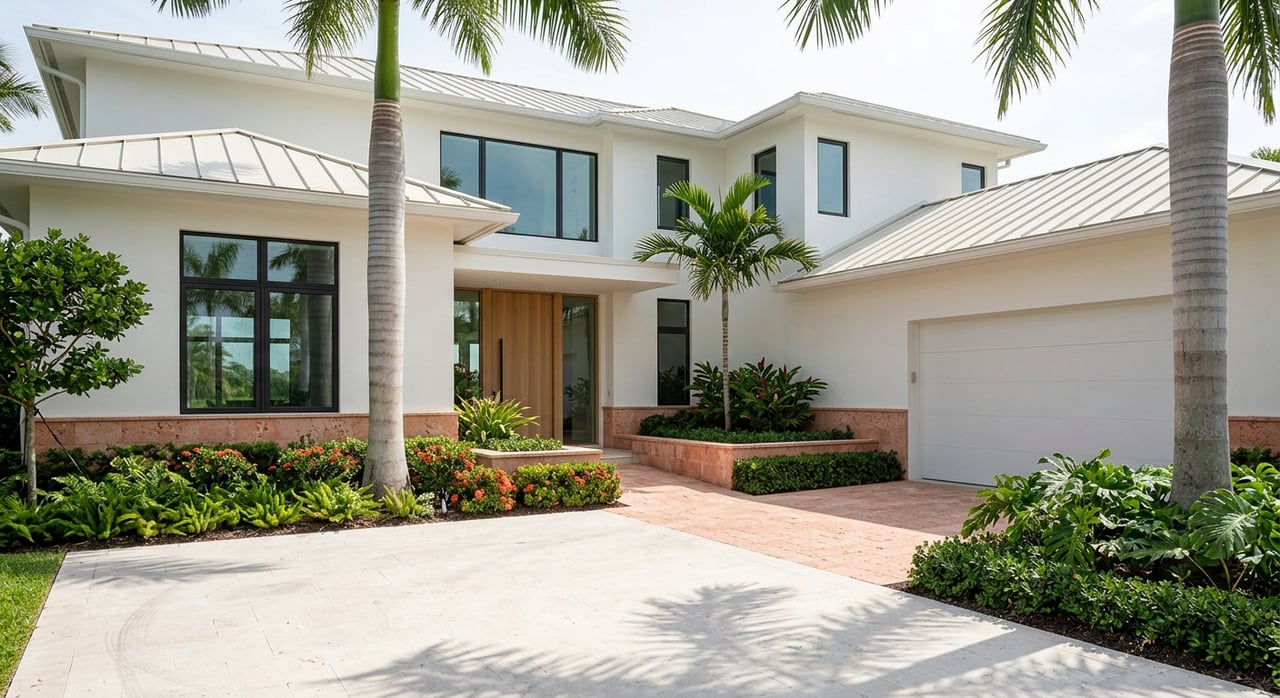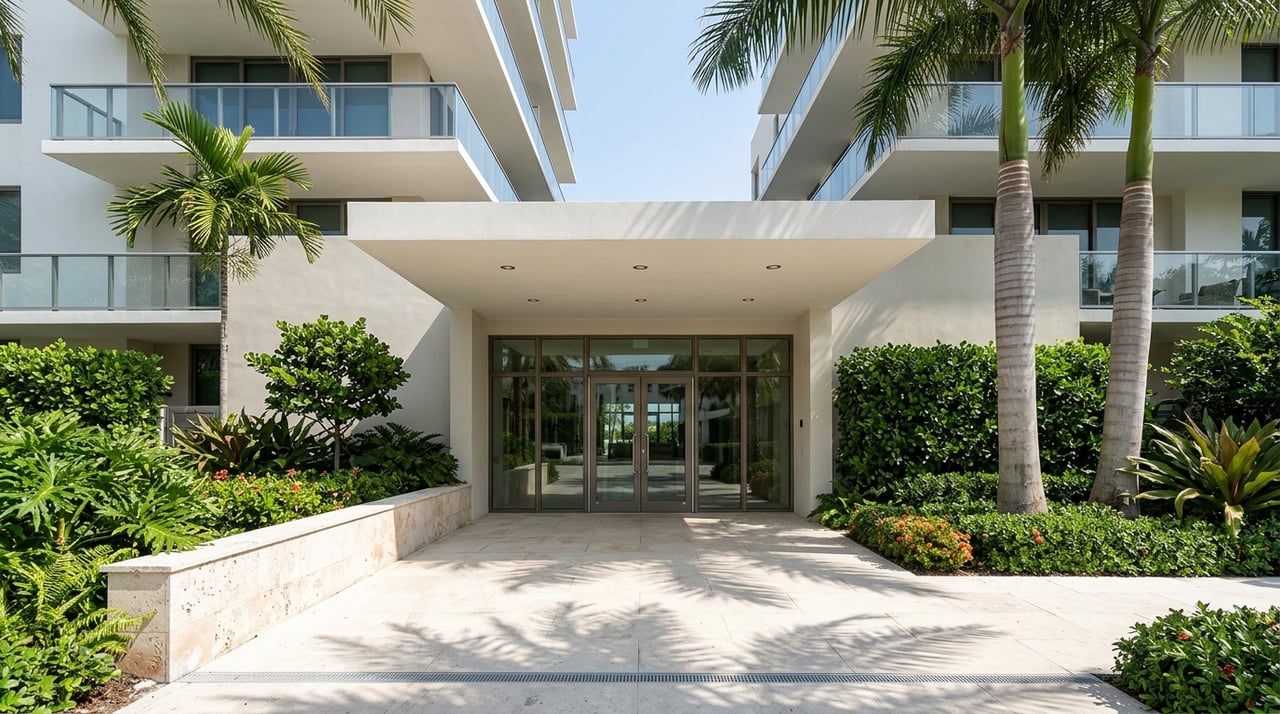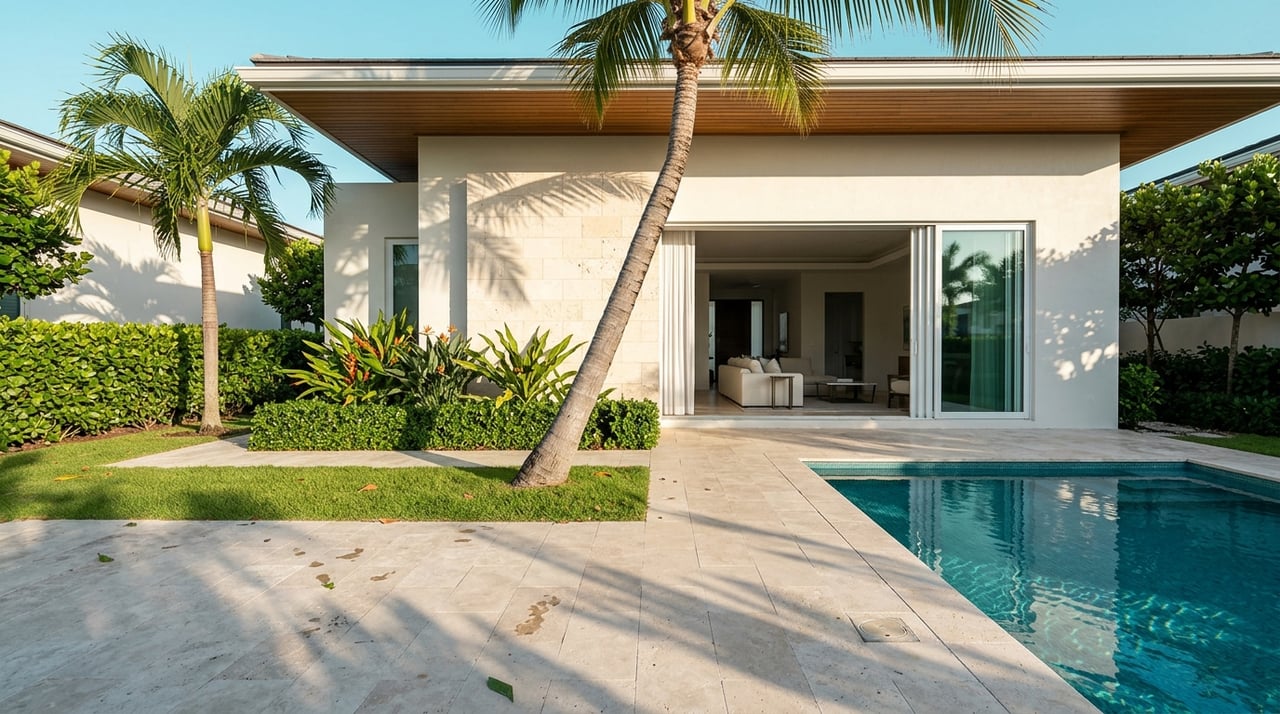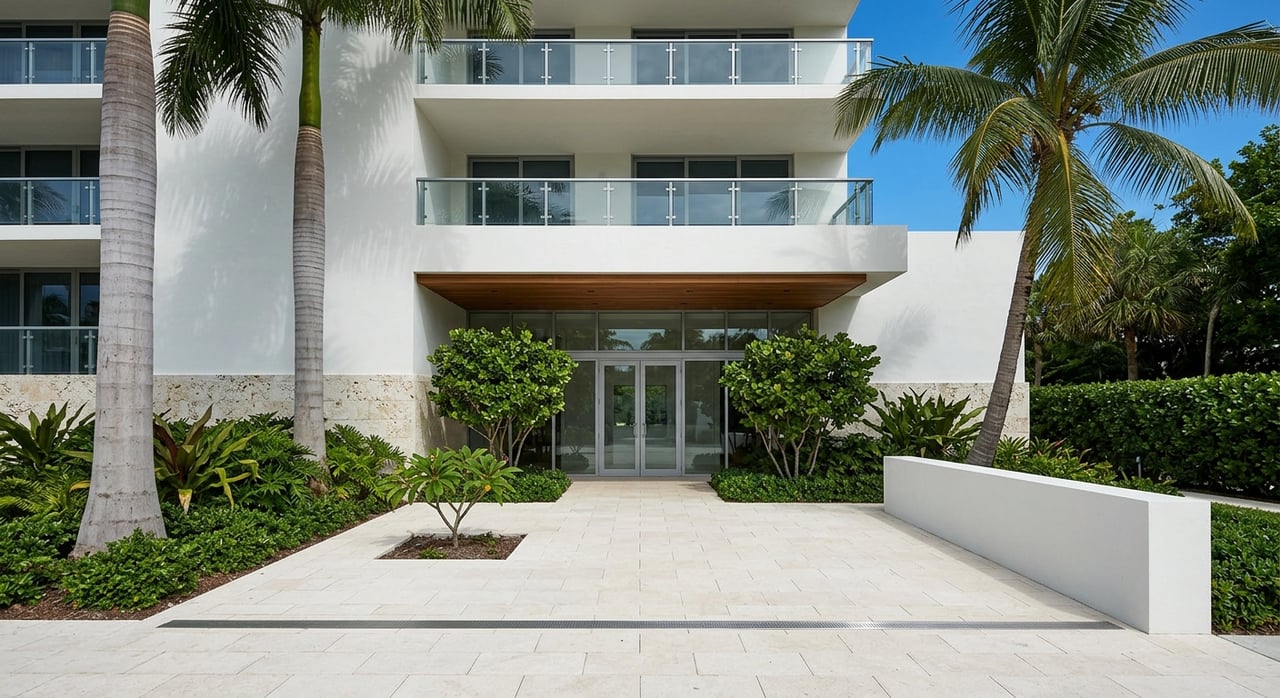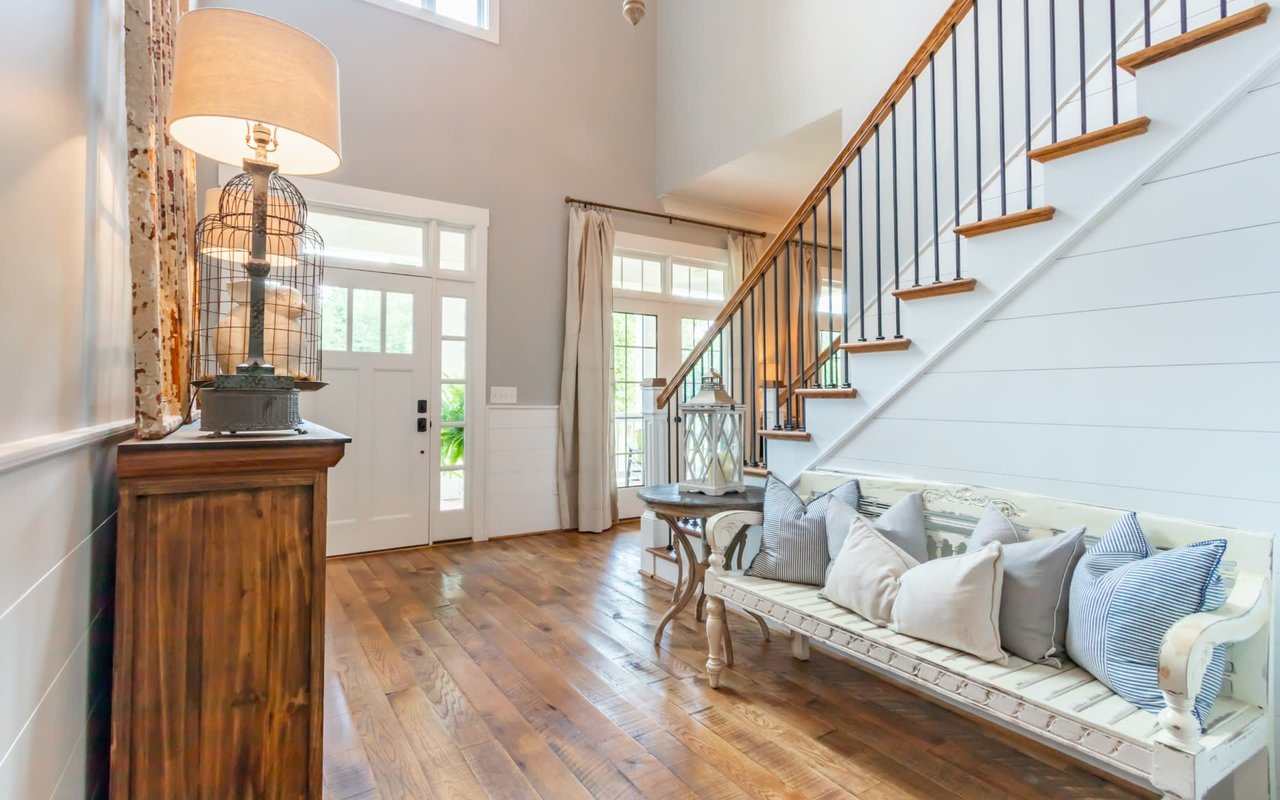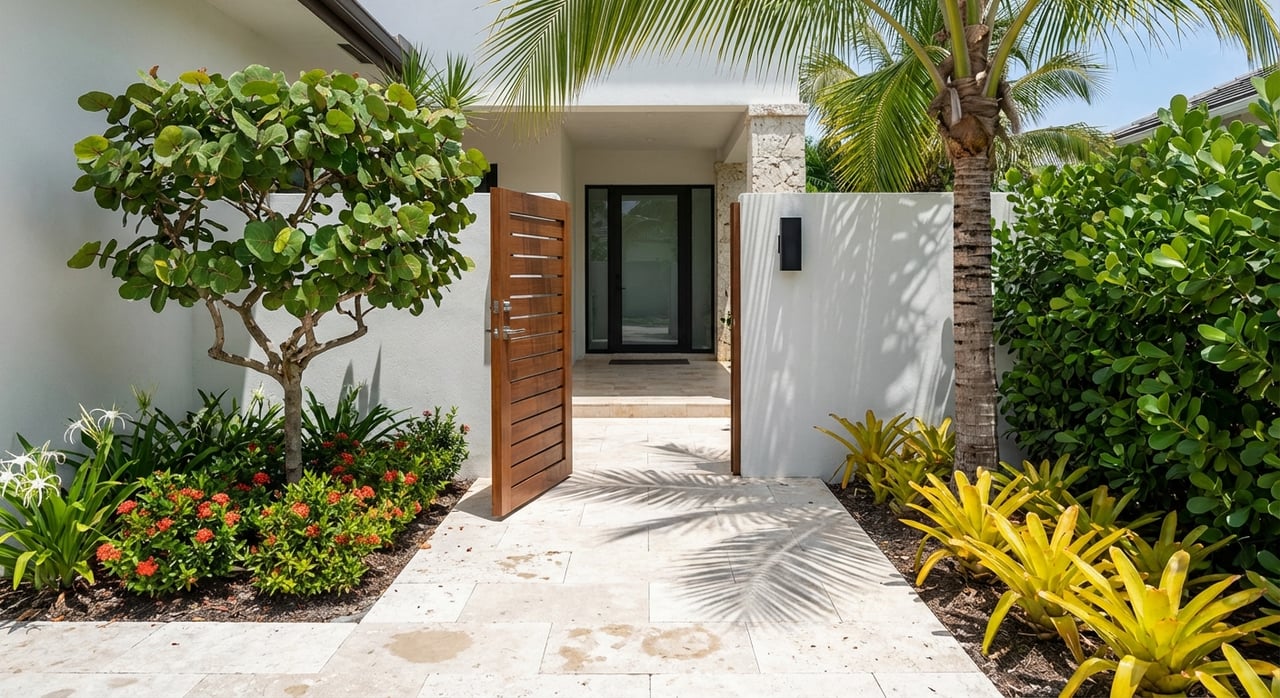
Are Act 60 relocators the right buyers for your Dorado luxury home? If you own in Dorado Beach or a nearby enclave, you sit in one of Puerto Rico’s most coveted markets for high‑net‑worth movers who value privacy, amenities, and favorable tax treatment. You want a smooth sale at a premium price, with discretion and clean paperwork. In this guide, you’ll learn how Act 60 influences buyer behavior, what to prepare before you list, and how to structure terms that protect you while keeping closing timelines on track. Let’s dive in.
Act 60 basics that shape buyer behavior
Act 60, the Puerto Rico Incentives Code, gives qualifying “Resident Individual Investors” powerful exemptions on certain passive income and special treatment for capital gains recognized after becoming a resident. These rules are codified and include program windows and documentation requirements. You do not need to master the tax code, but you should understand what motivates these buyers and why timing matters. Review the official text of Act 60 (Puerto Rico Incentives Code) when you want source detail.
Why this matters to your sale
- Interest and dividends earned after Puerto Rico residency are exempt under Act 60 within program windows. That increases after‑tax income for many relocators.
- Capital gains on appreciation that occurs after the buyer becomes a Puerto Rico resident, and is recognized within program timelines, are generally exempt. Pre‑residency appreciation can receive special low flat rates during specified windows under the Code.
- Practical effect: some buyers have greater willingness to pay and may push for quick closings to align with residency and Decree timing. You should expect timing requests and document checks tied to a buyer’s status under the program. The Code sets the rules, and buyers typically act with adviser guidance.
For residency status, U.S. citizens rely on the “bona fide resident” tests that include presence, tax home, and closer connection. If a buyer’s offer references tax timing or Decree conditions, ask for written confirmation from their tax adviser or a Decree copy. You can review the residency framework in IRS Publication 570.
Decree obligations that can affect your timeline
Some Decree holders must acquire a Puerto Rico primary residence within a defined period and attest that the seller is not a related party, per the Code. These buyer obligations can drive offer structure, documentation requests, and deadlines. See the program conditions in the Act 60 Code, and align your contract timeline with any buyer representations.
Why Dorado attracts Act 60 buyers
Dorado Beach and its associated resort residences pair protected coastline, golf, and a service‑oriented lifestyle that resonates with high‑net‑worth relocators. The enclave and branded residences have been profiled for exceptional amenities and privacy, consistent with a premium resort neighborhood. For a sense of the offering, see the resort overview in Forbes Travel Guide’s profile of Dorado Beach, a Ritz‑Carlton Reserve.
At the very top of the market, media coverage has highlighted trophy homes and record‑level listings, which signals strong demand in a limited‑inventory segment. A recent example is a widely reported penthouse asking price in Dorado that aimed to set a new residential record, as covered by Floricua News. For you, that means quality listings can command attention and move quickly when they are positioned well.
Pricing strategy for an Act 60 buyer pool
You are not pricing a commodity. You are offering a rare lifestyle asset in a resort community where privacy, services, and brand matter. Act 60 can heighten perceived value because buyers plan for long‑term after‑tax gains and cash flow benefits.
- Use recent, relevant comparables within Dorado’s resort enclaves, then layer qualitative premiums for view corridors, privacy, outdoor living, and proximity to amenities.
- Expect cash‑capable interest. Be prepared to justify price with a tight property packet and a clear story of lifestyle value. Your goal is to make it simple for a buyer to say yes.
- If a buyer’s tax timeline is urgent, that urgency can support firmer pricing. Tie any schedule concessions to verified Decree or residency documentation.
Prepare your documents before you list
Serious buyers in this segment move fast once they have confidence. Give them a clean runway by packaging the items they and their advisers will request.
- Title and deed, plus a certified title search or “certificación registral” from the Registro de la Propiedad.
- CRIM property‑tax status and receipts, including any municipal lien clearances. Hacienda’s circular on certifications provides context for municipal documentation and procedures; see Puerto Rico Treasury’s circular.
- HOA or community materials: bylaws, budgets, assessments, membership rules, and any club transfer conditions.
- Permits, final approvals, surveys or floor plans, and any professional inspection reports.
- Recent utility bills, property management agreements, staffing or operating cost schedules if applicable.
These items help the notary and registry process move smoothly and help you avoid surprises. For a practical overview of Puerto Rico closing steps and timing, review this real estate buying and closing guide.
Stage for resort‑minded, privacy‑focused buyers
You sell more than square footage. You sell a lifestyle that lives outdoors and behind the scenes with strong services.
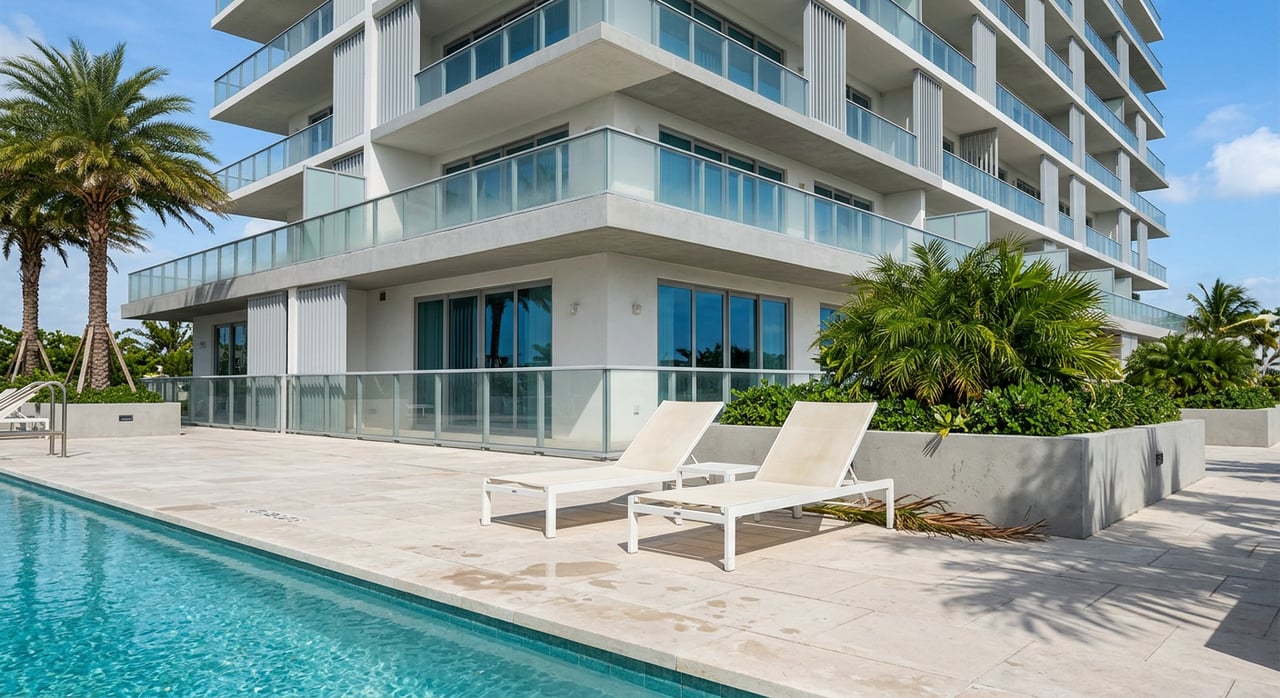
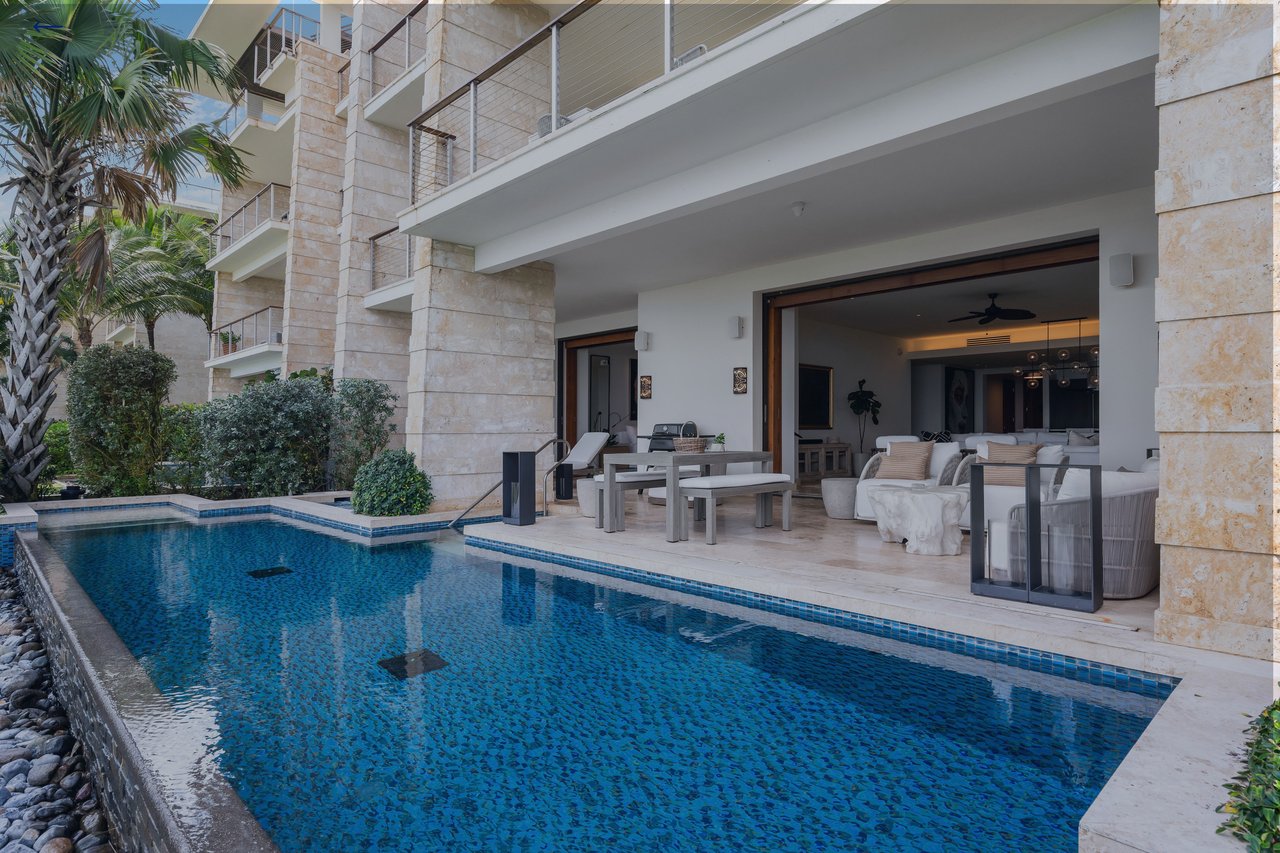
- Emphasize outdoor living: shaded terraces, pool settings, dining nooks, and golf or beach adjacency. Curate moments that feel turnkey and livable.
- Highlight privacy: gated entries, landscape buffers, dedicated guest or staff spaces, and discreet arrival paths.
- Showcase service infrastructure: staff quarters, secure storage, generator or backup utilities, and any smart‑home systems that support full‑time living.
- Include an amenity snapshot: membership access, resort services, golf, and estimated carrying costs. A one‑page “amenity and costs” summary builds trust and speeds decisions.
Market with discretion and control
Many Act 60 relocators prefer private channels and a controlled process.
- Consider pre‑marketing to qualified brokers, relocation advisers, and family offices. Use NDAs for sensitive showings and limit collateral circulation until proof of funds is verified.
- Be open to buyer entities such as LLCs or trusts for privacy, while confirming signers and beneficial owners for your contract. If the buyer relies on Act 60 for a primary residence requirement, confirm the entity structure still lets them comply.
- Set ground rules in writing for photography, data‑room access, and any nondisclosure expectations.
Offer terms that protect you and keep momentum
Strong offers in this segment are clear on money, timing, and documentation.
- Require verified proof of funds and a meaningful, non‑refundable deposit after due diligence.
- If a buyer’s price or timing claims hinge on Act 60, request a copy of the Decree or a CPA letter confirming the plan and deadlines.
- Include a representation about whether seller and buyer are related parties, since some Decree holders must purchase from an unrelated seller. A clear representation protects both sides.
- Spell out closing timeline, deed execution, and registry steps. Coordinate with a local notary and attorney for Puerto Rico conveyances so the schedule is realistic.
Understand withholding and tax holdbacks at closing
Puerto Rico law may require the buyer to withhold a portion of the payment when the seller is a nonresident individual. The Puerto Rico Internal Revenue Code outlines this withholding regime, and procedures can result in refunds if the seller proves compliance. Because rules and percentages have evolved, confirm the current rate and process with counsel and Treasury before you sign a contract. You can review the statutory framework in the Justia reproduction of the withholding provision.
Best practice for sellers who are nonresidents: negotiate an escrow holdback or a certified withholding procedure that satisfies both parties and prevents future liabilities. For resident sellers, clarify in writing how any estimated tax obligations will be handled so the buyer is protected against later claims.
Closing mechanics and timing in Puerto Rico
Closings are completed by signing a public deed before a notary, then recording at the Registro de la Propiedad. Full recordation can take weeks after signing. Align your escrow instructions so funds release, deed execution, and registry submission are synchronized. For practical expectations on timing and roles, see the Puerto Rico real estate closing guide.
Timeline planning when the buyer has a Decree
Act 60 buyers may be working toward presence tests and program windows that affect when they want to close. Some Decrees require acquisition of a primary residence within a defined period, and buyers often need to evidence that the seller is unrelated. Anchor your acceptance and any concessions to written proof so the schedule does not slip and you are not holding the risk of a missed deadline. The Code itself explains these conditions, so if a buyer asks for flexibility based on the program, you can point to the Act 60 text and ask their adviser to confirm details in writing.
A simple seller checklist
- Order a certified title search and request CRIM and municipal tax clearances.
- Assemble permits, HOA documents, inspections, surveys, and utility records into a clean data pack.
- Stage for resort living, privacy, and service readiness. Prepare an amenity and cost summary for qualified buyers.
- Pre‑qualify buyers and require proof of funds. If Act 60 matters to the offer, request the Decree or a CPA letter.
- Address withholding or tax holdbacks in the contract, and agree on escrow mechanics with counsel.
- Work with a local real estate attorney, a Puerto Rico tax adviser, and a broker experienced in Dorado luxury inventory and confidential marketing.
Ready to calibrate price, timing, and privacy for your Dorado sale? Our boutique team pairs luxury listing expertise with relocation advisory for Act 60 movers, so your process stays clear and controlled from the first showing to deed recordation. If you are thinking about listing or exploring a private sale, connect with INCANTO Real Estate & Relocation to plan your next step.
FAQs
What is Act 60 and why do Act 60 buyers pay premiums in Dorado?
- Act 60 offers tax exemptions on certain passive income and favorable capital‑gains treatment after Puerto Rico residency, which increases after‑tax wealth and often supports higher willingness to pay for lifestyle properties; see the Act 60 Code.
How do residency rules affect my buyer’s closing timeline?
- Buyers must meet “bona fide resident” tests, and some Decrees impose purchase timelines, so many aim to close quickly once they find the right home; review IRS Publication 570 for residency tests.
What documents should I prepare before listing a Dorado luxury home?
- Gather title and registry certifications, CRIM tax status, HOA documents, permits and inspections, and recent utilities or operating costs to support a fast, confident review.
How are Puerto Rico closings different from stateside closings?
- Sales finalize by public deed before a notary, then record at the Property Registry; plan for several weeks for full recordation and align escrow and fund transfers accordingly, as outlined in this closing guide.
Do buyers need to purchase from an unrelated seller under Act 60?
- Some Decree provisions require acquisition from an unrelated seller and purchase of a primary residence within a defined period, which can shape offer structure; confirm details in the Act 60 Code.
Will there be tax withholding at my closing if I live outside Puerto Rico?
- The Code requires buyer withholding on payments to some nonresident sellers, with procedures for refunds upon proof of compliance; verify current rates and steps with counsel and see the Justia summary of the statute.