Buying or selling in San Juan comes with a big question: what will you actually pay at closing. You want a clear, realistic budget so there are no surprises on signing day. In this guide, you will learn the common closing costs in Puerto Rico, how the notary and registry fees work, and what changes for condos, houses, and new construction. You will also see the key inputs you need to build a reliable net sheet. Let’s dive in.
What closing costs cover in Puerto Rico
Closing costs are the fees and taxes needed to transfer ownership and, if applicable, to record a mortgage. Some items are standard across Puerto Rico, while others vary by property type and loan status. Who pays what is often set by custom or negotiated in the contract.
Typical seller costs
- Real estate commission paid per the listing agreement, usually the seller’s largest cost.
- Notary and attorney items for the seller’s side, which can include document preparation and any lien releases.
- Registry fees to cancel existing mortgages or liens and to obtain required certificates.
- Income or capital gains taxes on any gain, when applicable. The seller should consult a tax advisor for guidance.
- Miscellaneous items like courier, certification copies, and municipal or notarial certificates.
Typical buyer costs
- Notary fees for drafting and notarizing the deed, and for the mortgage documents if financed.
- Government stamps or documentary taxes required on certain documents.
- Registry fees to record the deed, the mortgage annotation, and to obtain certificates.
- Lender charges if financed, such as application, appraisal, credit report, and underwriting.
- HOA and condo items like an estoppel letter and any transfer or administrative fees.
- Inspections and, when needed, surveys or specialized reports.
- Prorations for property taxes, utilities, and HOA dues based on the closing date.
Notary and registry fees explained
Understanding notary fees and registry charges is key to building an accurate budget in San Juan.
Notary fees and who pays
Notary fees in Puerto Rico follow an arancel, a regulated fee schedule that scales with transaction value. The notary prepares and notarizes the deed of sale, reads and explains the document, verifies identity, and often coordinates with the registry for submissions. In financed deals, the notary also prepares and notarizes the mortgage documents.
Who pays is often negotiated. Buyers commonly pay for the deed and mortgage notary work, while sellers may cover their own notarial tasks. The best practice is to confirm the allocation in your contract and to request a written estimate from the closing notary.
Registry fees and certificates
The Registro de la Propiedad charges fees to record the deed of sale, the mortgage, and any cancellations. The registry also issues official certificates, such as ownership and no liens, which carry fixed administrative fees. Registration is what makes you the public legal owner, so prompt filing matters. Fees are tied to declared values and the number of actions recorded.
Documentary stamps and taxes
Some deeds and documents require stamps or documentary taxes administered by the Puerto Rico Treasury Department. How these apply depends on the type of instrument and the declared amount in the deed. Parties often negotiate who pays, and exemptions or special treatments can exist. Always verify current rules with your notary or tax advisor.
Mortgage vs cash: cost differences
Financed purchases include lender charges and mortgage recording costs that cash buyers do not pay. With a mortgage, you should expect an appraisal ordered by the lender, a credit report, underwriting or origination fees, notary work for mortgage documents, and a separate registry fee to record the mortgage.
Cash buyers avoid lender-related costs but still pay notary fees for the deed, registry fees for recording, and any required taxes and certificates. Cash does not eliminate HOA, inspection, proration, or municipal items.
Condo, house, or new build in San Juan
San Juan’s mix of high-rise condos, historic homes, and new developments means certain closing items vary by property type.
Condominiums
Estoppel letter or certificado de pagos to confirm account status with the association.
Possible HOA transfer or administrative fees and reserve requirements.
Pro-rated monthly dues from the closing date and any agreed assessments.
Single-family homes and land
Boundary surveys or certifications are more common when land lines matter.
Older homes may call for added inspections such as roof, termite, or septic where relevant.
New construction and developer sales
Developers often use specific closing processes and notarial language.
There may be developer transfer fees and warranty documents that require review.
Prorations, HOA items, and inspections
HOA and condo certificates
Condo associations in San Juan often charge for estoppel letters and may add transfer or concierge administrative fees. Buyers and sellers should confirm who pays these charges in the purchase agreement. Associations usually require any past-due balances to be cleared at closing.
Prorations and utilities
Property taxes and municipal charges are typically prorated to the closing date. Utilities and common area charges are also prorated so each party pays only for their period of ownership. Your notary or settlement team will align this with local billing cycles.
Inspections and surveys
Buyers usually pay for inspections. Lenders may require a pest inspection along with the appraisal. In San Juan, additional inspections can be advisable for older buildings or areas with flood or moisture exposure, such as structural or mold assessments.
Timeline and what to order early
Sellers should request a mortgage payoff statement early so net proceeds are accurate.
Buyers should ask their lender for a preliminary estimate of closing costs once pre-approved.
Order notary estimates and needed registry certificates as soon as you go under contract.
Request HOA estoppel letters and any condo documents promptly, since they can take days or weeks.
Hypothetical cost snapshot: $300,000 San Juan condo
The following is a hypothetical estimate only. It shows order of magnitude and should not replace quotes from a notary, lender, HOA, or tax advisor.
Seller example: commission 5 percent equals 15,000 dollars; seller notary and closing items vary, often 1,000 to 3,000 dollars; existing mortgage payoff depends on the seller’s loan; taxes on gains vary by the seller’s situation.
Buyer example: notary and mortgage notary work 1,000 to 4,000 dollars; lender fees, appraisal, and credit 800 to 3,000 dollars; registry and certificates 300 to 2,000 dollars; HOA estoppel and transfer 100 to 500 dollars; prorations for property tax and condo dues are based on the closing date.
Build a realistic budget and net sheet
Creating a precise net sheet starts with the right inputs. If you are selling, this clarifies your net proceeds. If you are buying, it shows your cash to close and how much goes to fees, taxes, and prepaids.
Inputs an estimator needs
Sale price and closing date.
Property type, such as condo, single-family, land, or new construction.
Municipality, which helps align tax proration practices for San Juan.
Financing status: cash or loan, plus loan amount or LTV and lender fees if financed.
Outstanding mortgage payoff amounts for the seller.
Commission percentage and any concessions.
Allocation of notary and registry items, or default assumptions if not agreed.
HOA or condo details and any transfer or estoppel fees.
Any tax exemptions or special statuses the seller will claim.
Outputs you should expect
Seller net proceeds after commission, payoffs, closing costs, and taxes.
Buyer cash to close including down payment, closing costs, and prorations.
A line-by-line breakdown that marks which items are estimated and which are contractually fixed.
Quick checklist for San Juan closings
Get a written notary estimate for the deed and, if financed, the mortgage.
Confirm who pays registry fees, stamps, and any HOA transfer costs in your contract.
If you are financing, request the lender’s cost estimate and order the appraisal early.
For condos, order the estoppel letter and any building documents right away.
Schedule inspections promptly and add any specialized reports if the property warrants it.
Sellers should secure payoff statements and clear any HOA balances in advance.
Ask a tax professional about gain or withholding considerations specific to your situation.
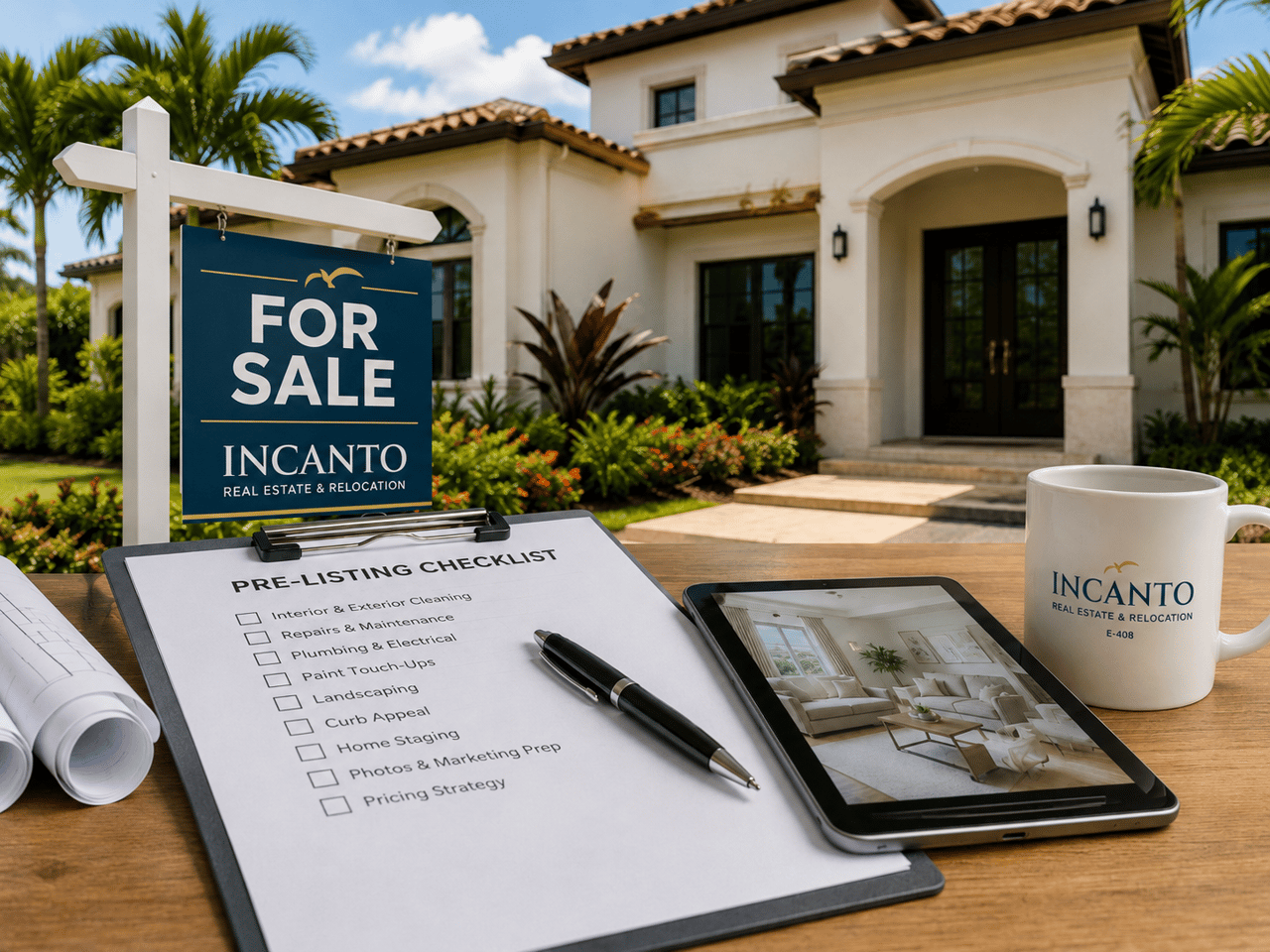
A clear picture of closing costs lets you negotiate confidently, set expectations with your notary and lender, and move to the finish line without stress. If you want help building a San Juan net sheet tailored to your deal, connect with the team at INCANTO Real Estate & Relocation. Book Your Call.
FAQs
Who typically pays the notary fee in Puerto Rico closings
- Custom varies and fees are often negotiated; confirm in your contract and get a written estimate from the notary.
Are there government stamps or transfer taxes on Puerto Rico deeds
- Yes, some documents require stamps or taxes handled by the Treasury Department; how they apply depends on the instrument and declared amount.
What mortgage-related fees should San Juan buyers expect
- Lender application or origination, appraisal, credit report, underwriting, notary work for the mortgage, and registry fees to record the mortgage.
Are there extra closing costs for condos in San Juan
- Condo associations often charge for estoppel letters and may add transfer or administrative fees, plus buyers pay prorated dues.
How long does it take to record a deed with the registry
- Timing depends on registry workloads; allow time for certificates and for the recording process to complete.
Do buyers in Puerto Rico need title insurance
- Title insurance is available and lenders often require a loan policy; buyers may also consider an owner’s policy for added protection.