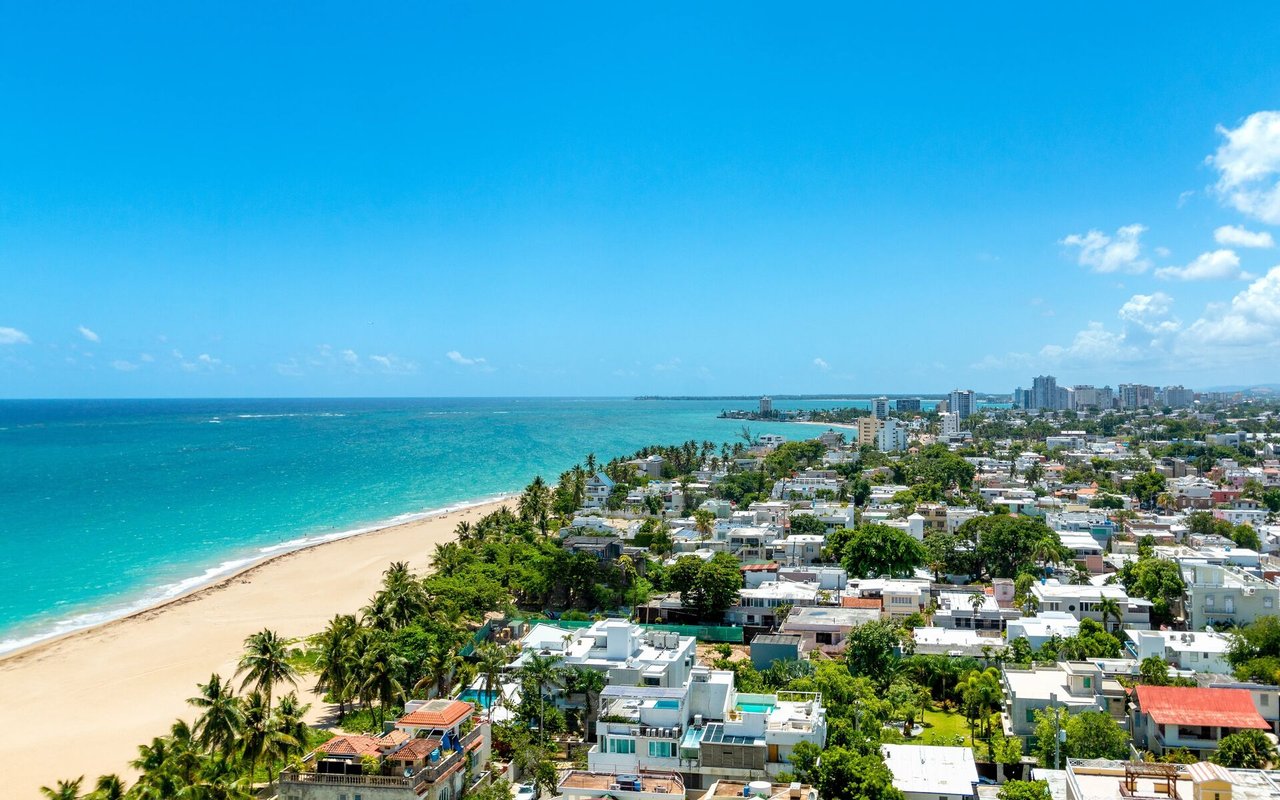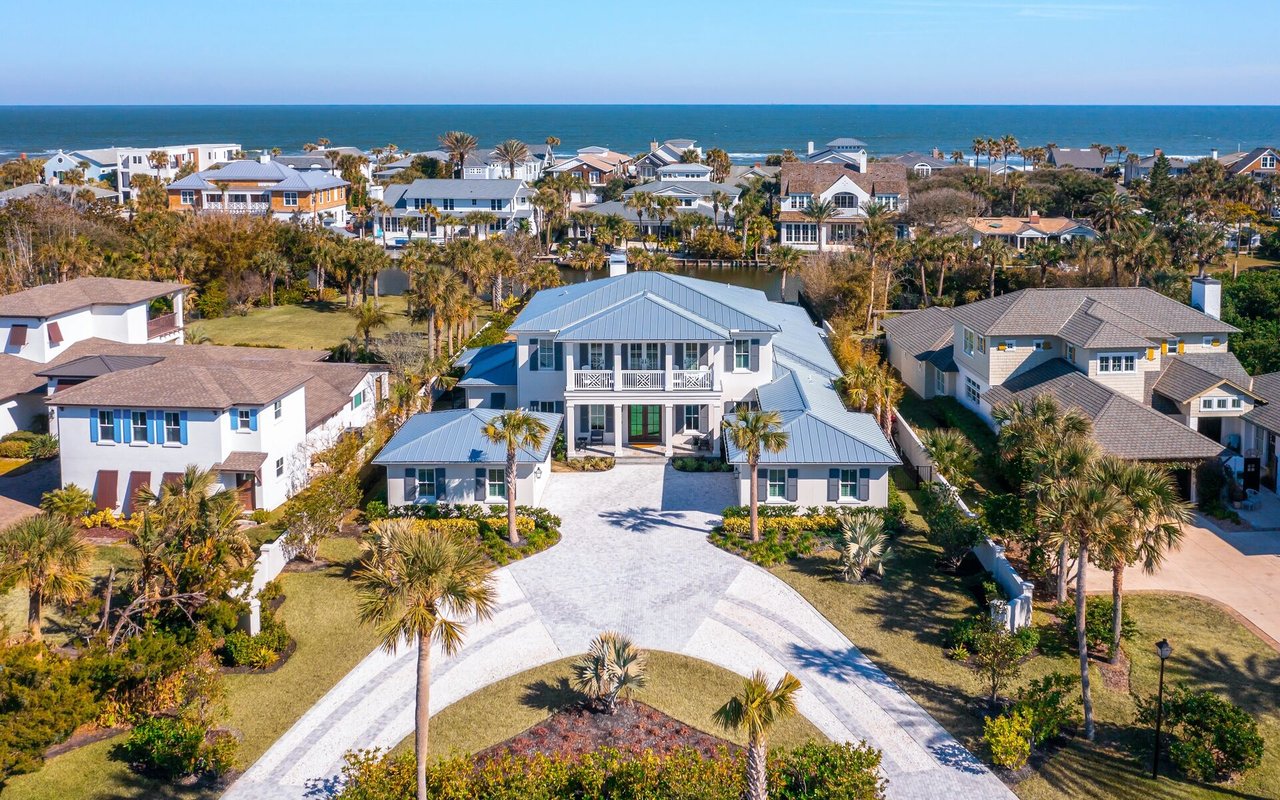
If you are planning an Act 60 move to San Juan, your home search cannot run on real estate timing alone. Your relocation also has to line up with Puerto Rico residency rules, legal documentation, banking logistics, and a closing process that works differently from many mainland transactions. When you understand that timeline up front, you can make better decisions, avoid delays, and move with more confidence. Let’s walk through the visit-to-closing sequence.
Start With The Tax Calendar
For many Act 60 relocators, the most important clock starts before you tour a single property. The IRS outlines Puerto Rico residency rules that generally look at whether you spend 183 days in Puerto Rico, avoid having a tax home outside Puerto Rico, and avoid having a closer connection to the U.S. or another country. You can review that framework on the IRS guidance for individuals living or working in a U.S. territory.
That is why your move plan should begin with tax counsel, then flow into your housing plan. In practice, your purchase timeline, move-in date, and documentation all support the bigger picture of establishing domicile in Puerto Rico.
Puerto Rico also expects compliance to stay front and center after you arrive. The Department of Economic Development and Commerce, or DDEC, administers incentive decrees and has publicly indicated it is tightening compliance and auditing grantees through its incentives and assistance resources.
Build Your Team Before You Visit
A smooth Act 60 relocation usually starts 2 to 6 weeks before your exploratory trip. This is the stage where you define your budget, narrow your preferred property type, and decide which San Juan areas fit your day-to-day goals.
You will also want to line up the right professionals early. Puerto Rico real estate transfers are centered on a public deed prepared by a Puerto Rico notary-attorney, which makes your legal and title team an important part of the process from the beginning. That structure is explained in this overview of what you need to know about Puerto Rico transactions.
Before you travel, it helps to have these pieces in place:
- Tax counsel guiding your Act 60 timeline
- Lender readiness, if you plan to finance
- A local title and notary team
- Banking and wire instructions for earnest money and closing funds
- A clear plan for whether you will sign in person or remotely
Banking details matter more than many buyers expect. Settlement and final disbursement are part of the closing workflow, so getting wire procedures organized early can reduce avoidable stress later. Title companies in Puerto Rico describe those services in their settlement and closing workflow overview.
Use The Visit To Compare Areas
Your first San Juan trip should usually be an exploratory visit of 3 to 5 days. The goal is not just to see listings. It is to compare how different areas feel in real life so you can decide where you want to build your routine.
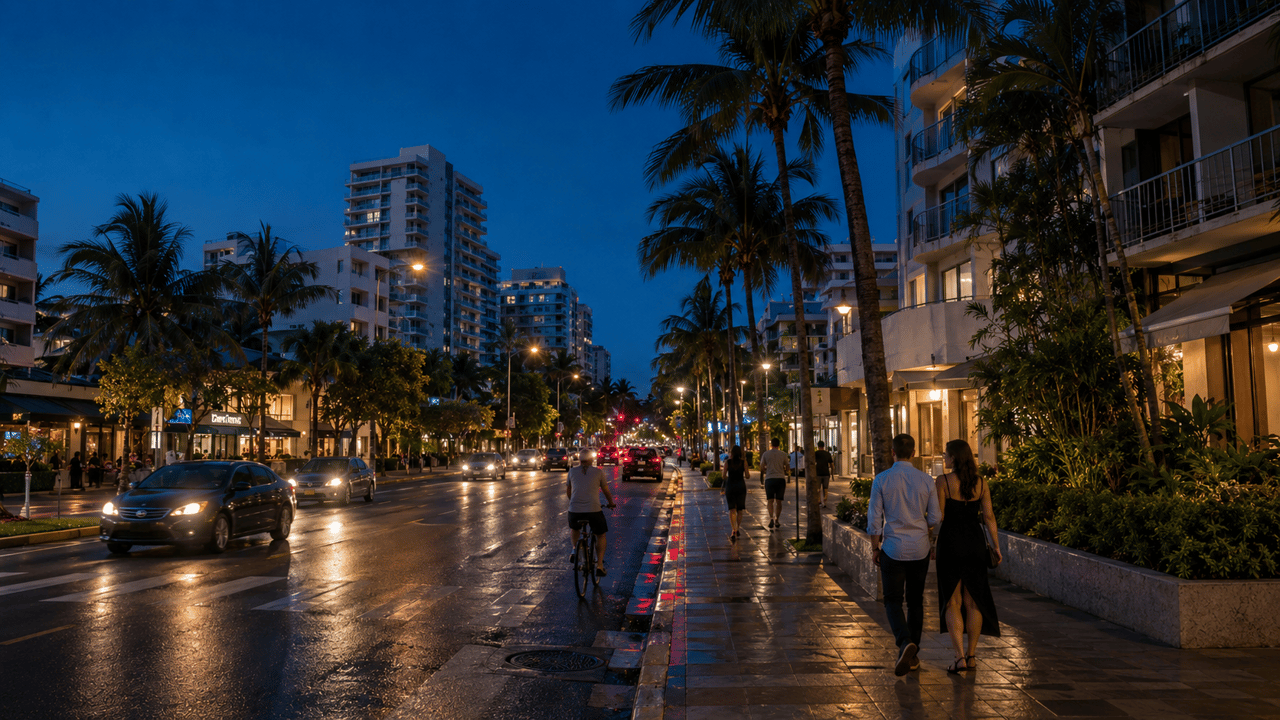
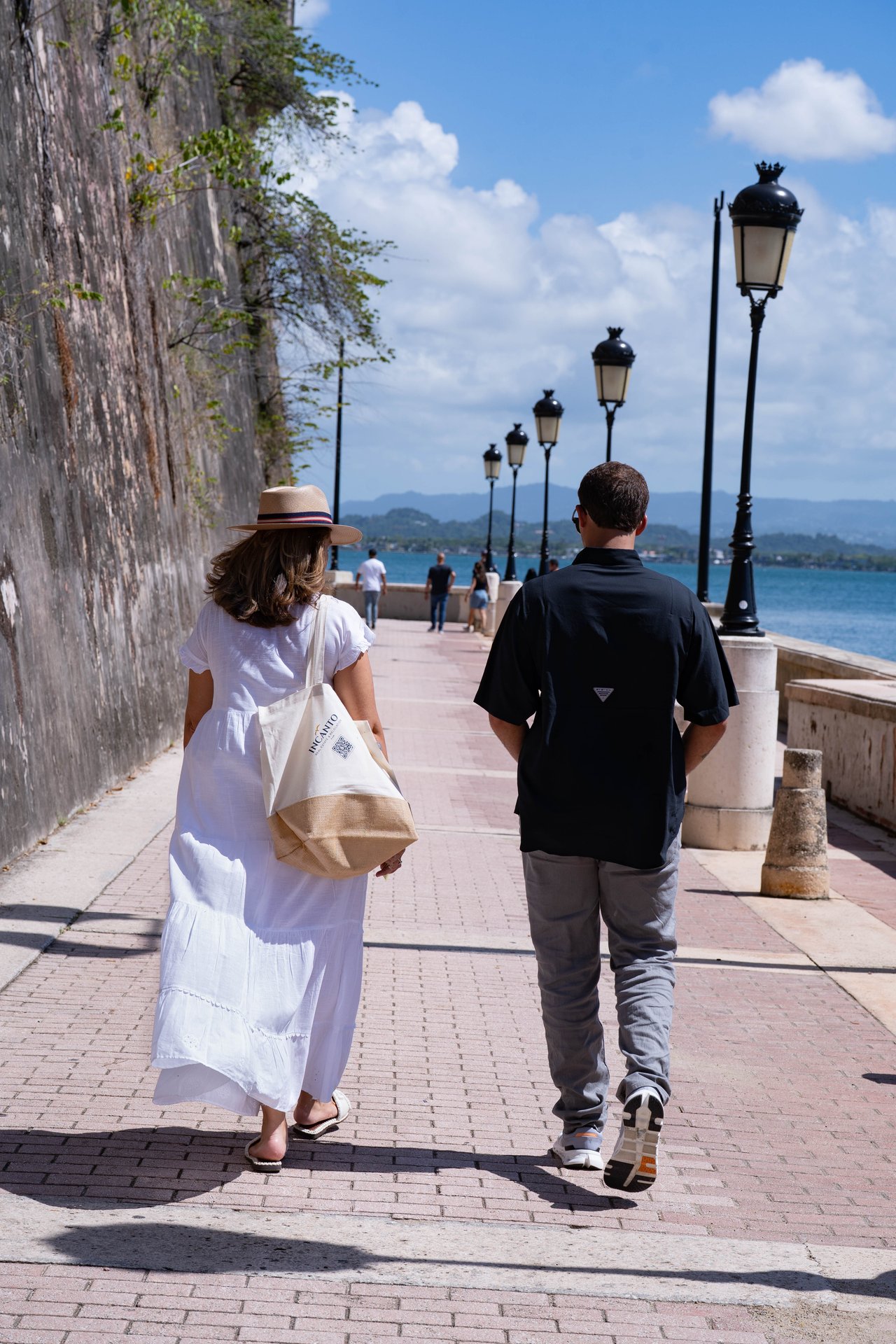
For many relocators, the most useful comparison set includes Condado, Santurce, Miramar, Old San Juan, and Isla Verde. These areas offer meaningful differences in beach access, historic character, urban feel, nightlife, and airport convenience, as reflected in neighborhood guides from Discover Puerto Rico and its overview of landmarks and experiences in Old San Juan.
A quick snapshot can help:
| Area | General feel | Key consideration |
|---|---|---|
| Condado | Central, beach-adjacent, urban | Condo inventory and busy daily flow |
| Santurce | Arts-focused and active | Block-by-block lifestyle differences |
| Miramar | Historic and urban | Building style and parking logistics |
| Old San Juan | Historic walled city | Layout, access, and property format |
| Isla Verde | Beachfront with airport proximity | Travel convenience and building rules |
During this trip, focus on details that affect your daily life:
- Commute routes and traffic patterns
- Parking availability
- Building condition and common areas
- Noise levels at different times of day
- Walkability for your usual routine
- The overall fit between the property and your relocation goals
This matters because Puerto Rico transactions are document-heavy. It is better to validate lifestyle fit before you go under contract than to discover concerns after due diligence begins.
Go Under Contract With A Paperwork Plan
Once you identify the right property, the next phase usually runs 2 to 6 weeks. This is where your offer, diligence, title review, and document collection need to move in sync.
In Puerto Rico, title and registry work should start immediately after contract. The Puerto Rico Property Registry is digital and public, and the governing system gives the registrar up to 90 business days to review documents, with additional time available to cure many defects. That timeline is one reason clean paperwork matters so much.
A current title report is also key. The World Bank’s Puerto Rico property registration case study notes that notaries typically want a title report dated about 30 days or less before the public deed, and that the report shows ownership, mortgages, easements, and other encumbrances. You can see that detail in the Puerto Rico property registration case study.
Review Condo Documents Early
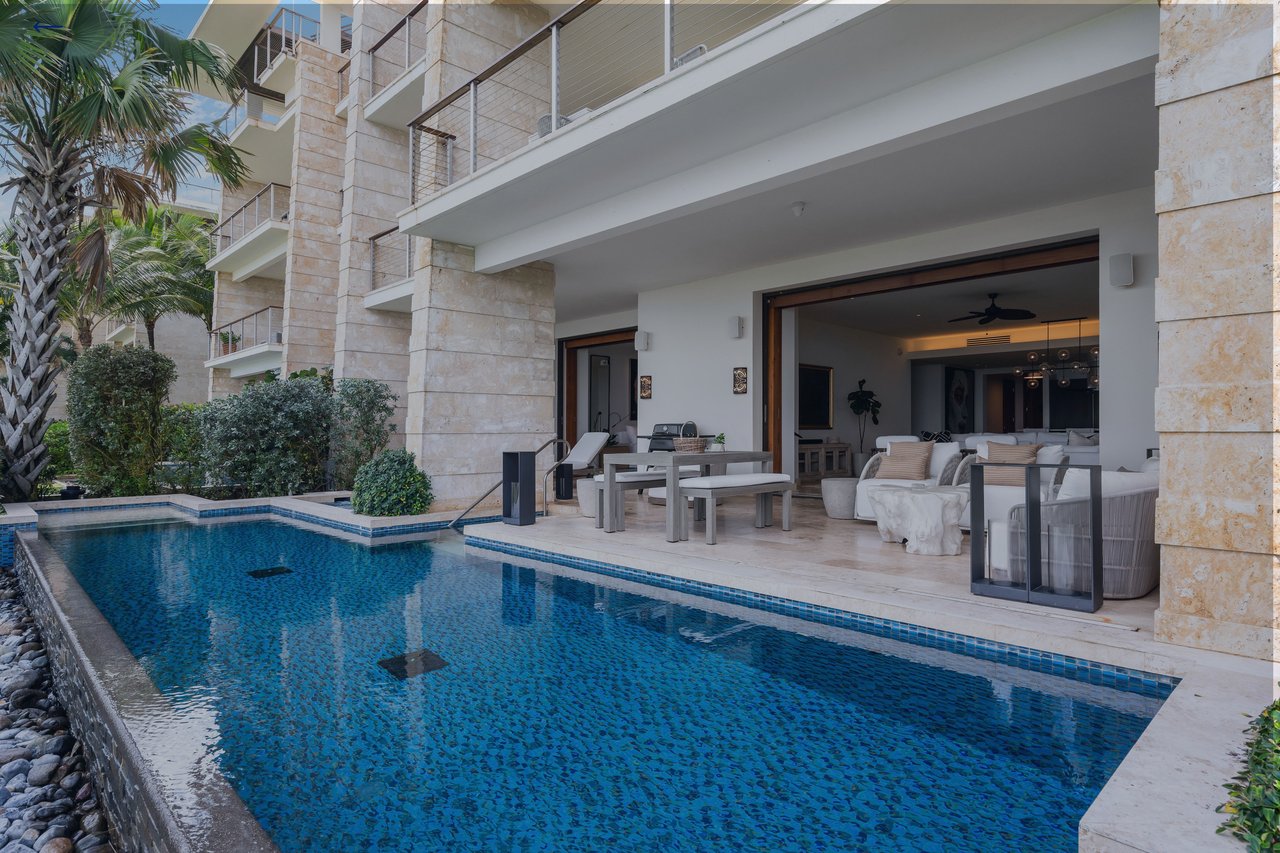
San Juan is a condo-heavy market, especially in areas like Condado, Isla Verde, Miramar, and parts of Old San Juan. If you are buying a condominium, association documents should be part of your early diligence, not something you review at the last minute.
Ask for:
- Association budget
- Reserve information
- Any special assessments
- House rules and use restrictions
- Building financial and operational documents
Puerto Rico condominium law includes a reserve fund item of not less than 5% of the annual operating budget, which is one reason these documents deserve close attention. That requirement appears in the relevant Puerto Rico condominium law reference.
If you are buying with financing, title insurance is often part of the process and generally required by lenders in the World Bank case study. You should also review CRIM tax certificates, which can reveal property tax debts and are part of a careful diligence file.
Plan For Remote Signing Early
Some Act 60 buyers expect to sign remotely or use a power of attorney because they are coordinating an off-island move. That can work, but it should never be treated as a last-minute workaround.
Puerto Rico title professionals note that powers of attorney require careful review, and that remote closings can become more fraud-prone when handled casually. Their guidance on powers of attorney in Puerto Rico transactions makes the case for raising this issue at the very start of the transaction.
If you may not be physically present for closing, tell your broker, title team, and counsel as soon as possible. Early review gives everyone time to confirm whether the documents and signing path will work.
Understand What Closing Week Looks Like
Closing in Puerto Rico is not identical to closing in many U.S. states. The transaction is completed through a public deed signed before a Puerto Rico notary-attorney, who prepares certified copies and the filing package.
That means closing week is about more than wiring funds and signing a few final pages. Your notary, title professionals, and legal team need to make sure the deed package is accurate, current, and ready for filing.
It is also important to know that signing and recording are related but not identical steps. According to the transaction overview cited earlier, the notary is responsible for registering deeds granted during the prior month, which means your signed transaction still moves into a filing and registry process after the deed is executed.
Expect Registry Processing After Closing
One of the biggest surprises for mainland buyers is that you can be fully closed and still not have a fully cleaned-up registry record right away. After filing, the registry may issue defect notices, and there are formal paths to cure them.
That process is part of Puerto Rico’s property system, not necessarily a sign that something is wrong with your purchase. The practical takeaway is simple: deed signing is a major milestone, but registry processing continues afterward under the framework described in Puerto Rico law governing the registry system.
For Act 60 relocators, this is another reason documentation matters. Your closing file, occupancy timeline, and move records all contribute to the broader story of establishing your life in Puerto Rico.
A Realistic San Juan Timeline
If you want a practical benchmark, this is the sequence that tends to reduce friction:
- Tax counsel first so your move supports residency goals
- Pre-visit planning 2 to 6 weeks before travel
- Exploratory trip for 3 to 5 days in San Juan
- Offer and due diligence over the next 2 to 6 weeks
- Public deed signing at closing
- Registry recording and follow-up after closing
This order works because each part of the move runs on a different clock. Your tax calendar, your banking setup, your property search, and Puerto Rico’s registry process all need to stay aligned.
That is where a high-touch relocation and brokerage team can make a real difference. If you are planning an Act 60 move to San Juan, INCANTO Real Estate & Relocation can help you coordinate the search, compare neighborhoods, and navigate the steps from first visit through closing with a clear local plan.
FAQs
What is the first step in an Act 60 relocation timeline to San Juan?
- The first step is usually to speak with tax counsel so your housing search supports Puerto Rico residency timing and documentation requirements.
How long does an Act 60 exploratory trip to San Juan usually take?
- A focused exploratory trip typically lasts 3 to 5 days, which gives you enough time to compare areas like Condado, Santurce, Miramar, Old San Juan, and Isla Verde.
What makes a San Juan real estate closing different from many mainland closings?
- In Puerto Rico, the transfer is completed through a public deed signed before a Puerto Rico notary-attorney, followed by filing and registry processing.
Why are condo documents important for a San Juan purchase?
- Condo documents can reveal budget details, reserve funding, assessments, and building rules, all of which are important in San Juan’s condo-heavy market.
Can you close on a San Juan property remotely during an Act 60 move?
- Yes, remote signing or a power of attorney may be possible, but the title team and counsel should review that plan early to avoid delays or document issues.