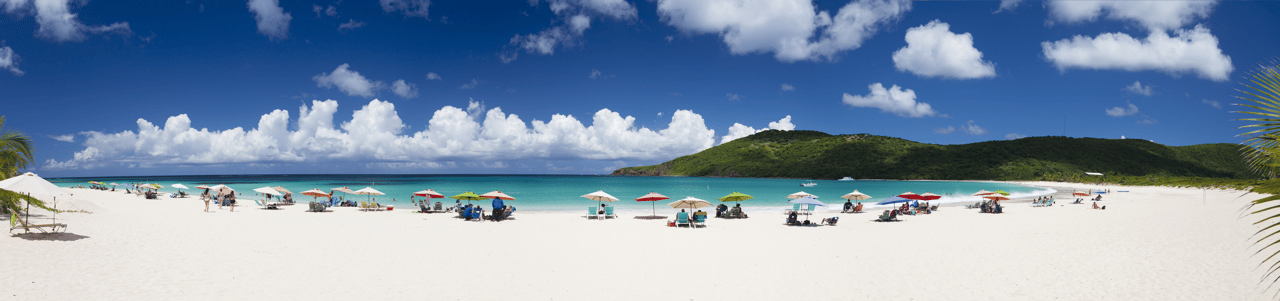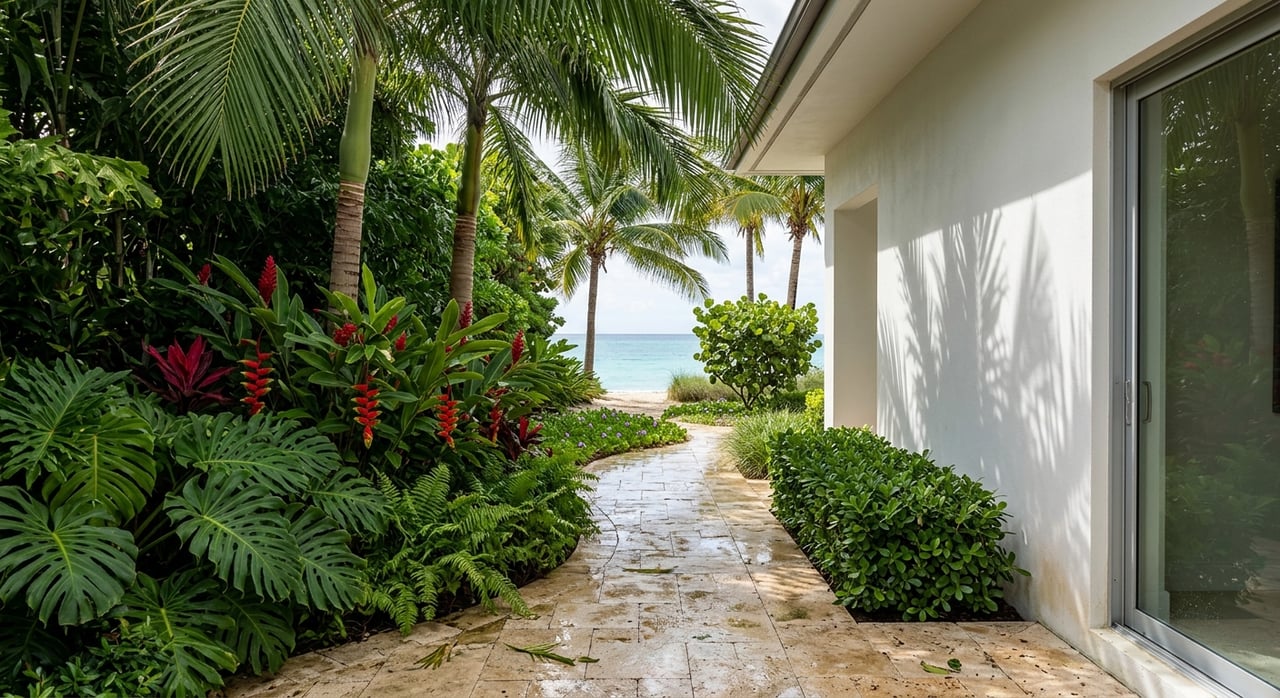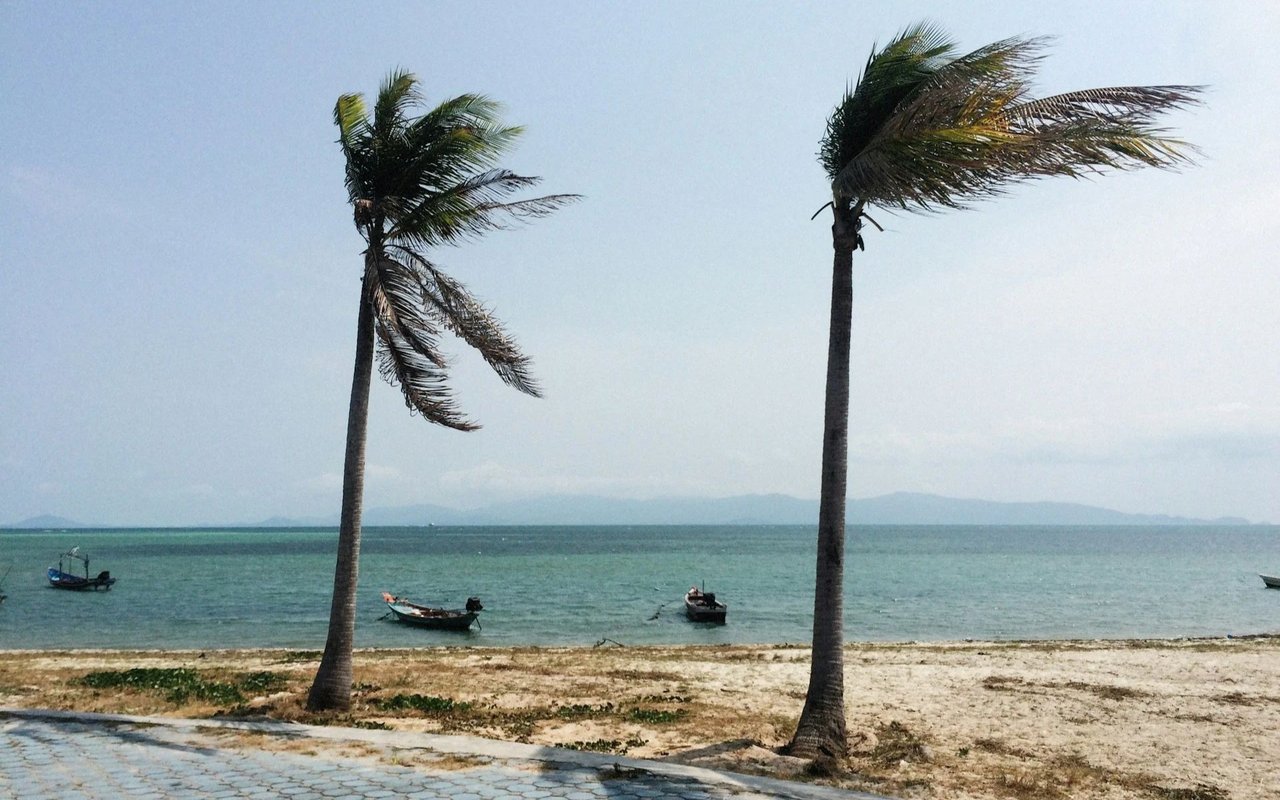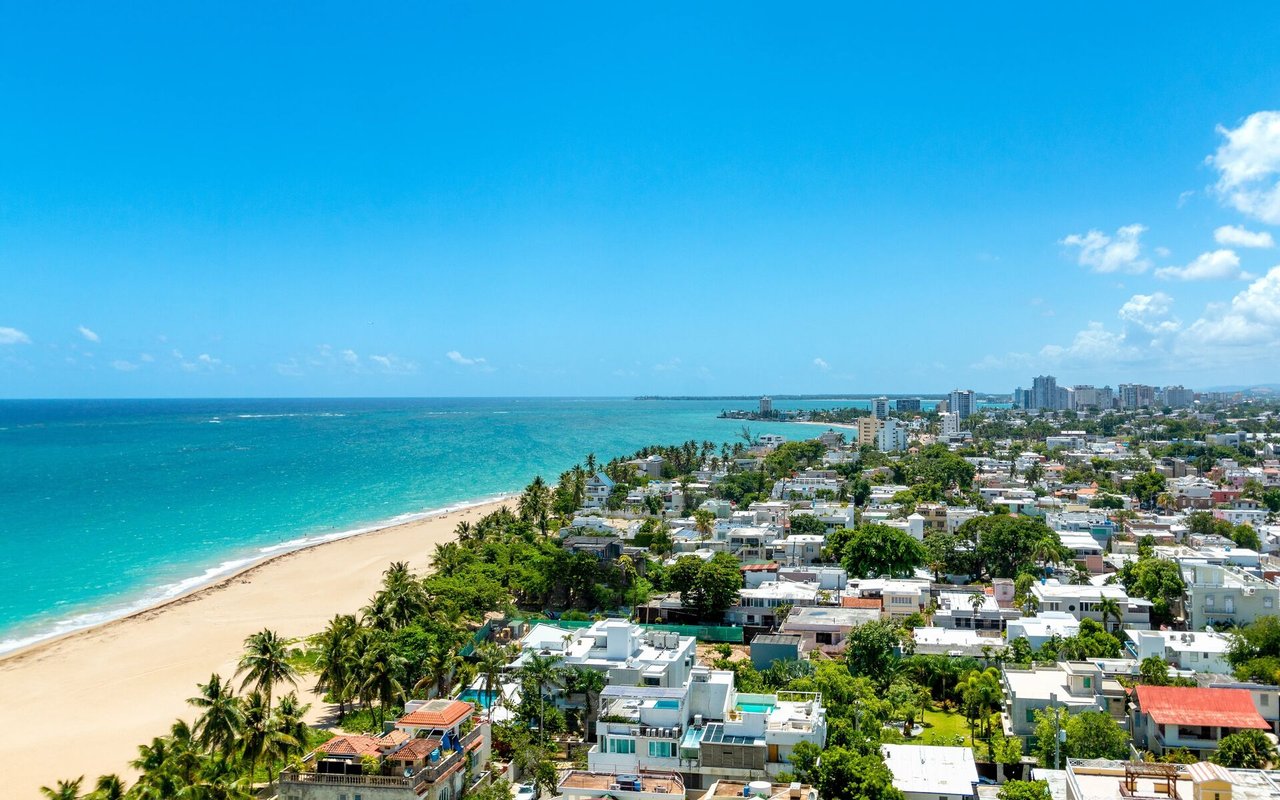
A leatherback nesting on Bahía Beach this month could be roughly 20 years old, the age at which females typically return to the exact beach where they hatched to lay their own eggs. Do the math on that and she was born around 2006, four years before this stretch of sand ever operated as a resort at all. The St. Regis Bahía Beach opened in 2010, and by the time it did, this particular turtle had already been swimming the Atlantic for four years. The hotel brand that greeted her on her first return trip is gone now too. What has stayed constant, generation after generation, is the sand.
That contrast is worth sitting with, because this is the first hatching season since the property changed hands in a way that actually touches the turtle program, not just the lobby carpet.
A Rebrand Landed Right in the Middle of Nesting Season
Bahía Beach spent 15 years as a Marriott-flagged St. Regis before officially reopening as the Four Seasons Resort and Residences Puerto Rico on November 20, 2025, following a $40 million renovation. That timing matters more than it looks. Leatherback nesting at Bahía Beach starts in the spring, and the resort's own materials describe hatchlings continuing to emerge from the sand well into late summer. The Four Seasons reopening happened after last year's nesting cycle had already wrapped, which means the nests laid this spring and hatching now, in August 2026, are the first full cycle the new operator has actually managed from the first egg to the last hatchling.
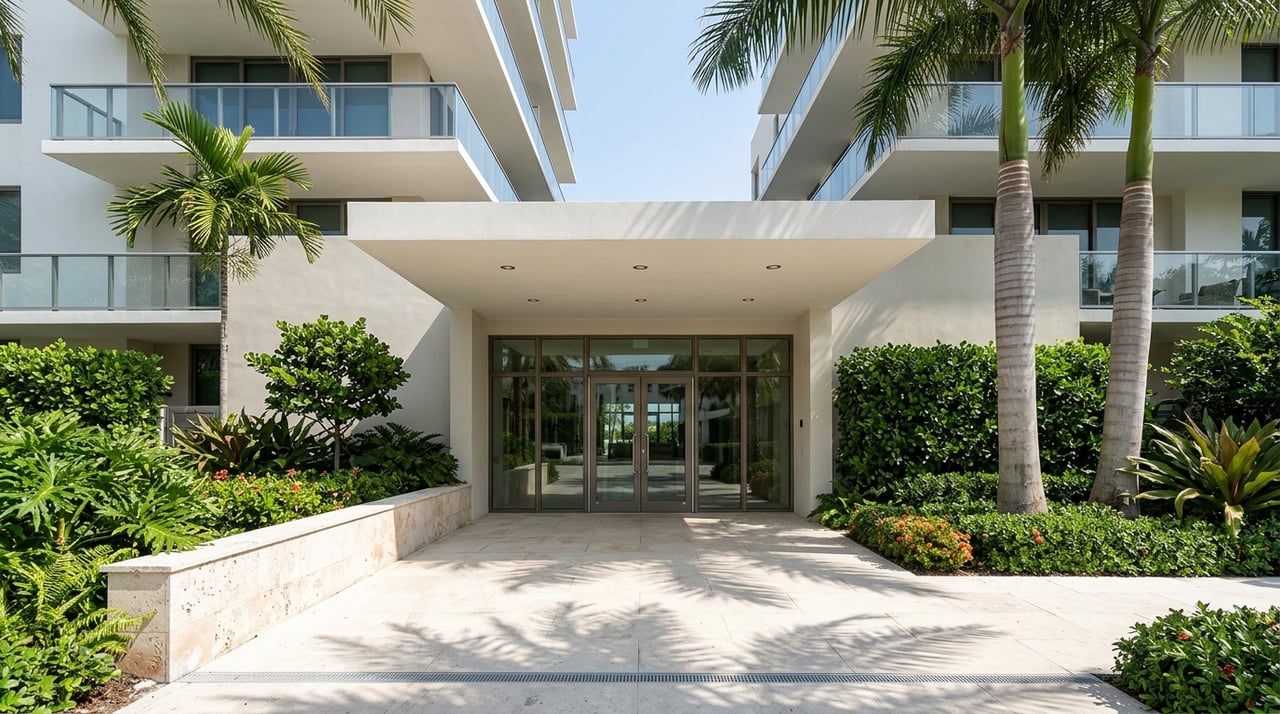
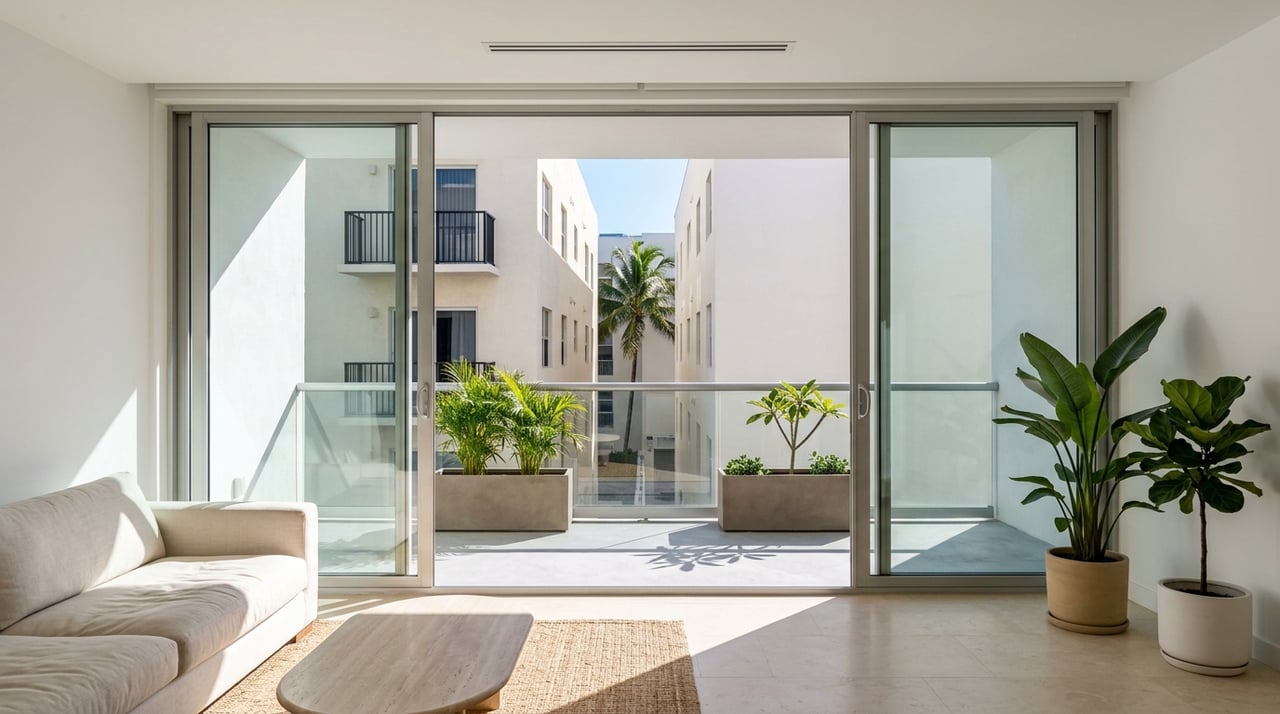
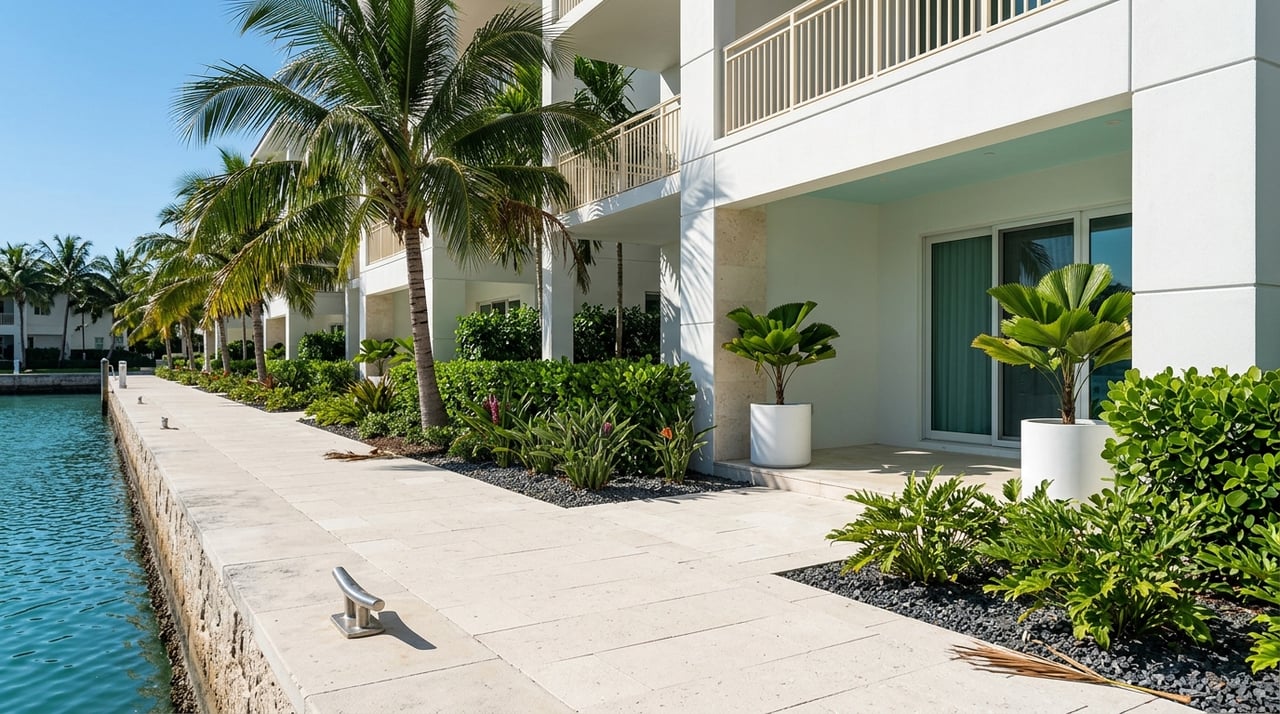
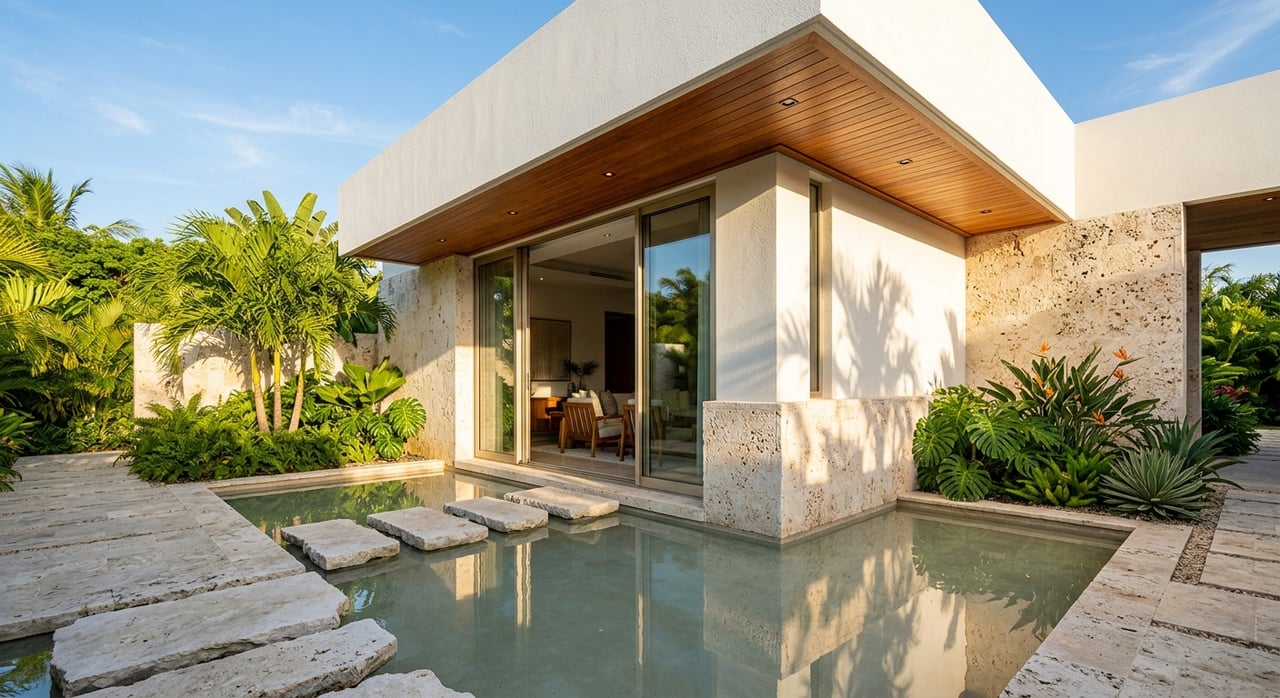
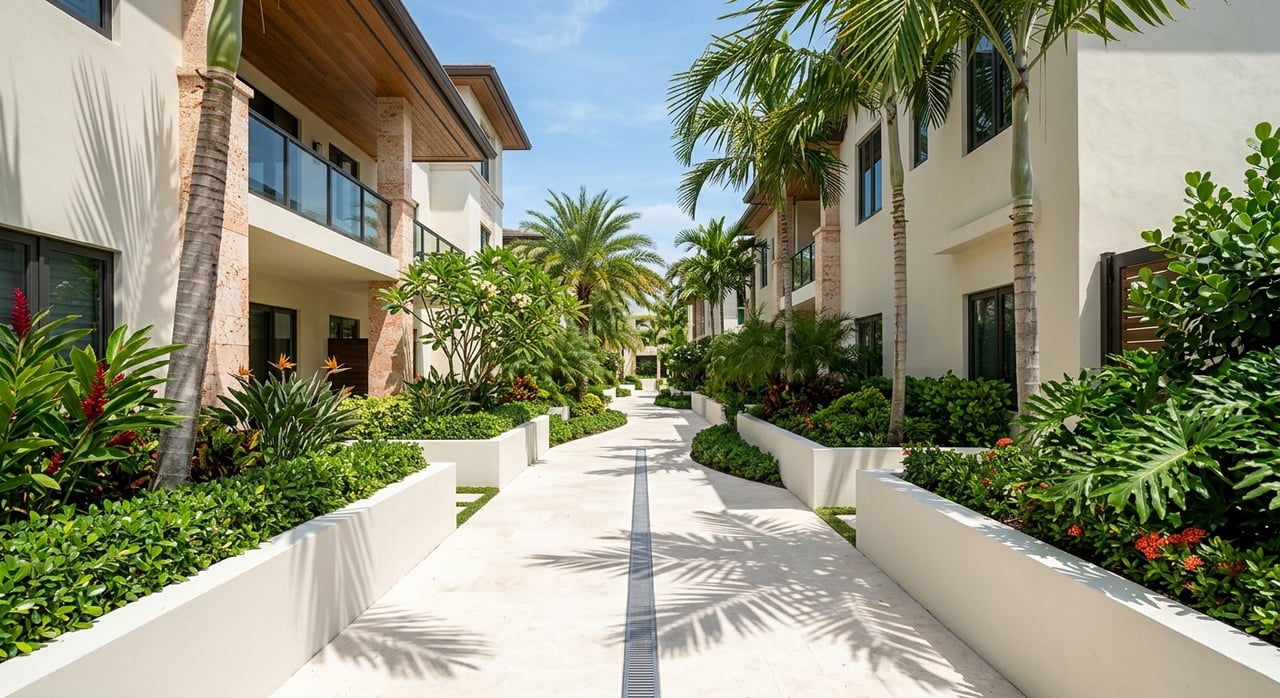
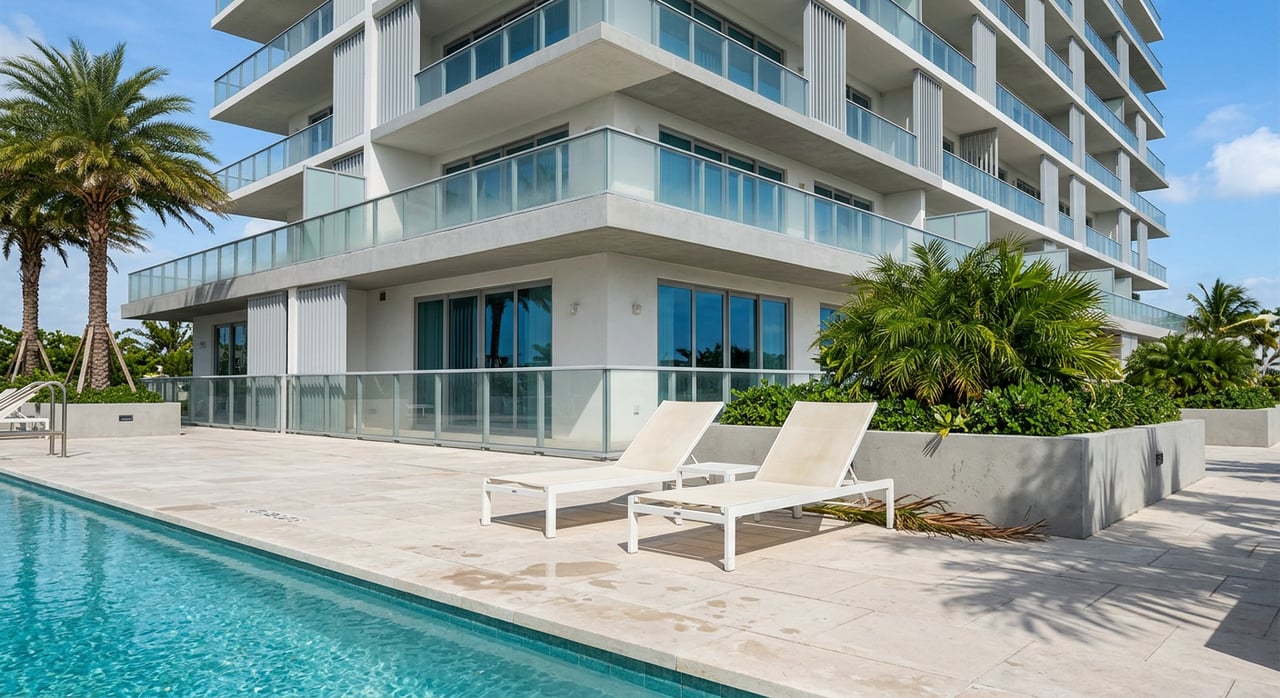
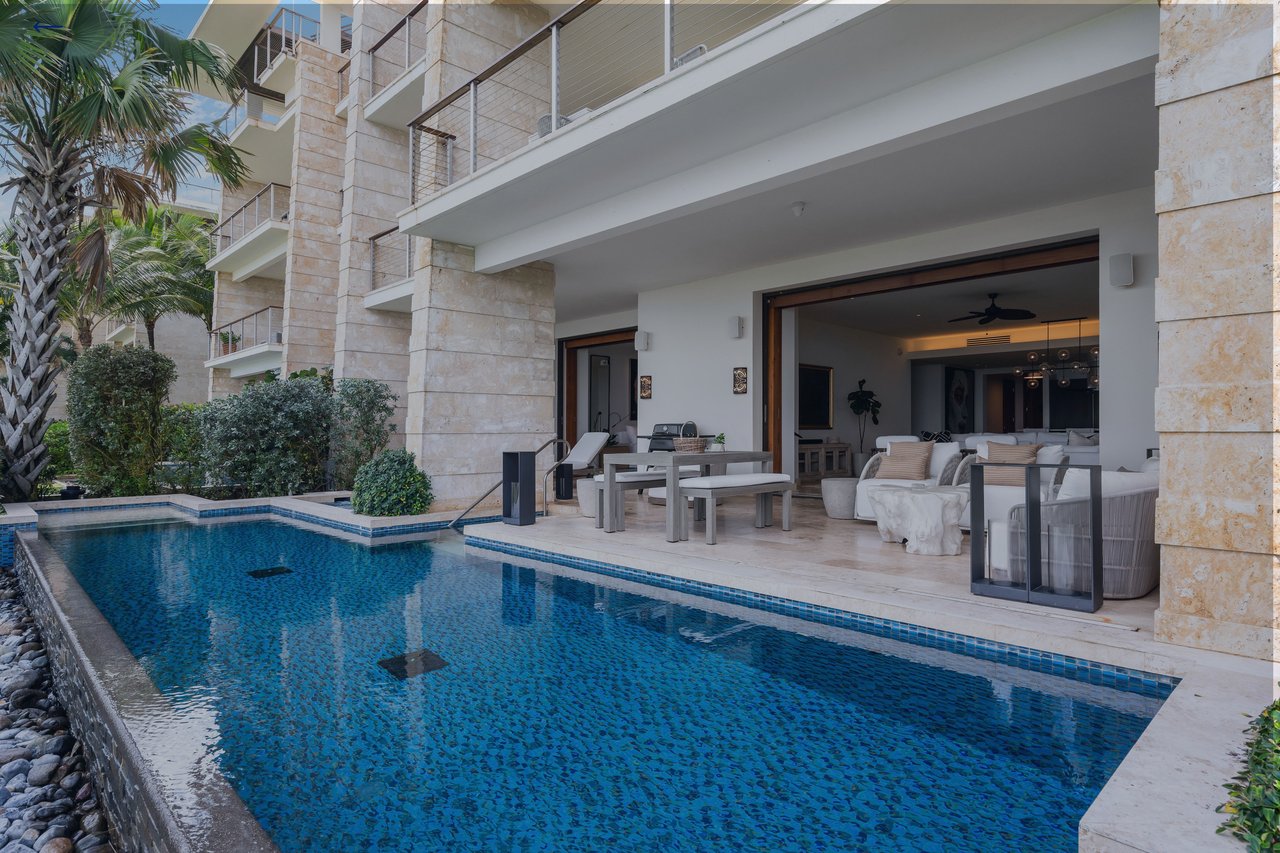
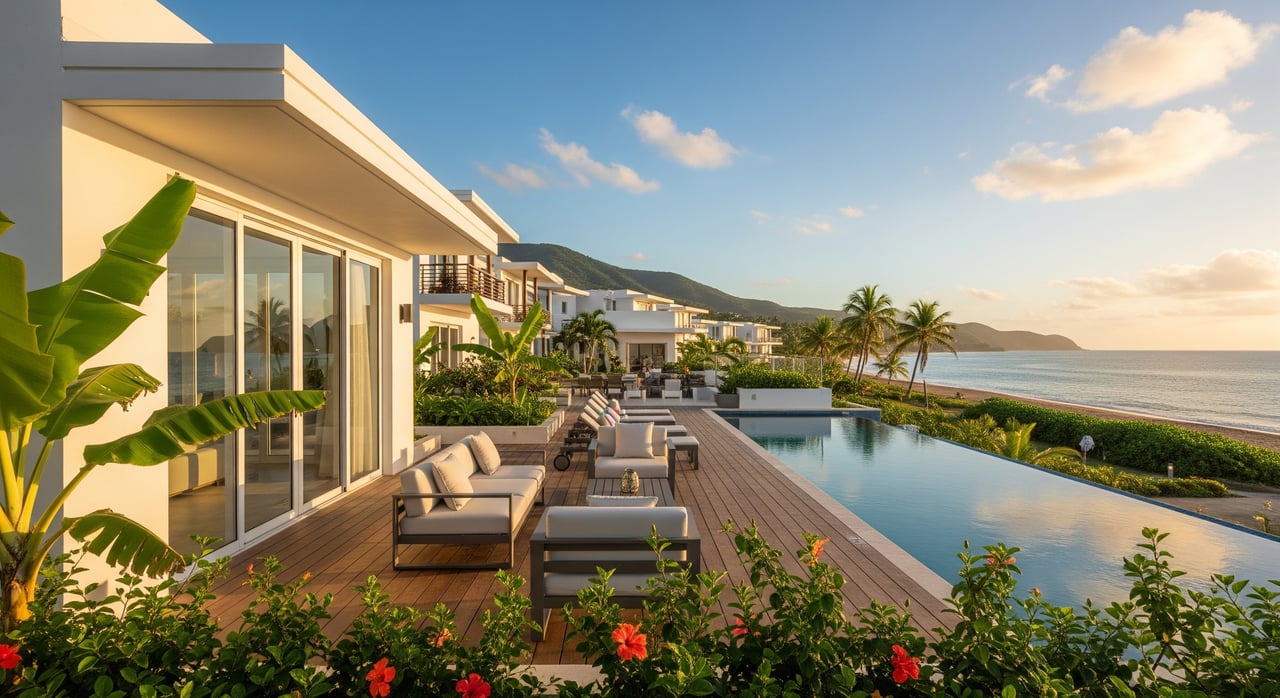
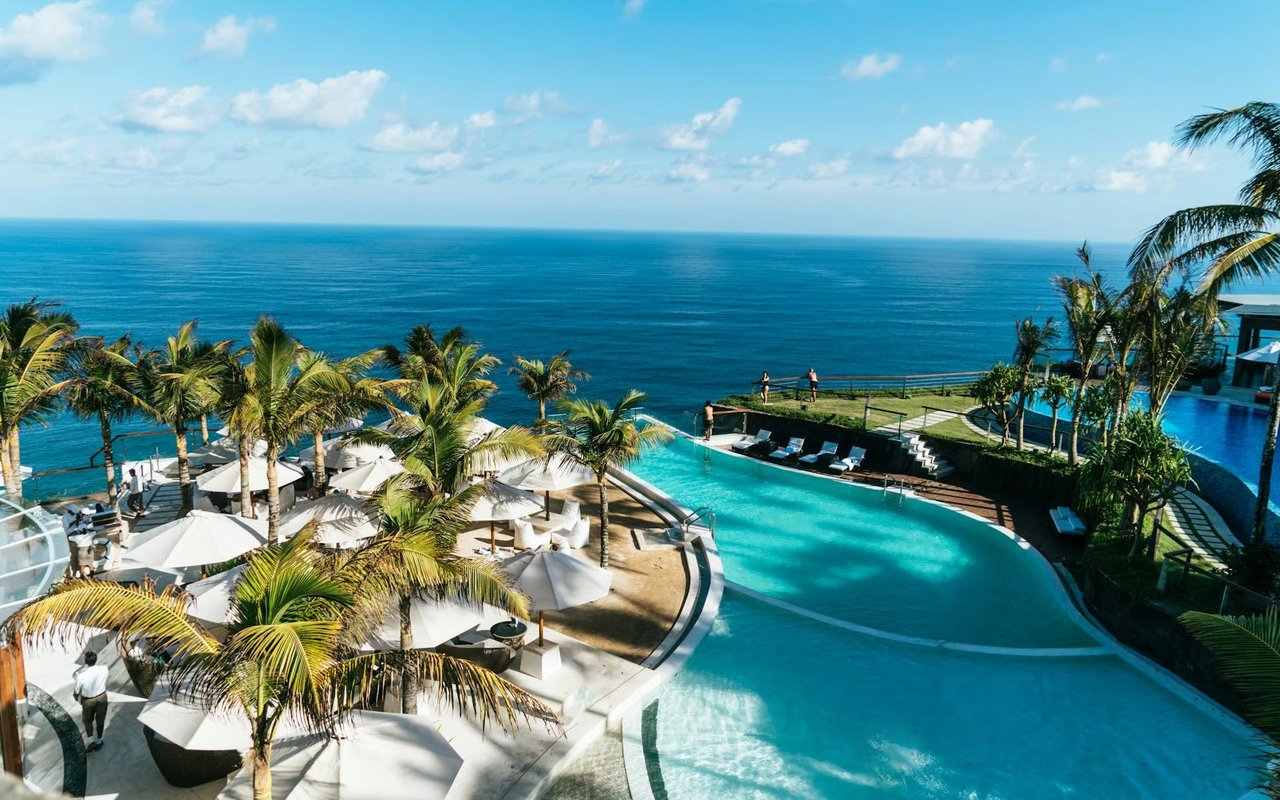
The renovation itself wasn't cosmetic only. Along with 139 refreshed guest rooms and 85 private residences, the rebuild added a dedicated nature center and an on-site animal sanctuary, plus an expanded Boathouse area for water access. For residents, that's the detail that actually changes daily life here: the conservation side of Bahía Beach, which used to run informally through the golf club and concierge desk under St. Regis, now has its own physical home base under the new operator. If you've watched a hatchling release here before, this year's version is happening through different infrastructure than last year's, even though it's the same beach and very likely some of the same nesting females.
The Math Behind This Year's Hatch
Bahía Beach has documented seasons on its own blog with 14 active leatherback nesting sites scattered along its stretch of coast, each one holding somewhere between 80 and 100 eggs. Multiply that out and a single season at Bahía Beach can produce somewhere in the range of 1,120 to 1,400 eggs. Of those, the resort's own tracking puts the hatch rate at 60 to 80 hatchlings per nest, which works out to roughly 840 to 1,120 baby leatherbacks making the run to the water in a given year.
A few numbers explain why residents are seeing hatchlings now rather than back in the spring:
- Leatherback nesting along this stretch of coast generally runs from spring through summer, with nests at Bahía Beach starting as early as April.
- Sea turtle eggs in Puerto Rico typically take around 60 days to incubate before hatching.
- A nest laid in April is long since hatched by early summer. A nest laid in June is only now breaking open in August.
That's the actual mechanism behind why the resort describes hatchlings emerging through the end of summer even though nesting itself began months earlier. The season isn't one event, it's a rolling series of 60-day countdowns running in parallel across 14 different patches of sand, staggered by whenever each female happened to come ashore.
The Volunteers Who Actually Run the Program
The hatchling walk to the ocean is widely described as the single most dangerous stretch of a leatherback's life. Predators wait along that short run of open sand, and a meaningful share of hatchlings from any given nest never make it to the surf. That's why the releases at Bahía Beach are handled the way they are: volunteers, working alongside a natural resources officer, walk the beach to keep predators off the path and give the hatchlings a clear line to the water. The resort's conservation arm, Soul of Bahia, partners directly with Puerto Rico's Department of Natural and Environmental Resources on this work, which is a more formal arrangement than most people assume when they see a handful of staff quietly gathered on the sand at dusk.
None of this is new to the property. What's new is which organizational chart it sits under. Soul of Bahia predates the Four Seasons transition by years, but this season is the first time its work is happening alongside a freshly built nature center rather than being folded into whatever wing of the old hotel had room for it.
Why 65 Percent of the Map Was Never Up for Grabs
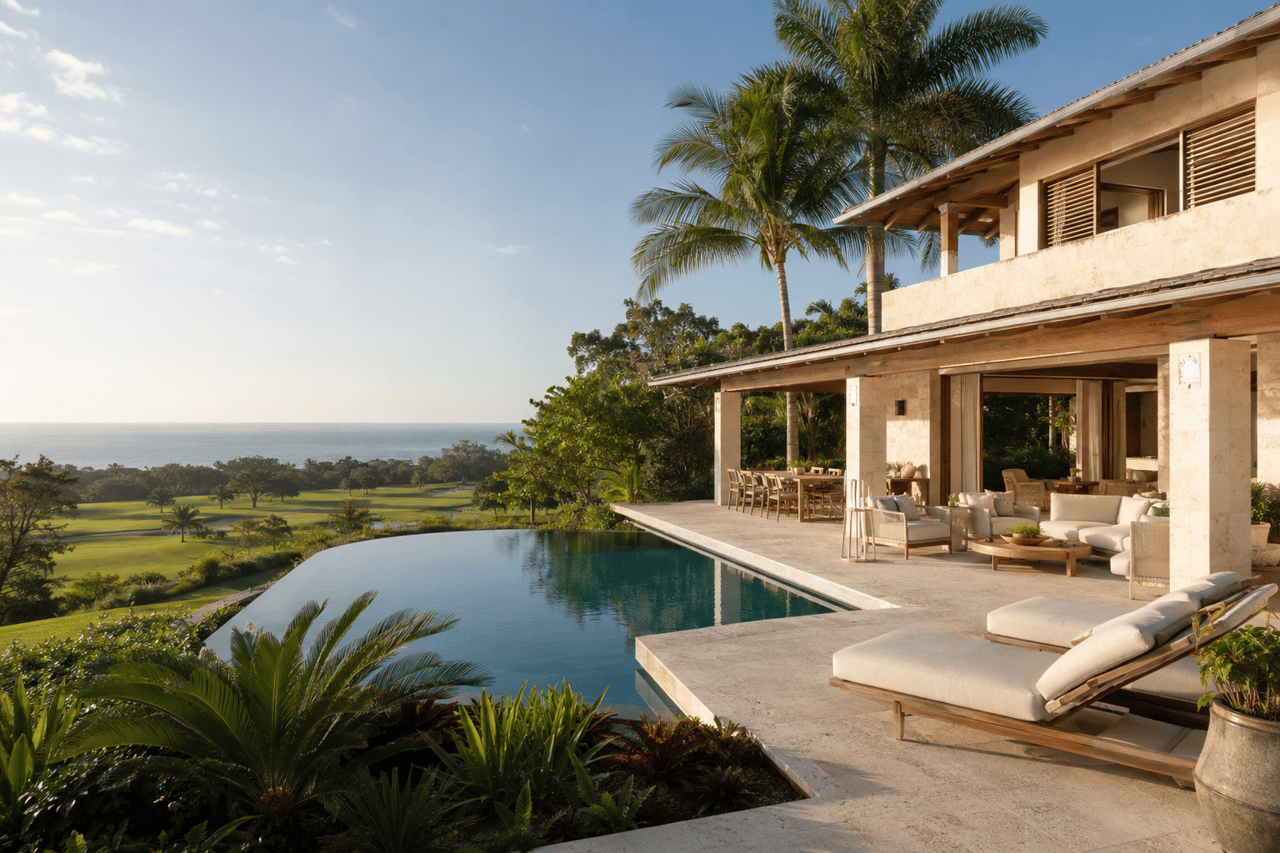
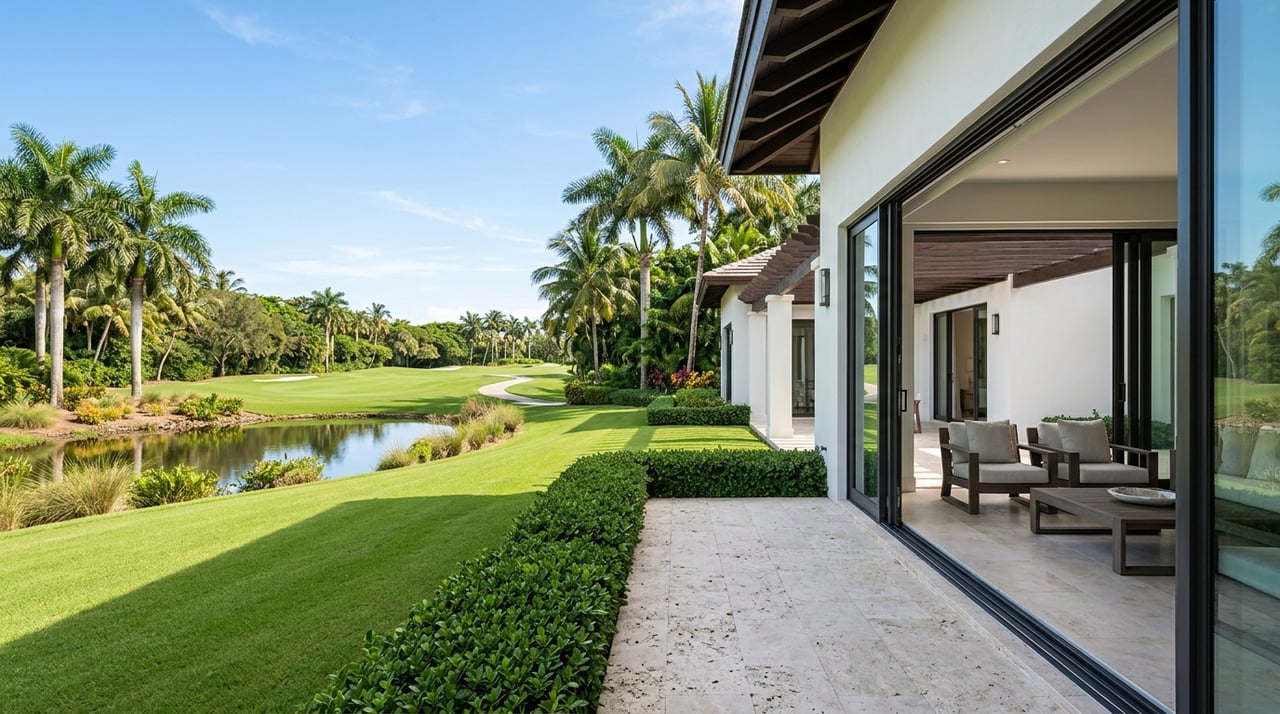
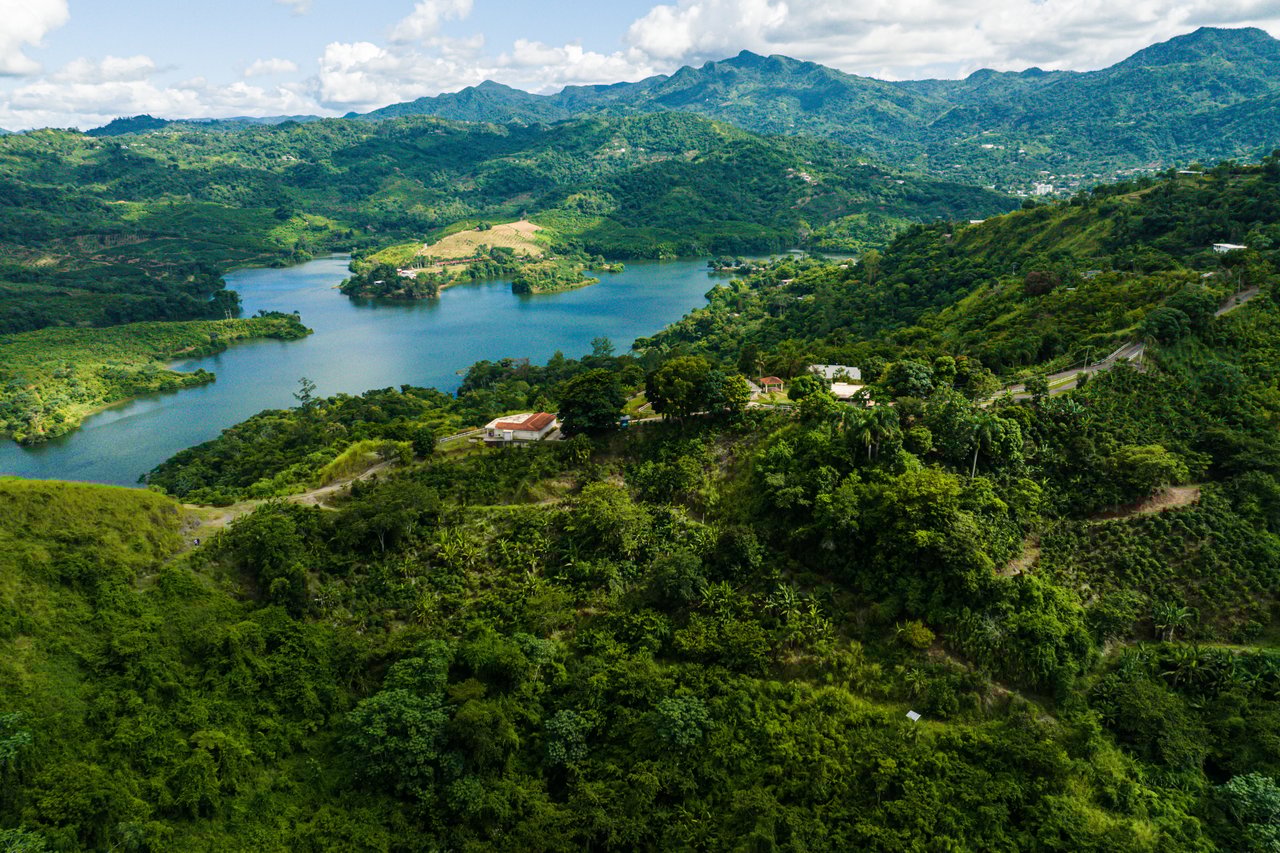
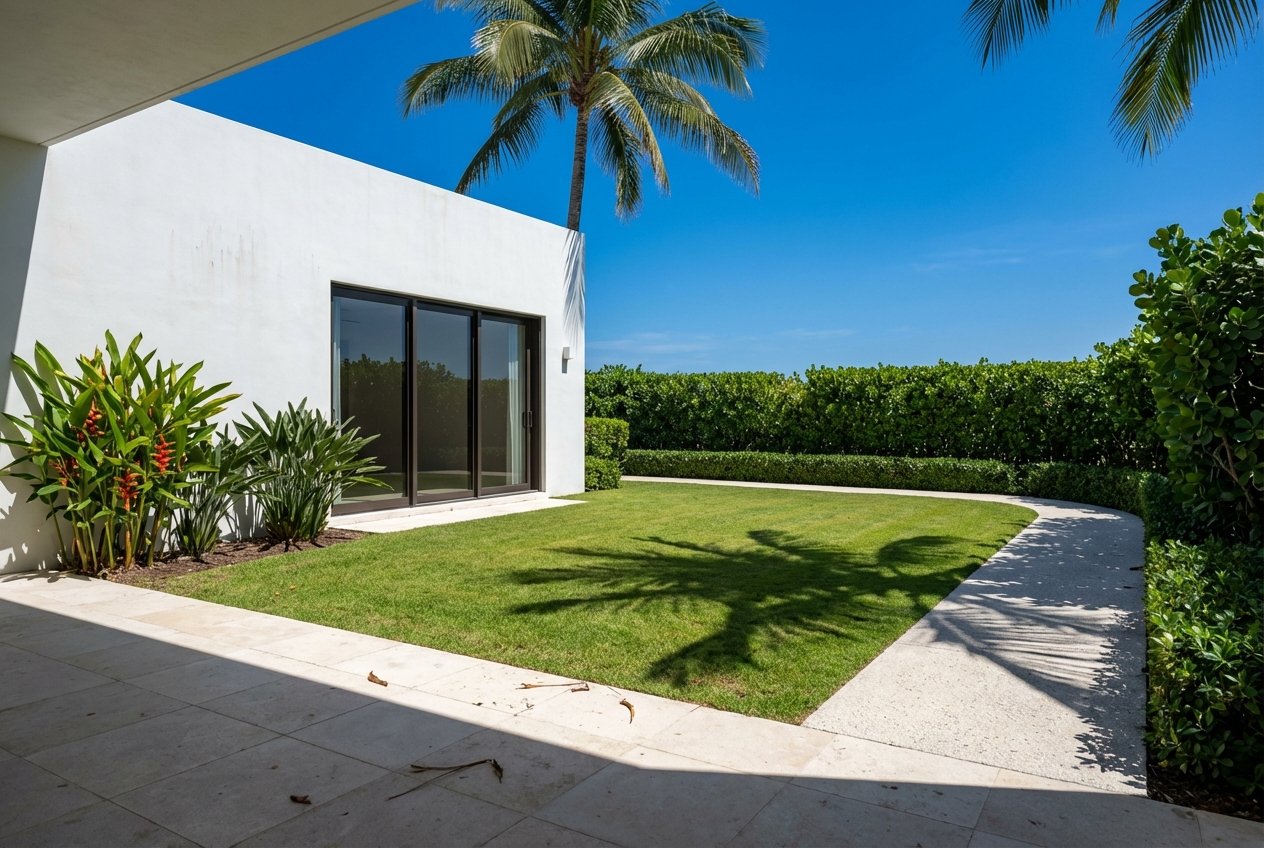
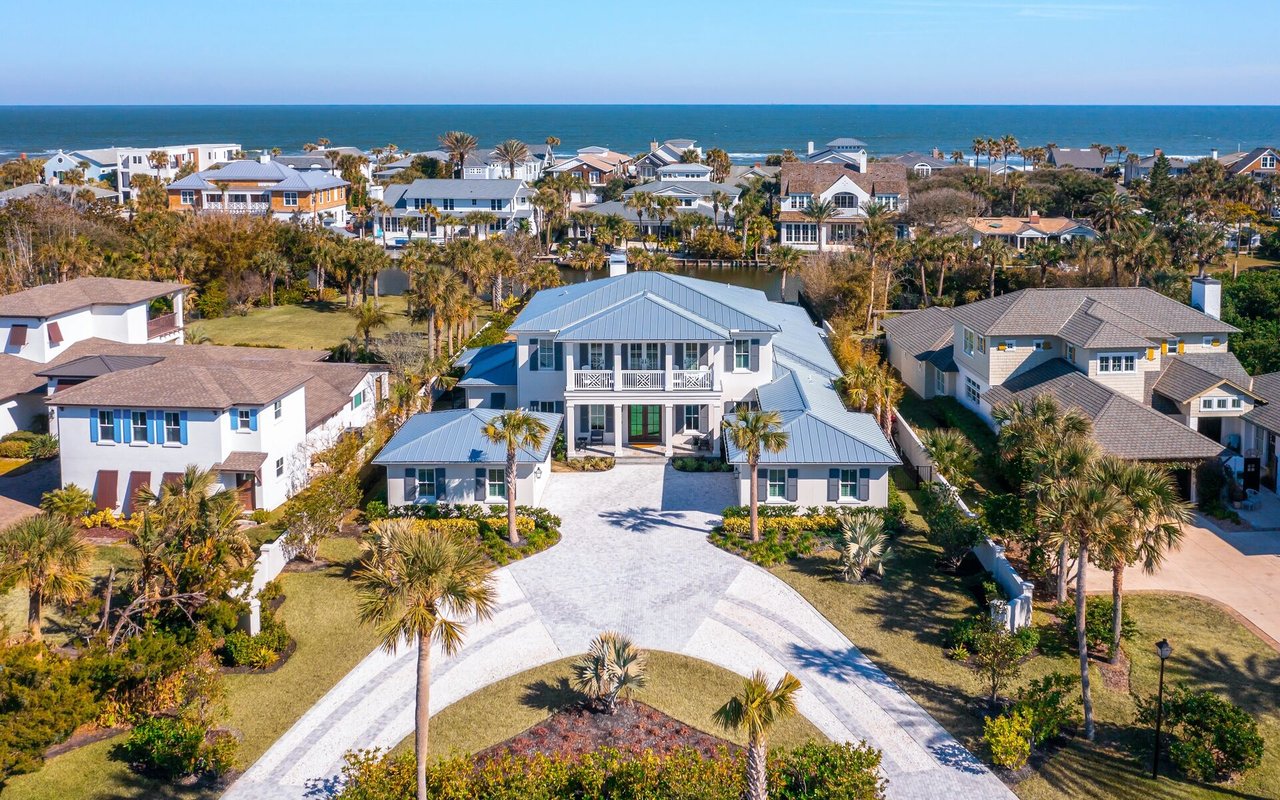
It's easy to assume the acreage around the golf course and villas is simply landscaping. It isn't. Of Bahía Beach's 483 acres, more than 65 percent is designated sanctuary land, covering forest, marsh, freshwater lakes, sandy beach, and coral reef. The reserve is home to more than 240 species of flora and fauna, including the two the resort names specifically as endangered: the leatherback turtle and the Caribbean manatee. That density of protected habitat is why Bahía Beach carries a Certified Silver Audubon International Signature Sanctuary designation, one of only a handful of resorts worldwide to hold that status and the only one in the Caribbean.
The same acreage that keeps development capped is the acreage that gives residents four miles of nature trails to walk or bike without leaving the gates, and it's the same land that supports the Farm at Bahía Beach, which supplies residents with organic produce grown on site. None of that shifted when the flag over the lobby changed. The sanctuary designation, the trail mileage, and the farm all existed under St. Regis and carried straight through the transition, which is arguably the more interesting story here: a global luxury brand invested $40 million into a property, and the one asset it didn't touch was the exact land use restriction that limits how much of Bahía Beach could ever be built on in the first place.
If You Want to Catch the Last of It
Nesting itself started back in April, and by the resort's own account, hatchlings keep emerging through the end of summer, which puts the current window somewhere in its final stretch rather than its opening act. If a nest was laid in late June, this is close to the last realistic month to see hatchlings from it break the surface. Anyone hoping to watch a release this year has a shrinking number of weeks to check with the resort's new nature center about timing rather than waiting for word to spread informally the way it might have under the old ownership.
It's a small thing, checking in with a physical nature center instead of the concierge desk, but it's the clearest sign of how this season is actually different from every other one residents have watched here. The turtles didn't change their habits. The building they now report to did.
Bahía Beach residents already know this stretch of coast rewards paying attention to details other people scroll past. If you're weighing a move here, considering a second residence inside the reserve, or just curious how a rebrand like this one tends to affect property values and rental demand over time, INCANTO Real Estate & Relocation has spent years inside this specific market and the Act 60 relocation questions that often come with it. Book Your Call when you're ready to talk specifics, turtle season or not.