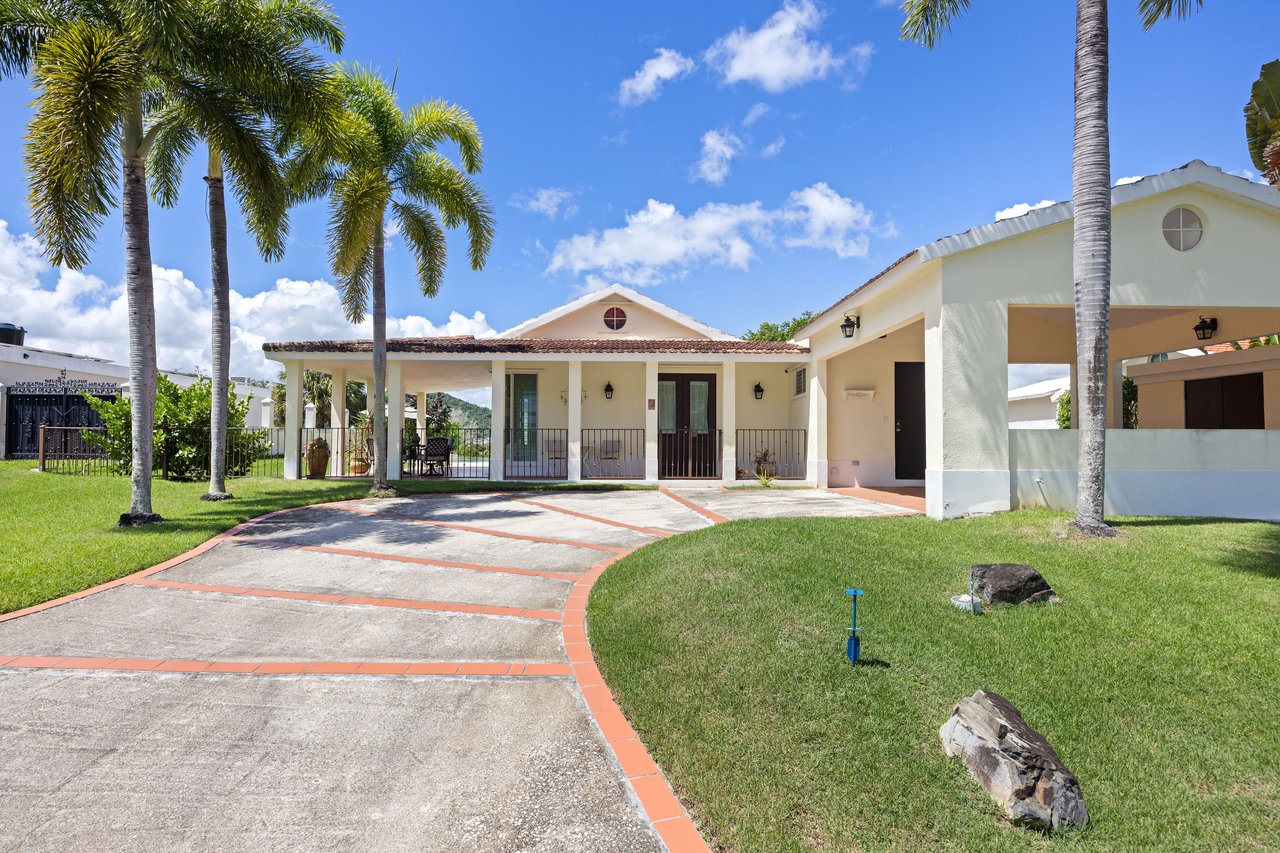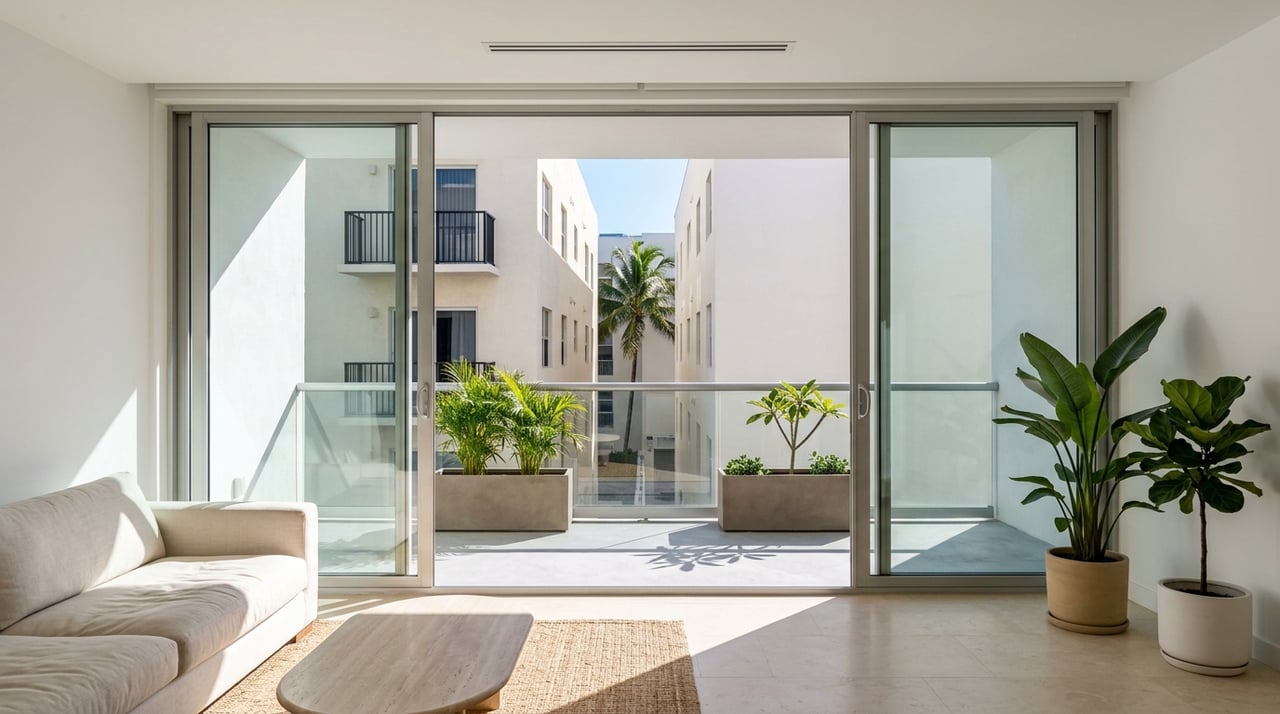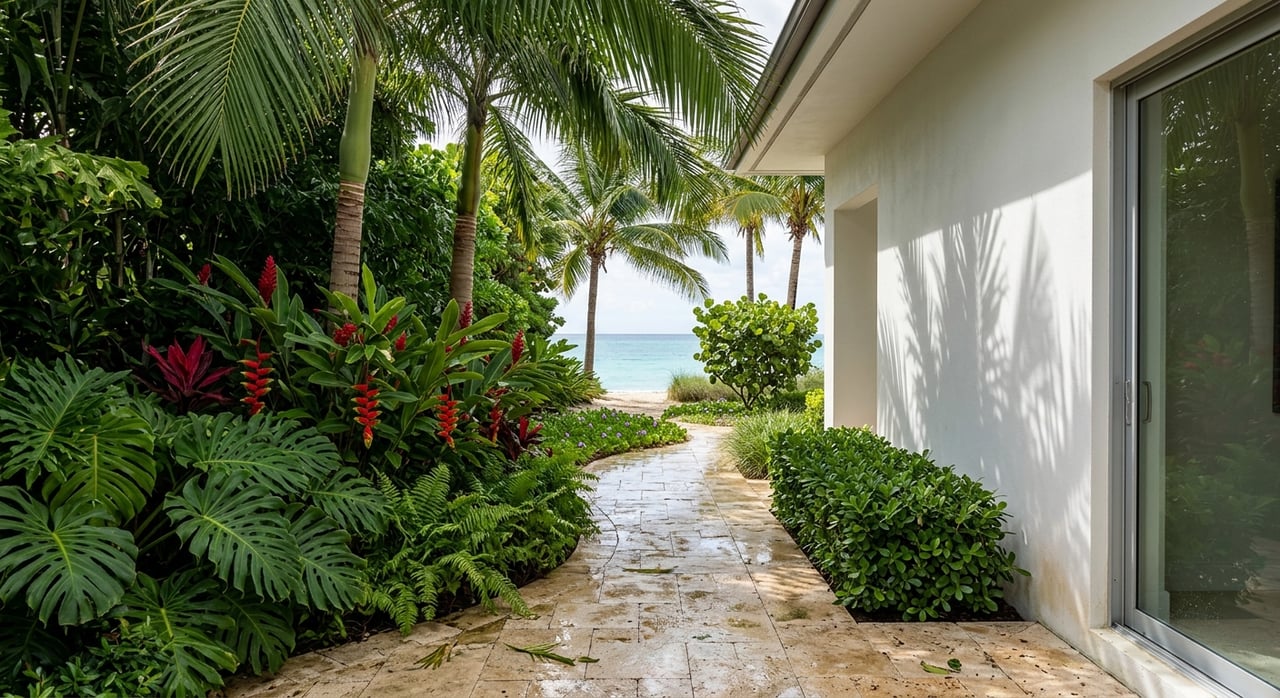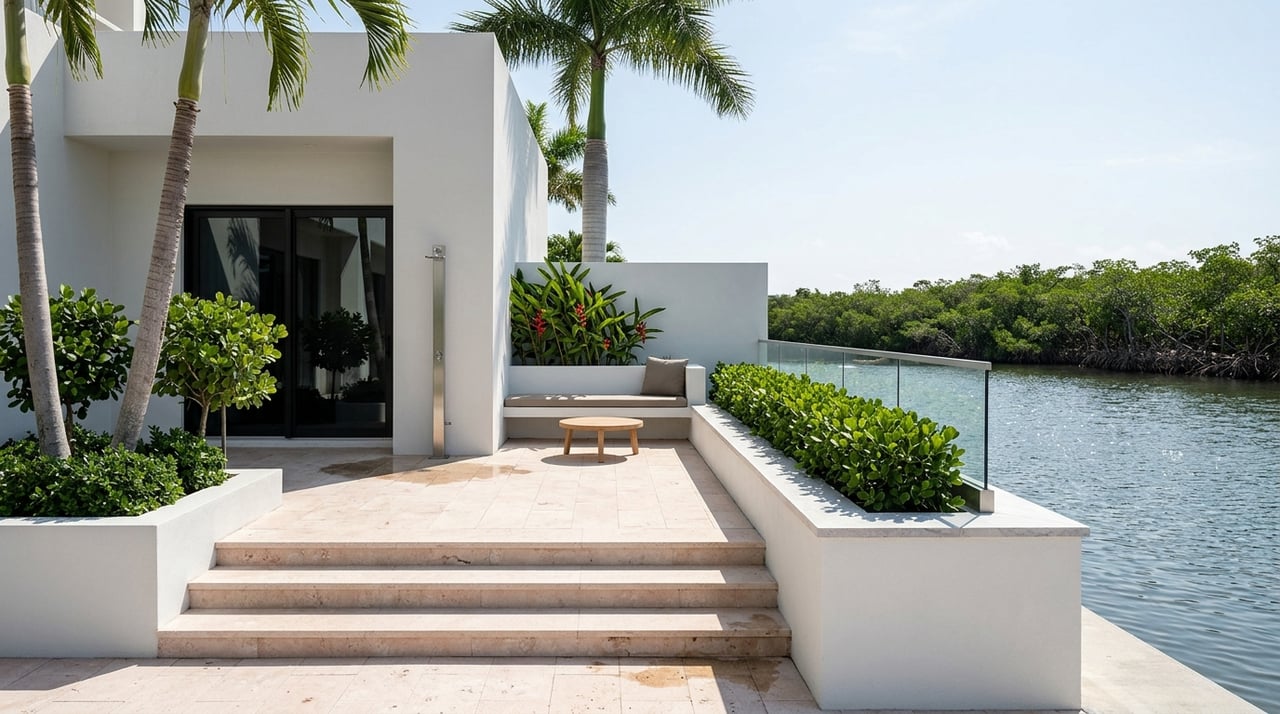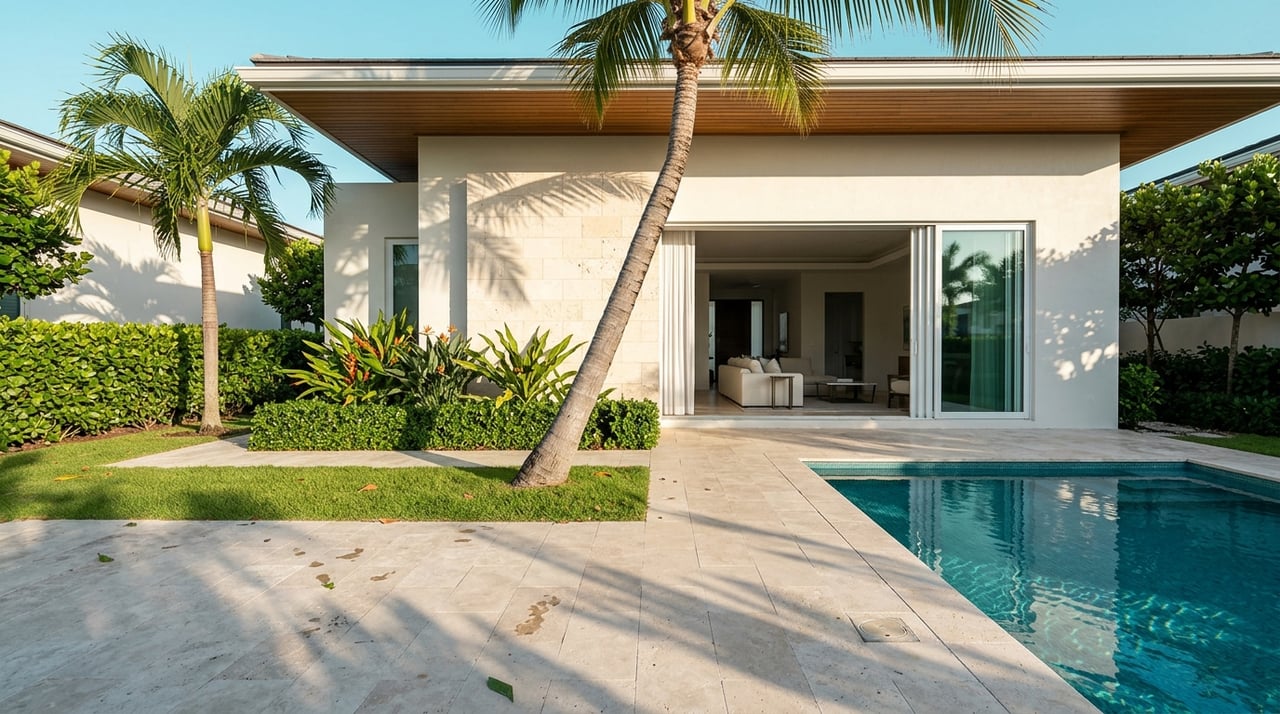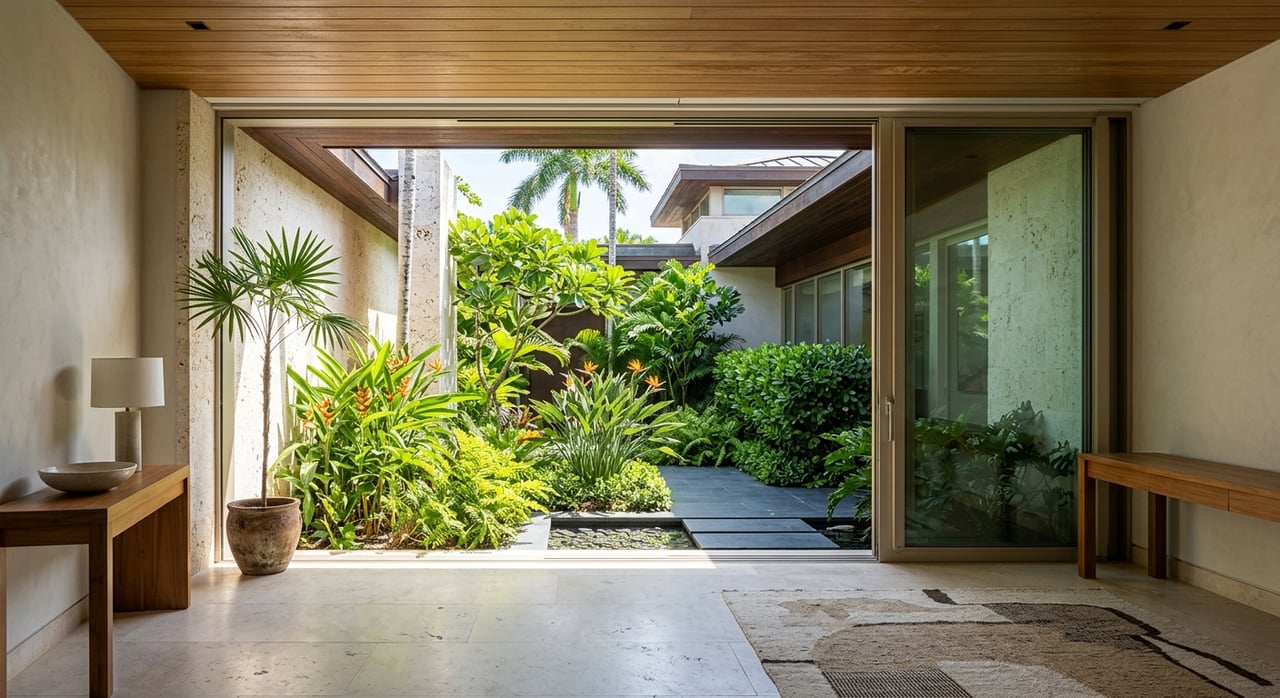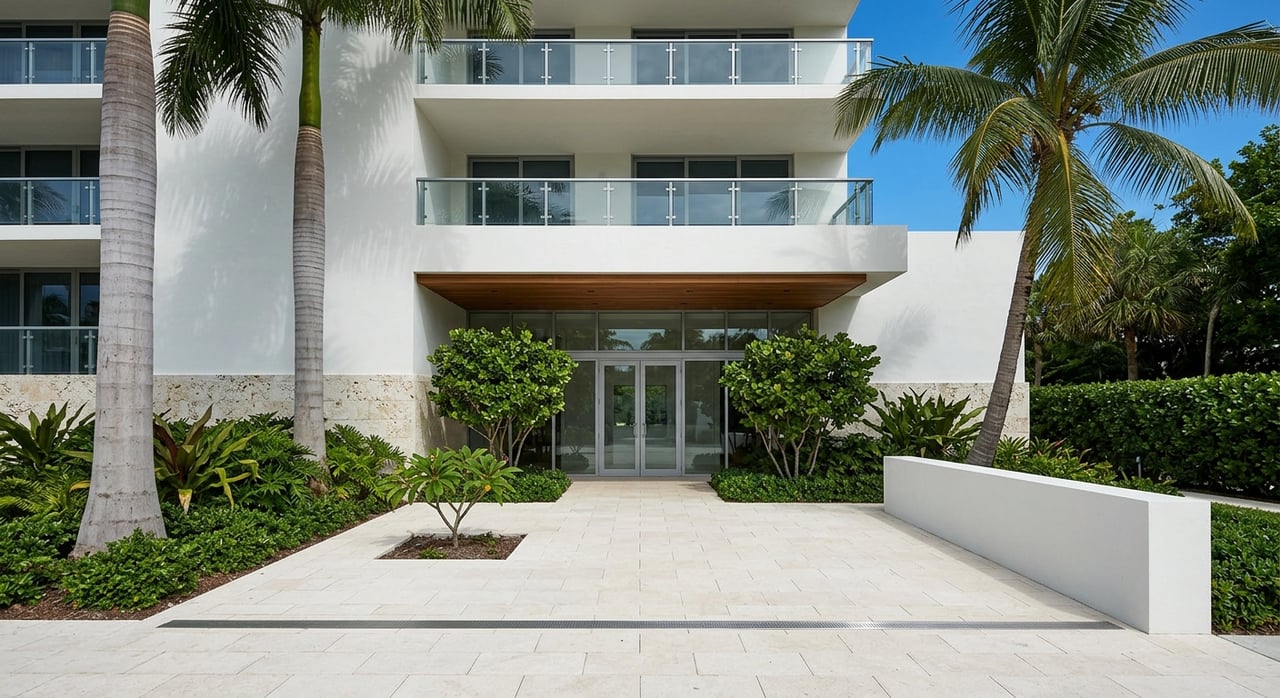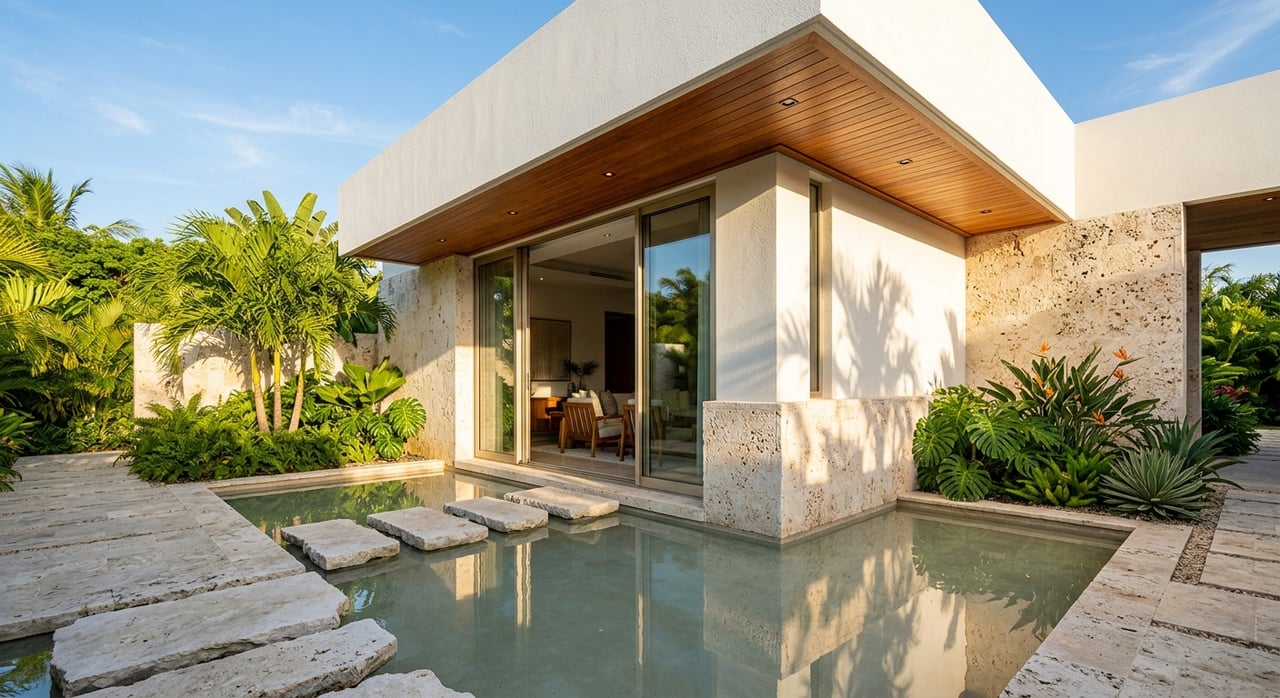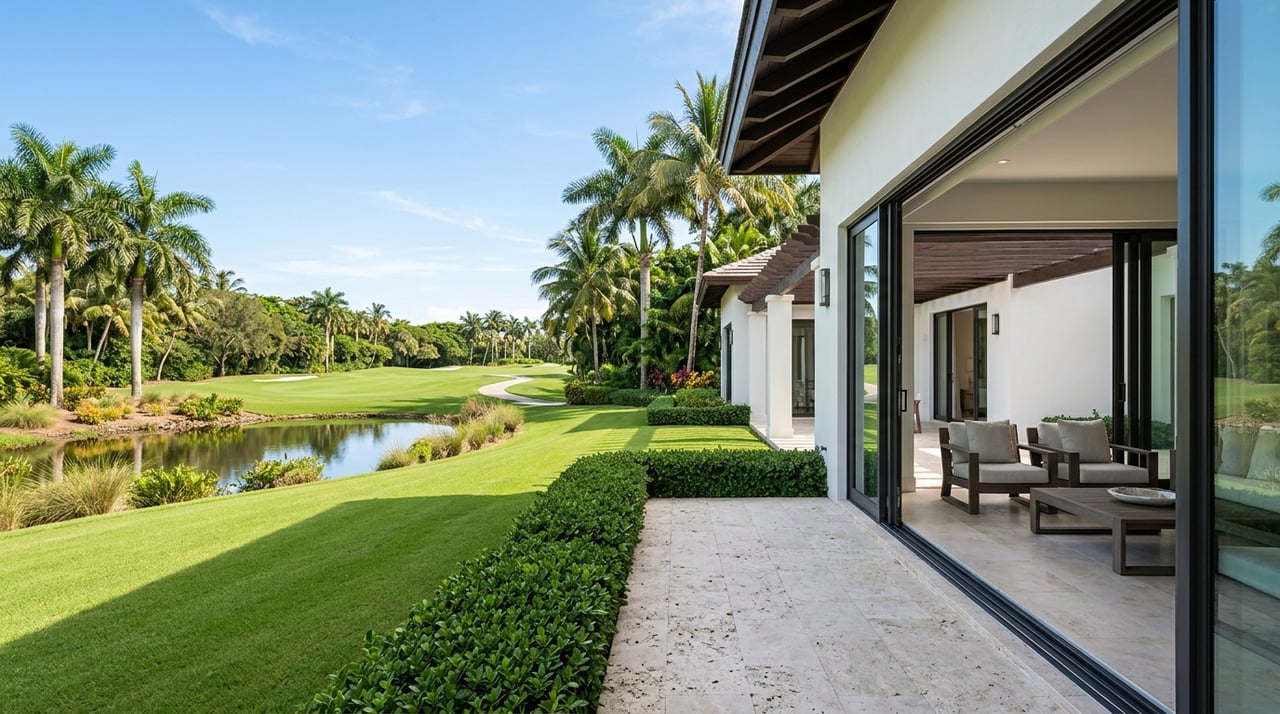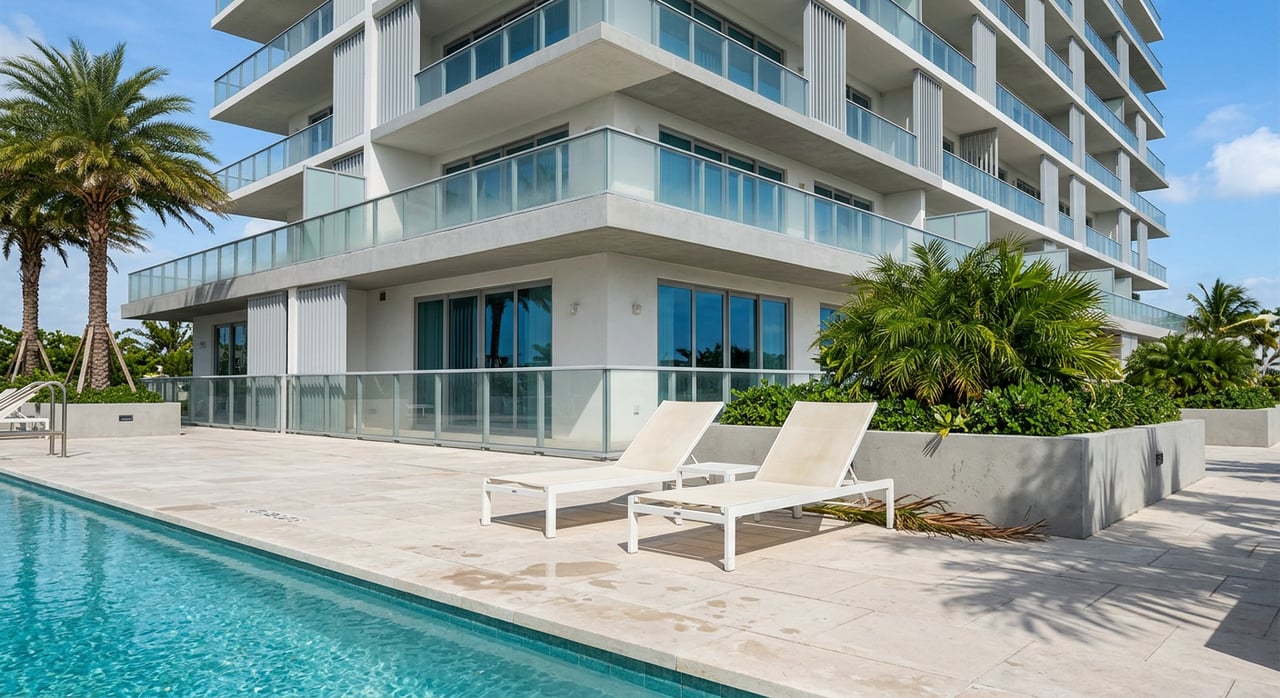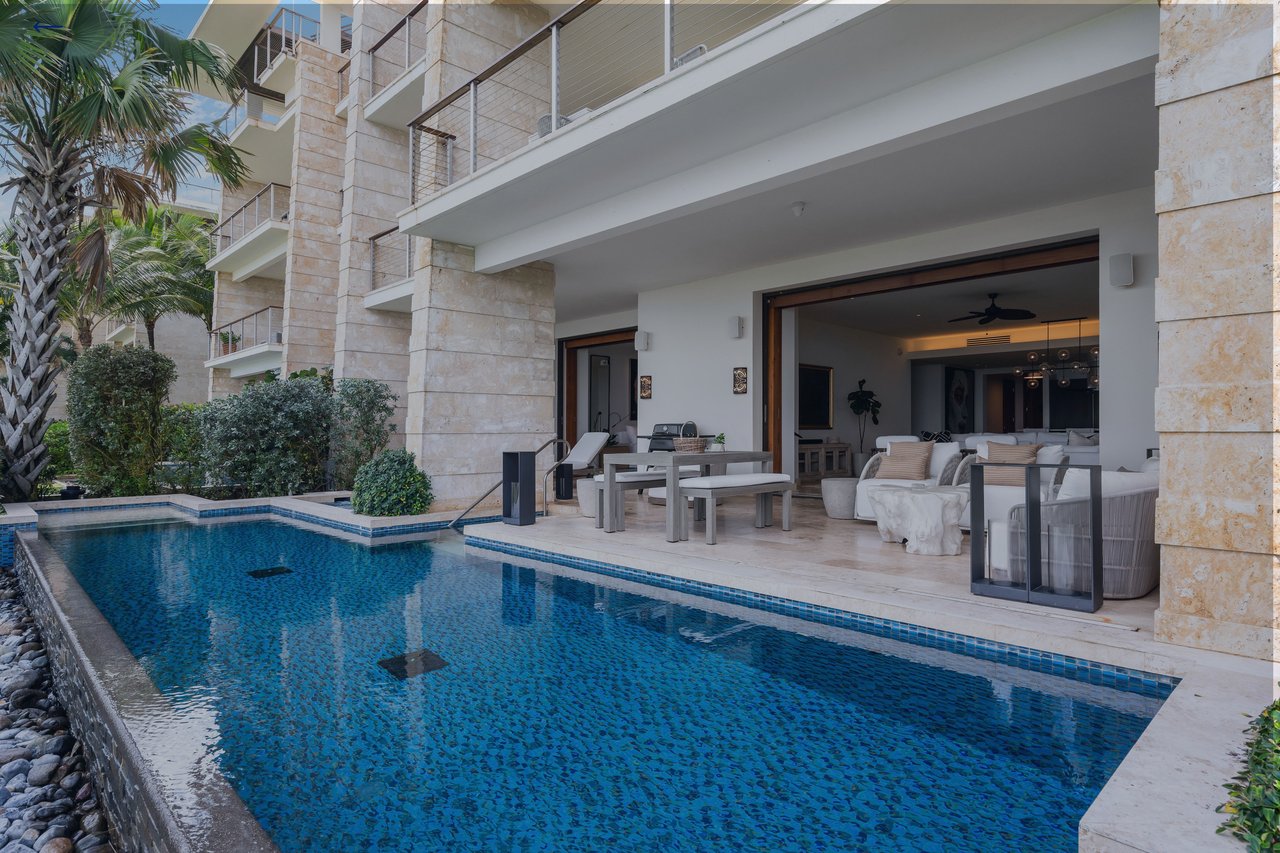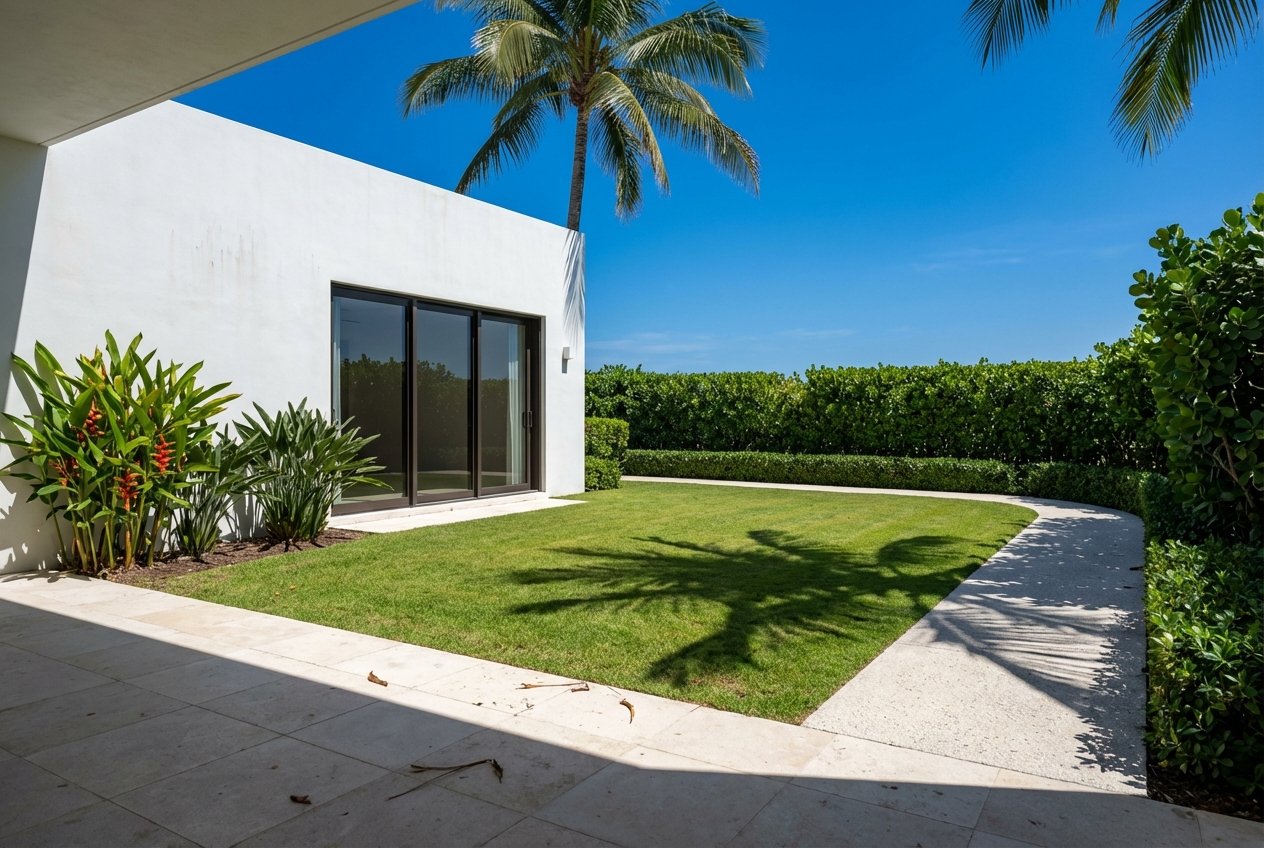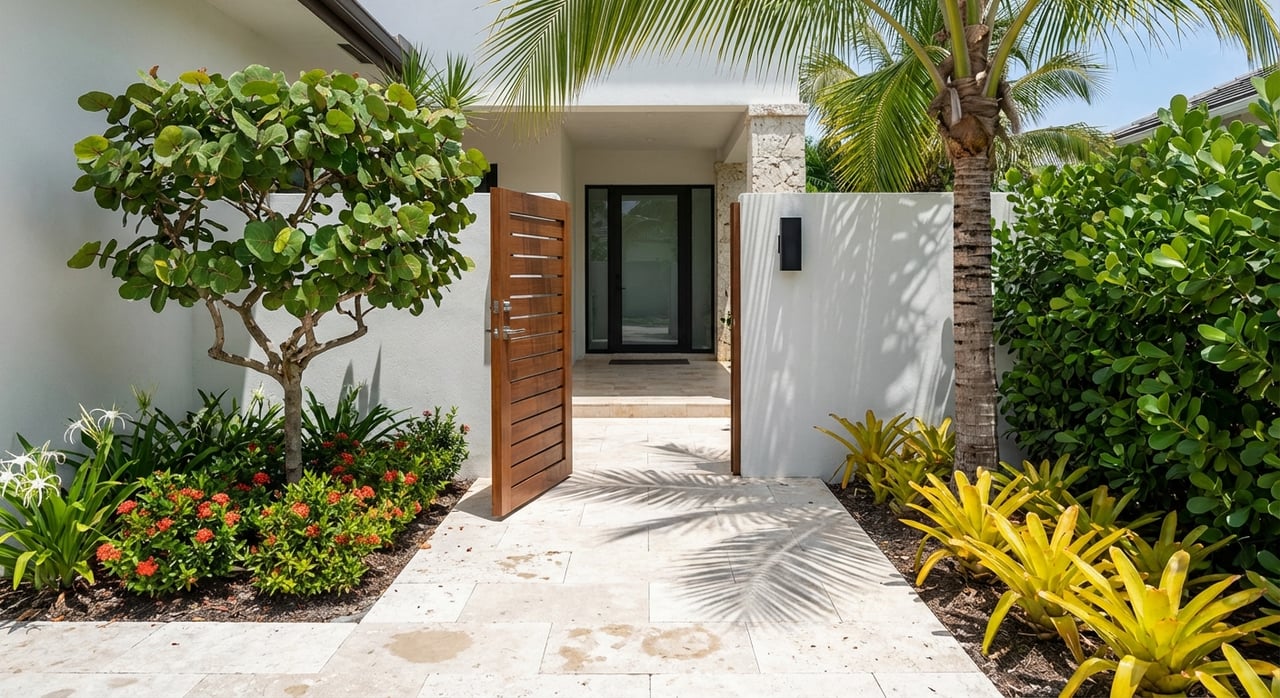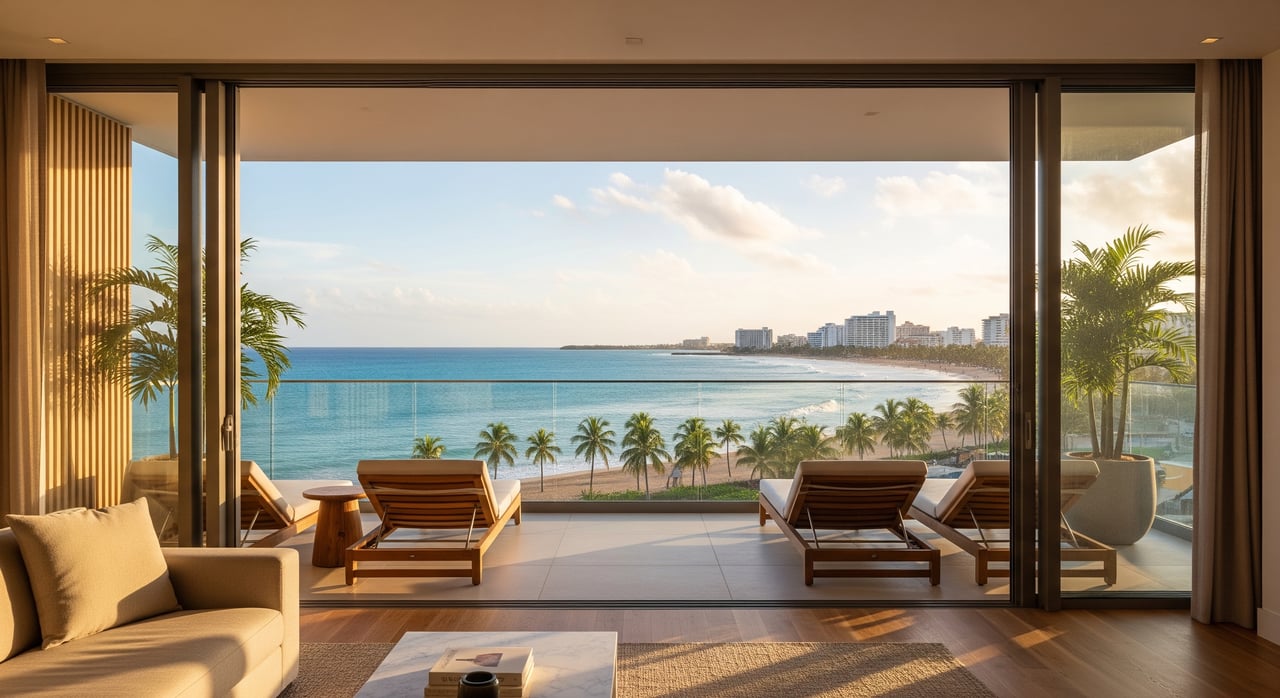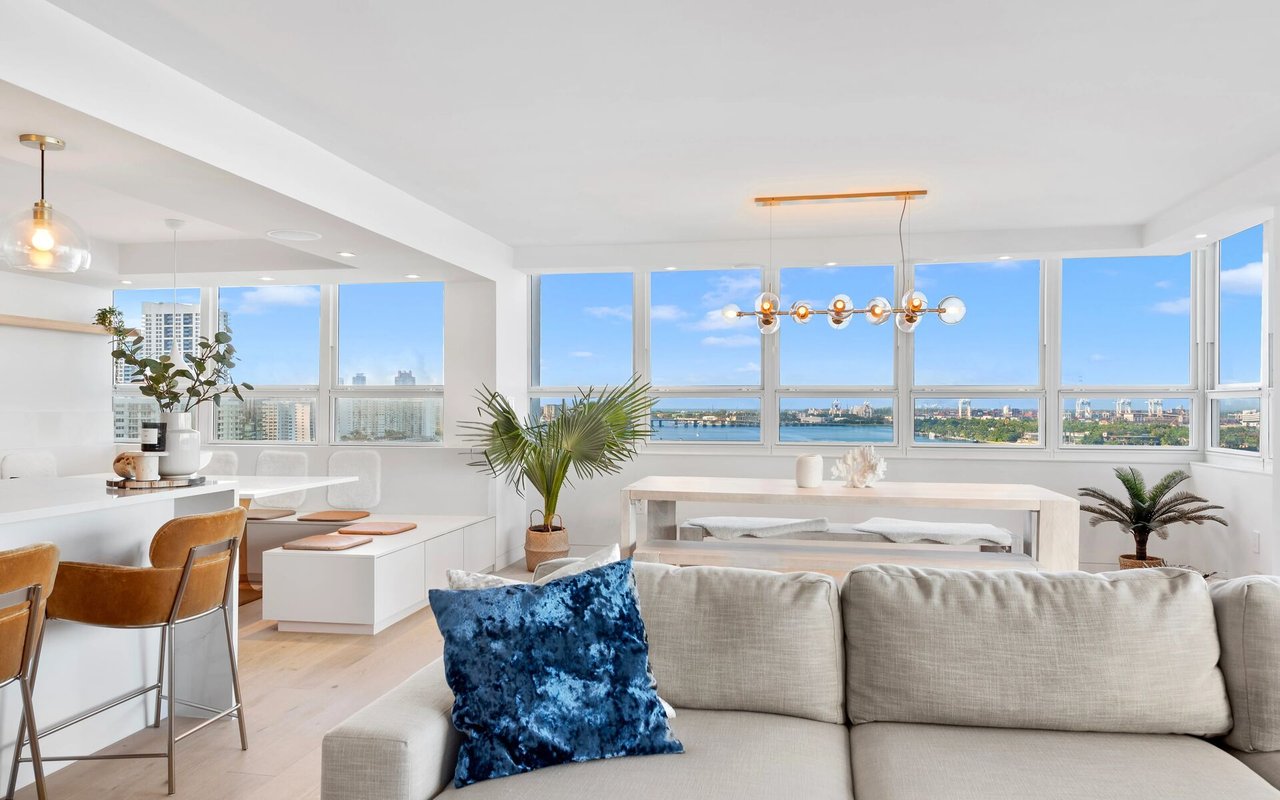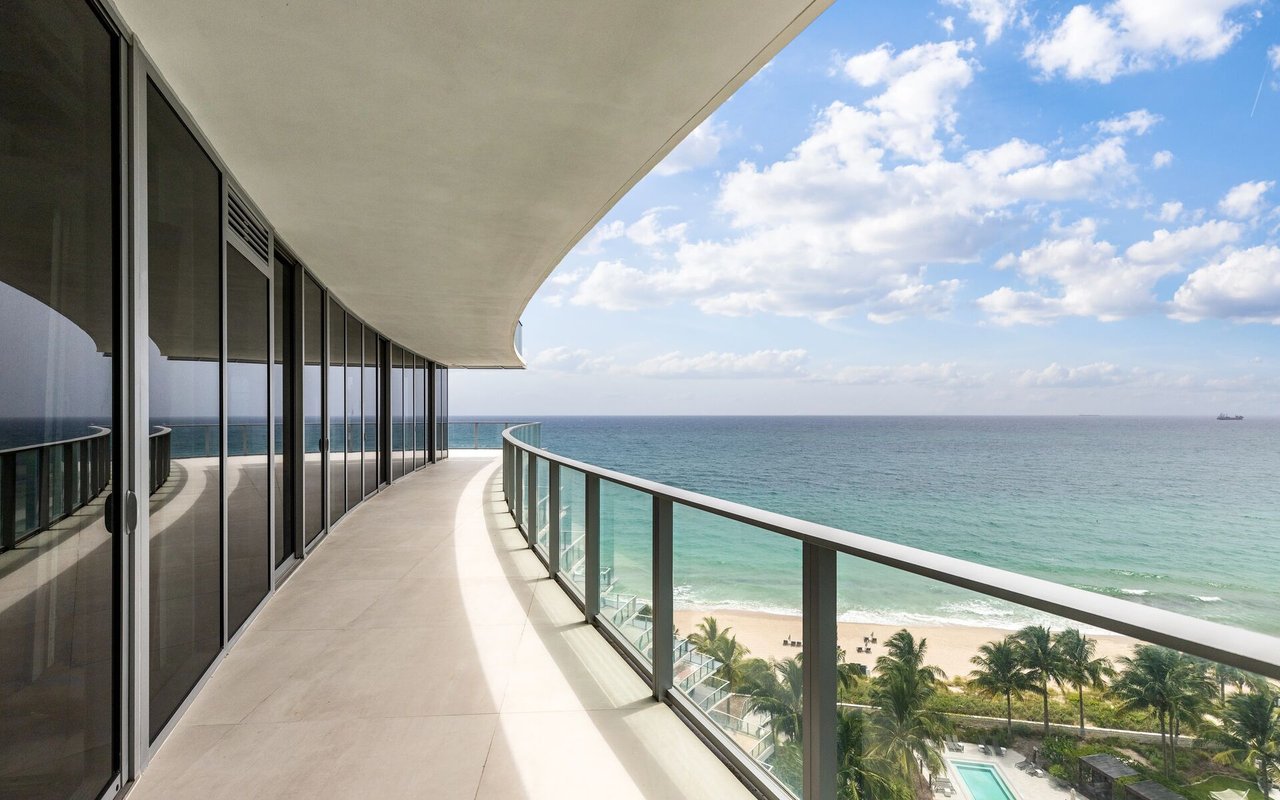
Two residences can sit within the same resort, offer a similar number of bedrooms, and appear comparable on paper—yet sell at very different prices. That is one of the defining characteristics of resort real estate in Puerto Rico and one of the reasons online comparisons can be misleading.
The name of the resort matters, of course, but it does not tell the whole story. Location within the community, proximity to the water, privacy, orientation, design, condition, access to amenities, and the cost of ownership all shape the way buyers perceive a property. Ultimately, that perception affects value.
I spent more than a decade working at Dorado Beach as Sales Manager, directly involved in both new-development sales and residential resales. That experience taught me something I still rely on today: in a resort community, the details that are hardest to see in an online search are often the details that explain the price.
A Resort Is Not One Single Market
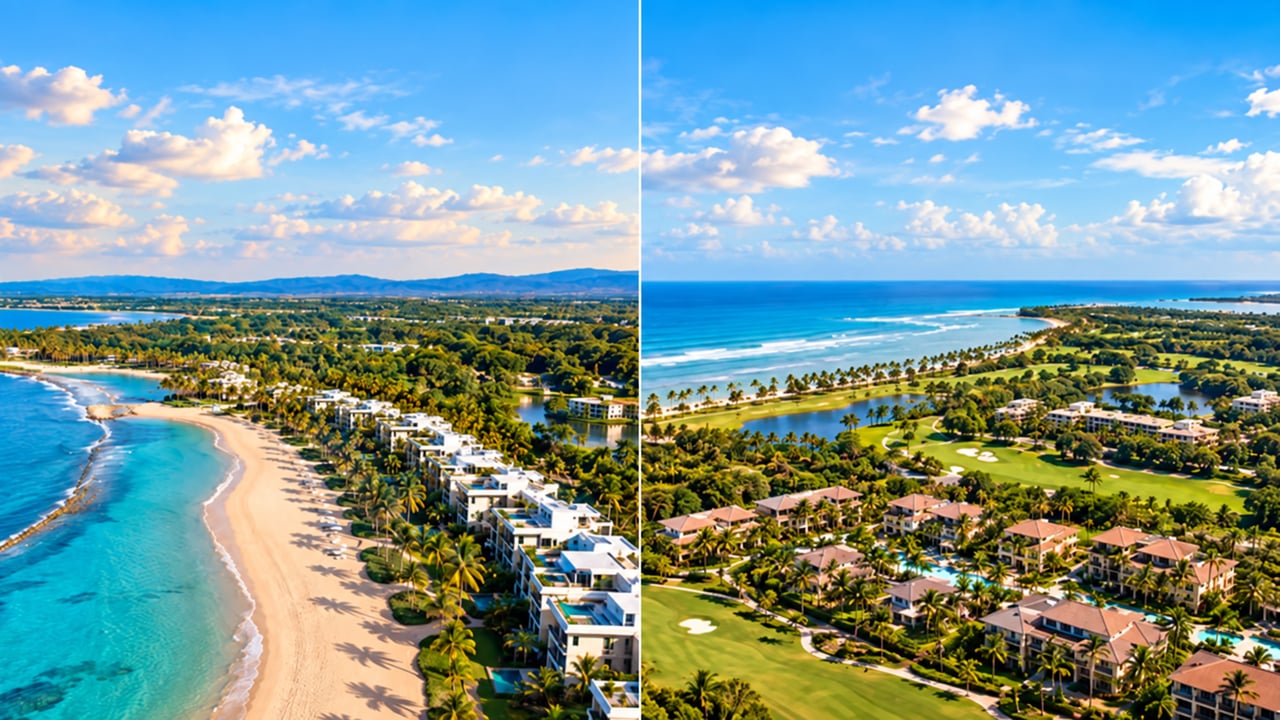
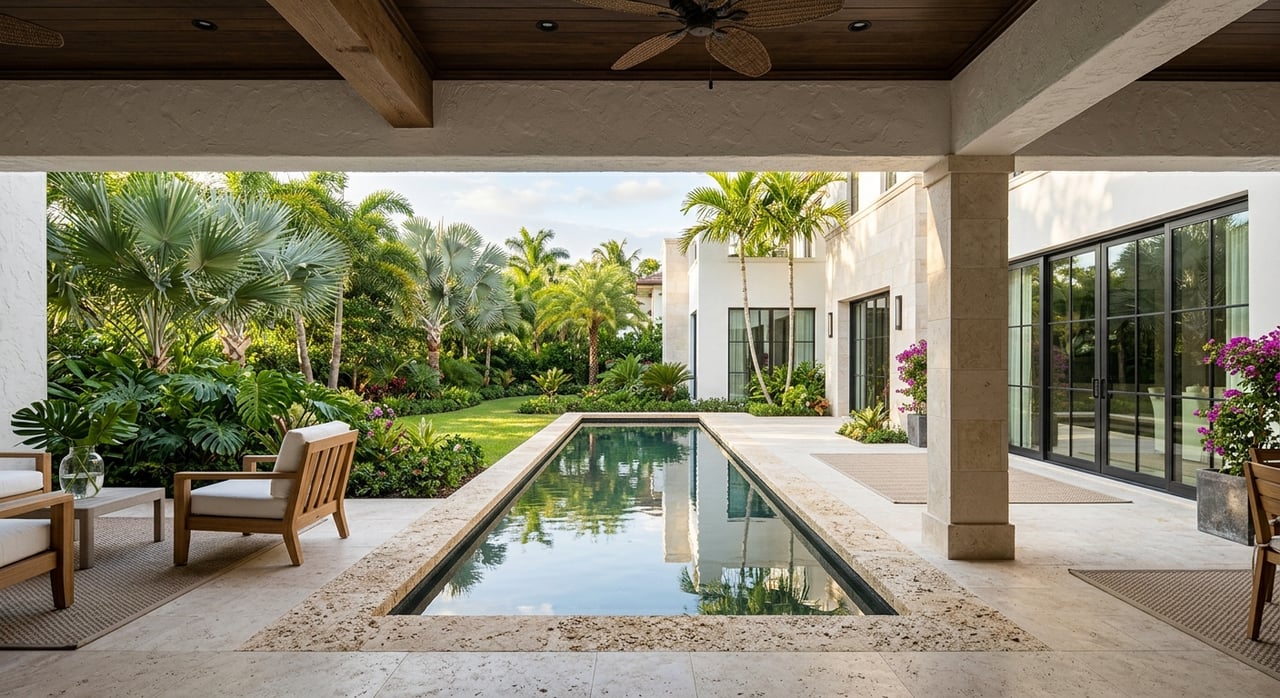
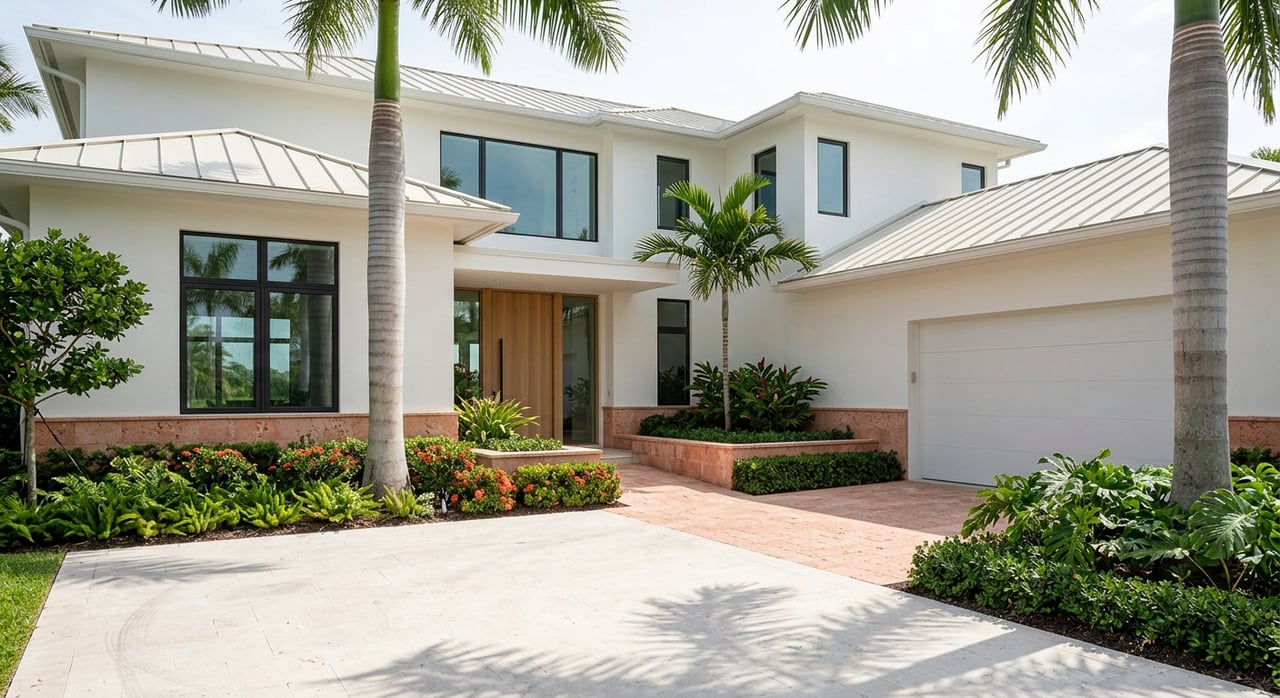
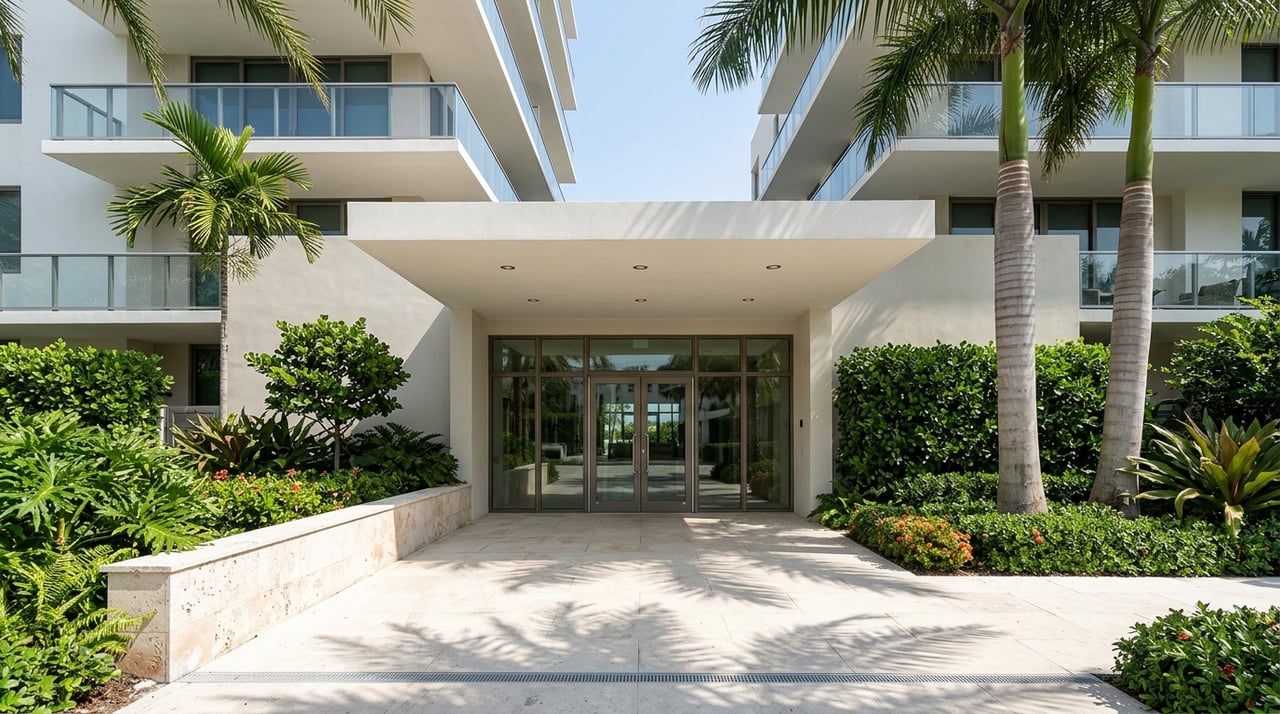
From the outside, it may seem reasonable to group every property within a resort and calculate an average. In practice, each residential enclave behaves like its own small market. An oceanfront residence, a golf-view home, a lakefront property, and an interior villa may appeal to different buyers, even when they share the same resort entrance and many of the same amenities.
This is especially important in communities such as Dorado Beach Resort, where the residential offerings differ in setting, design, age, density, and overall experience. A sale in another area of the resort may provide context, but it is not automatically the most relevant comparable.
Micro-Location Can Change the Entire Experience
In traditional real estate, we talk about location. Within a resort, the analysis must go one step further and consider micro-location: the exact position of a residence within its enclave.
The true walking or golf-cart distance to the beach, the amount of traffic in front of the home, the privacy of the outdoor areas, the direction of the sun, prevailing breezes, and proximity to recreation or resort access points can all affect daily life. Two homes with a similar floor plan can feel entirely different when one sits in a quiet, protected setting and the other is exposed to more movement.
For a second-home buyer, ease of arrival and the ability to begin enjoying the property immediately may matter as much as additional interior square footage. For a family planning to live there full-time, convenient access to parks, sports facilities, and community entrances may carry even more weight.
The View Matters, but the Label Is Not Enough
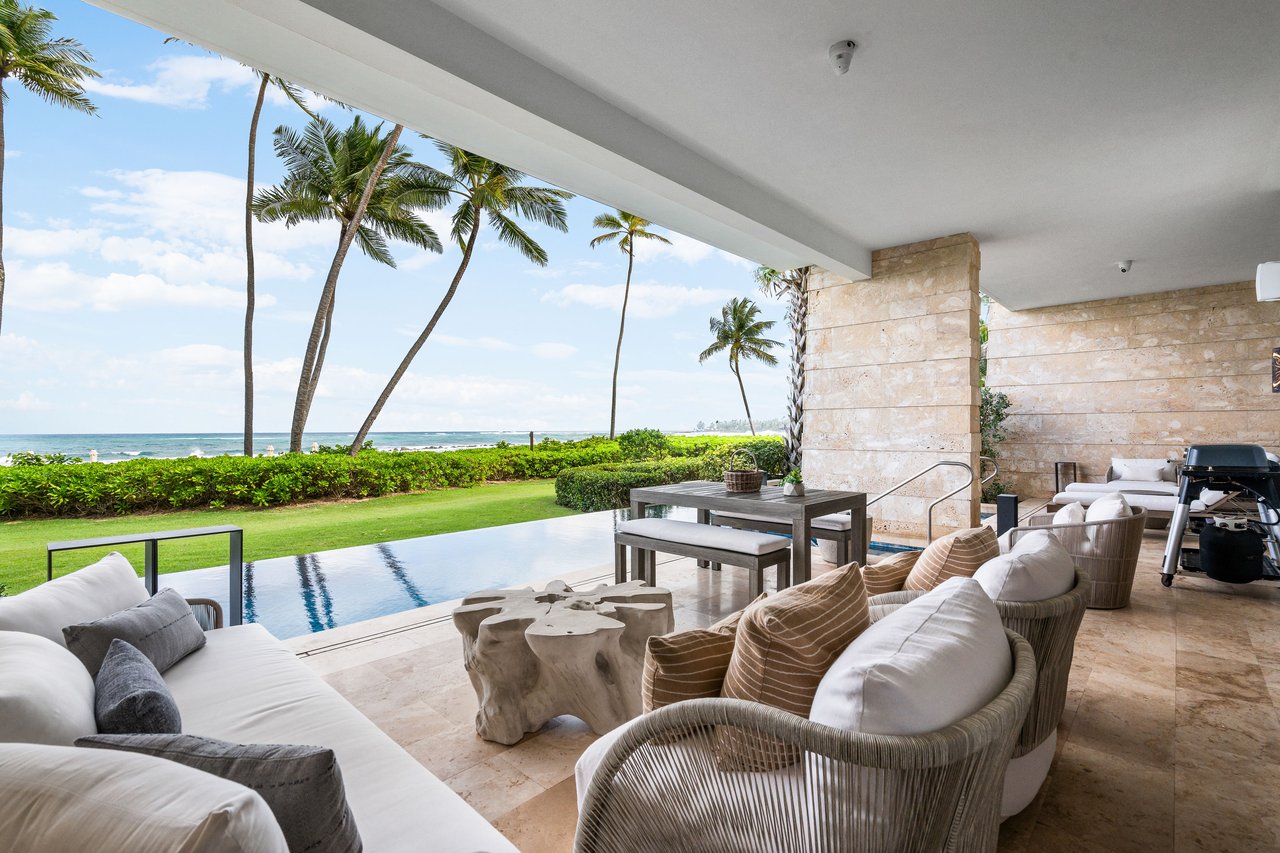
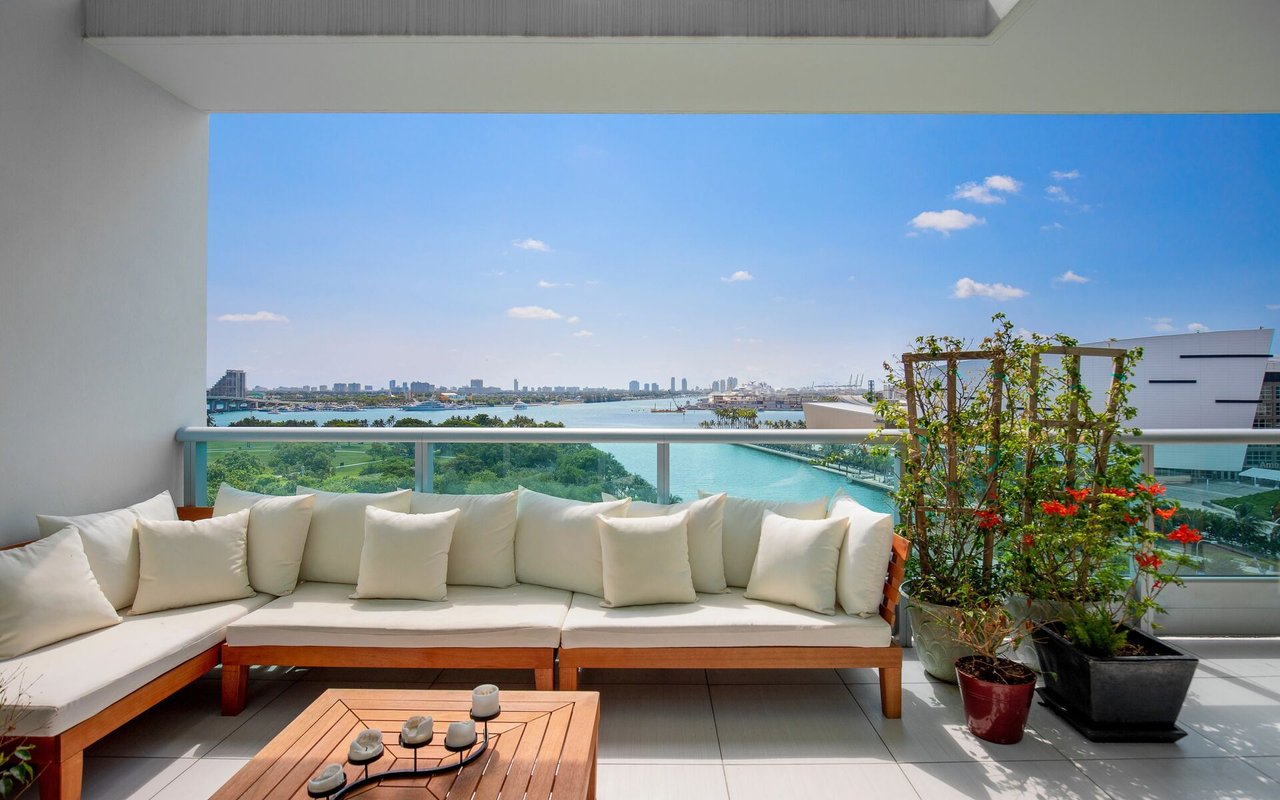
Oceanfront, ocean view, golf view, and lakefront are not interchangeable descriptions. A view may be wide or partial, visible from the main living areas or only from one terrace, private or exposed to people passing nearby.
A photograph also cannot answer every question. Can the terrace be comfortably used throughout the day? Is the view protected, or could vegetation or future development alter it? Does the orientation capture natural light without creating excessive heat? The quality, permanence, and livability of a view matter as much as the label used in the listing.
Design and Condition Carry More Weight Than Many Buyers Expect
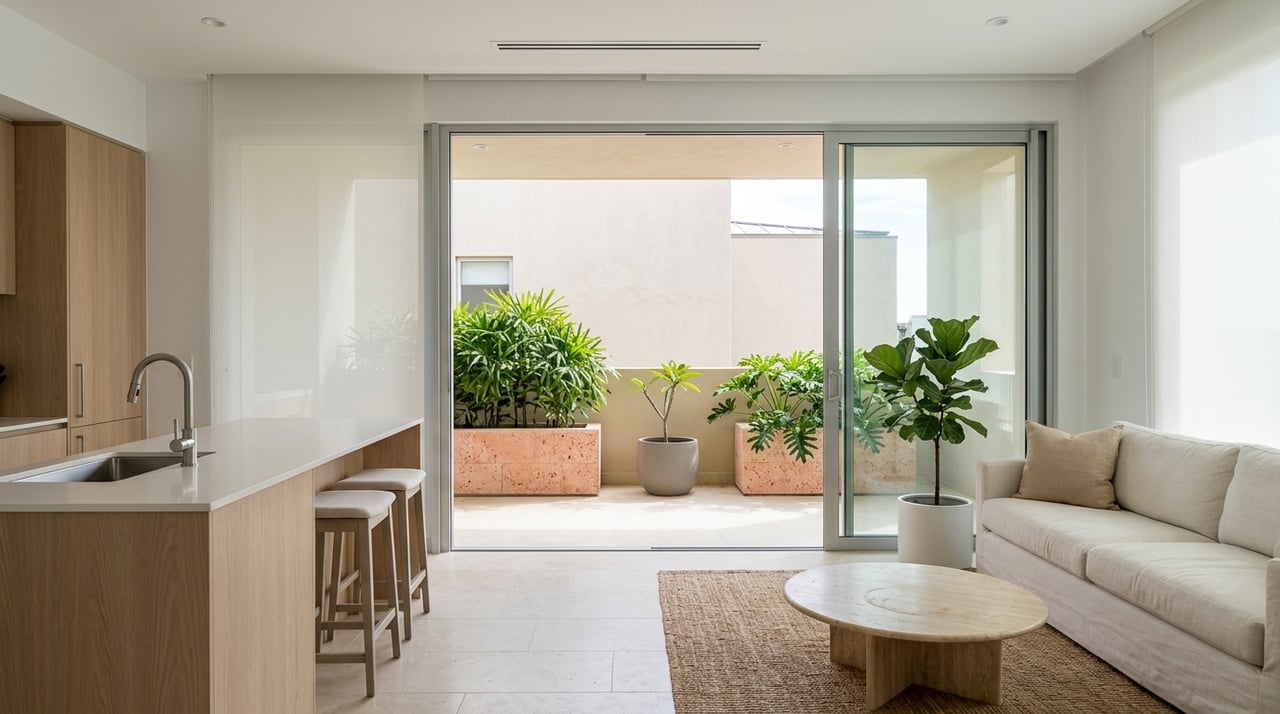
In luxury real estate, size alone does not define quality. The flow of the floor plan, the proportion of the living spaces, ceiling height, natural light, bedroom privacy, and the connection between indoor and outdoor areas influence how buyers experience a home.
Condition can create an equally meaningful difference. A well-maintained, thoughtfully updated residence reduces uncertainty and allows a buyer to enjoy it sooner. A property that requires renovation may still be a strong opportunity, but the buyer will weigh the time, logistics, and cost required to complete the work.
In a resort setting, where many buyers value a seamless transition, convenience has real market value.
New Development and Resale Require Different Comparisons
New construction often appeals to buyers because of current design, modern specifications, and the opportunity to be the first owner. A resale, however, may offer something that can no longer be recreated: a superior site, mature landscaping, meaningful owner improvements, or the certainty of seeing the finished residence before making a decision.
Neither category is automatically better. A responsible comparison should account for delivery timing, finish level, appliances and furnishings included, upgrades, condition, location, and any remaining cost to complete or personalize the property.
Having worked with both new residences and resales at Dorado Beach, I know that the difference cannot be reduced to “new” versus “previously owned.”
Amenities, Memberships, and Services Must Be Verified
Much of a resort community’s appeal exists beyond the front door: security, beach access, golf, sports facilities, restaurants, walking trails, recreation, and services that make daily life easier.
Buyers should not assume, however, that every residence carries the same access rights or that every membership transfers in the same way.
Before assigning value to a particular amenity, it is important to confirm what is included with the property, what requires a separate membership, which fees apply, and whether an application or approval process is involved. These terms can change, so they should be verified through the current governing documents and the appropriate resort or club representatives.
The Cost of Maintaining the Resort Experience
A buyer is evaluating more than the purchase price. Association fees, insurance, property taxes, club memberships, landscaping, pool care, preventive maintenance, and other residence-specific expenses all affect the ownership decision.
In Puerto Rico, buyers also pay close attention to practical systems such as generators, water cisterns, storm protection, drainage, elevation, and maintenance history. These features do not automatically make one home the most valuable, but they can reduce uncertainty and strengthen its position against otherwise similar alternatives.
Available Inventory and Comparable Sales Need Context
Resort communities often have limited inventory, and some enclaves may go months without a truly comparable sale. A high-profile transaction can attract attention, but one sale does not necessarily establish the value of every nearby property.
To interpret a transaction correctly, you need to understand the context: the property’s condition, market exposure, furnishings, improvements, exact location, seller motivation, and deal terms. The published price rarely tells that entire story.
The most useful analysis focuses on the sales that genuinely compete with the property being evaluated and makes reasoned adjustments for the differences.
Price per Square Foot Is a Reference, Not the Answer
Price per square foot can help identify patterns and provide an initial benchmark. Problems begin when it is used as though every property were interchangeable.
One residence may have less interior space but occupy an irreplaceable oceanfront position. Another may offer more square footage but require a substantial renovation.
It is also essential to confirm what area is included in the calculation—interior living space, total construction, terraces, garages, or another measurement. If the underlying measurements are inconsistent, the comparison will be as well.
In Puerto Rico resort real estate, price per square foot should support the analysis, not replace it.
What Sellers Should Consider Before Going to Market
A seller needs more than the latest sale inside the resort. The more important questions are:
Which properties would compete with this residence today? What makes it difficult to replace? Which improvements will matter to the likely buyer, and which ones may not return their cost?
An aspirational price without a clear positioning strategy can lead to unnecessary time on the market. A price that fails to recognize a special site, view, or improvement can also leave value behind.
The right starting point is an in-person review and a market analysis built around the specific property—not an automated estimate.
What Buyers Should Evaluate
For buyers, the question is not simply whether the asking price appears reasonable. The better question is whether the residence offers the right combination of location, condition, privacy, access, ownership costs, and ease of use for the life they intend to lead.
Experienced representation helps a buyer compare properties that are not identical, identify the questions that should be resolved before an offer, and recognize when a price premium reflects an advantage that may be difficult—or impossible—to reproduce.
In a market with limited inventory, that perspective can be more valuable than waiting for a “perfect” property based only on numbers.
Frequently Asked Questions
Is an oceanfront property always worth more?
Oceanfront location usually has a significant influence on value, but it is not the only factor. Privacy, exposure, condition, design, outdoor areas, and ongoing maintenance costs also shape the market response.
Can value be estimated using price per square foot alone?
Not responsibly. It can be a useful starting point when the measurements are consistent, but it must be adjusted for micro-location, view, condition, property type, and truly relevant comparable sales.
Does a resort or club membership transfer with the property?
It depends on the resort, residential community, membership type, and current rules. Buyers should confirm in writing which rights accompany the purchase and which require a separate application, approval, or fee.
When should an owner request a property valuation?
Ideally, before setting an asking price or investing in major improvements. The analysis is most useful after the residence has been personally reviewed and compared with the inventory and sales most relevant to that specific property.
A Property Valuation Should Tell the Complete Story
The value of a home within a resort comes from a combination of the residence itself, its exact position within the community, the experience it offers, and the market conditions at that moment. No single factor works in isolation.
If you are considering buying or selling in Dorado Beach Resort or another resort community in Puerto Rico, a confidential conversation can help you understand how a specific property is positioned.
At INCANTO Real Estate & Relocation, we combine current market knowledge with direct experience in new-development sales and residential resales to provide guidance tailored to your objectives.
Considering Buying or Selling in a Puerto Rico Resort Community?
Let’s discuss the property, the market, and the next step that makes sense for you. Contact us!